
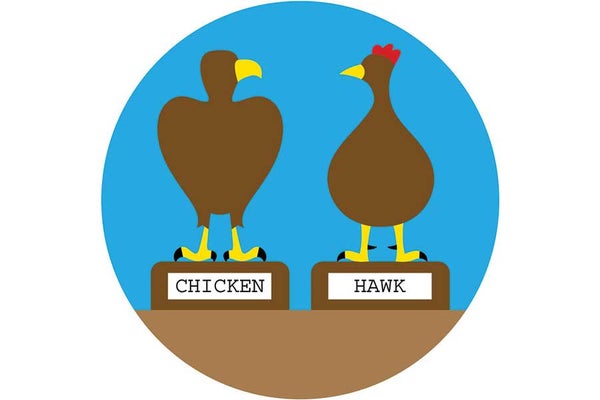
A certain French rose by any other name may smell as sweet, but fragrance aside, its scientific name is Rosa gallica—and that's the name it should bear in botanical collections. Yet more than half of plant specimens tucked away in herbaria may be mislabeled, and the problem could extend to other types of collections, too, according to a study published in Current Biology.
To examine how pervasive mislabeling can be, researchers at the University of Oxford and the Royal Botanic Garden Edinburgh analyzed the tags on 4,500 specimens of African ginger and more than 49,000 specimens of morning glories as case studies. “We found at least half of the names associated with those specimens were synonyms or illegitimate names,” says botanist Robert Scotland.
The errant nomenclature most likely arises when biologists and collections managers classify samples of a species without conferring with colleagues at other institutions. In other cases, a sample may be designated by its genus alone if its species name initially is unspecified or undetermined—a simplification that Scotland's team counted as incorrect. And although the researchers think the problem is more prevalent in collections of plants than in those of vertebrate animals, they suspect that misplaced monikers run rampant through insect stockpiles as well.
On supporting science journalism
If you're enjoying this article, consider supporting our award-winning journalism by subscribing. By purchasing a subscription you are helping to ensure the future of impactful stories about the discoveries and ideas shaping our world today.
Some experts, including Barbara Thiers, director of New York Botanical Garden's William & Lynda Steere Herbarium, think the one-half estimate for plants is an exaggeration. But both Thiers and Scotland agree that insufficient financial support for collections management makes consistently accurate categorization of thousands on thousands of specimens a daunting task. Group efforts, such as the online databases The Plant List, FishNet and ZooBank, could help tackle the situation.
Why all the fuss? Wrong names can interfere with research on a particular organism and hinder conservation efforts. “If we don't know the right names to use for plants or animals,” Thiers says, “there's no way we'll be able to save them.”
