
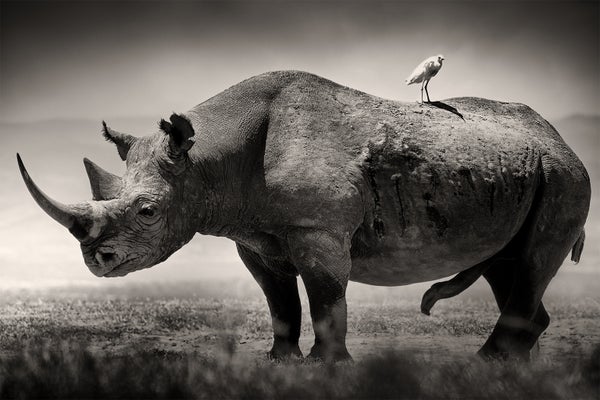
Considering the threats to the wildlife that roams vast swaths of Africa, it’s almost surprising that any of the creatures are still alive today.
Poachers collecting coveted body parts and farmers targeting animals that disrupt their livelihood pick off lions, elephants, giraffes and cheetahs one by one. The spread of agriculture chips away at grassy savannas, depriving animals of space and contact with others of their kind. Meanwhile climate change might dry up grasses and water the wildlife relies on, increasing the odds that desperate animals will venture closer to humans and put themselves at higher risk of attack.
Conservationists push back on these pressures through protected areas such as Amboseli National Park. Nestled in southern Kenya, this reserve is featured by photographer Joachim Schmeisser in his new book Last of Their Kind.
On supporting science journalism
If you're enjoying this article, consider supporting our award-winning journalism by subscribing. By purchasing a subscription you are helping to ensure the future of impactful stories about the discoveries and ideas shaping our world today.
“Some of the largest and most wonderful creatures in Africa have become very dear to me over the years,” Schmeisser writes. His book of portraits carries two messages. “It [is] a homage and warning at the same time—a visual message with the aim of sharpening our clouded view of the one, infinitely complex and vulnerable nature and to recognize which treasures we are about to irretrievably lose,” he writes.
Credit: Joachim Schmeisser
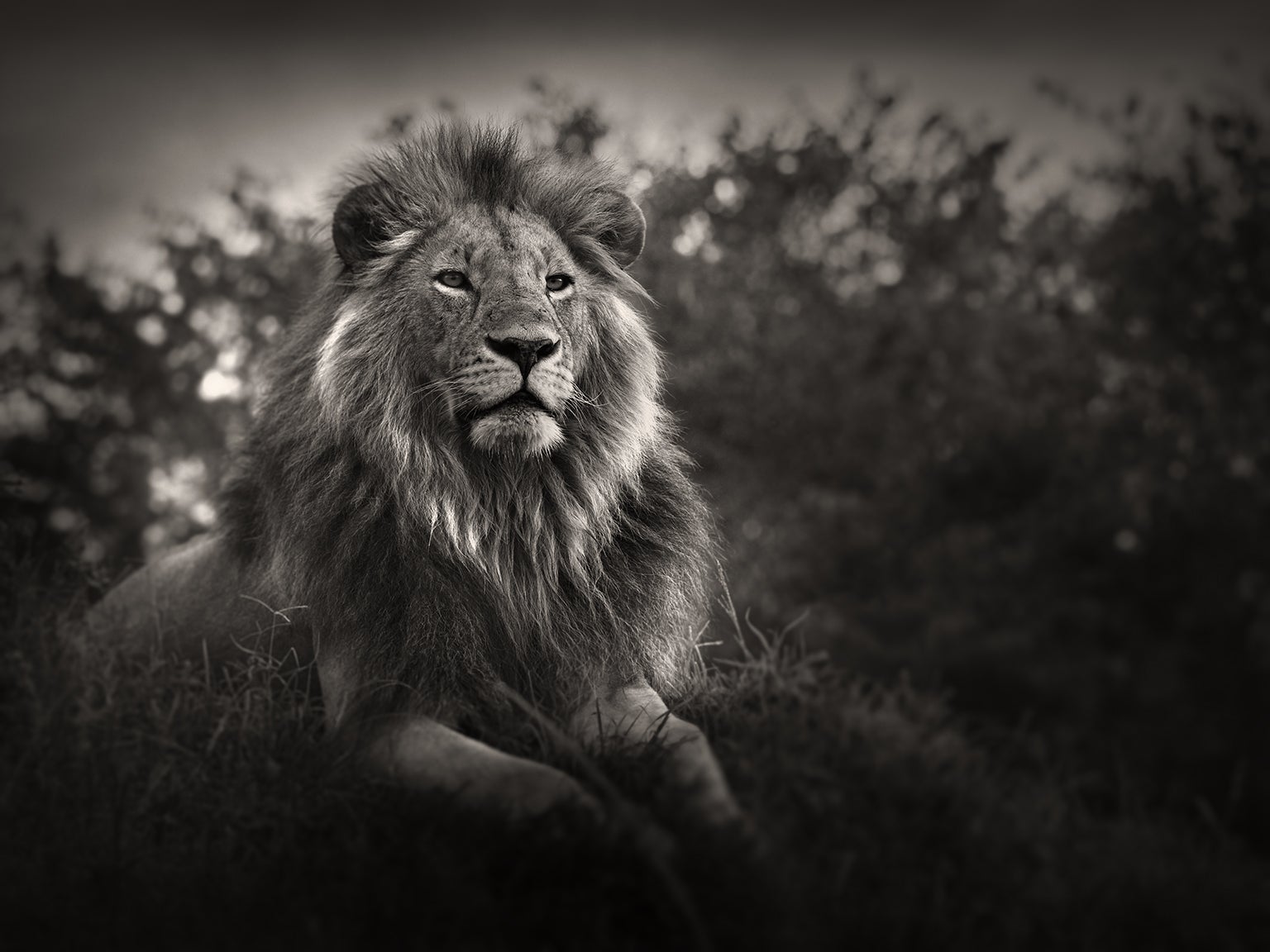
Male lion. As their native habitat fragments, national parks provide islands of protection for the big cats. Well, biologists thought the parks were islands: in 2020 researchers reported lions moving between groups in three separate national parks, showing that corridors with human settlements can peacefully host the predators.
Credit: Joachim Schmeisser
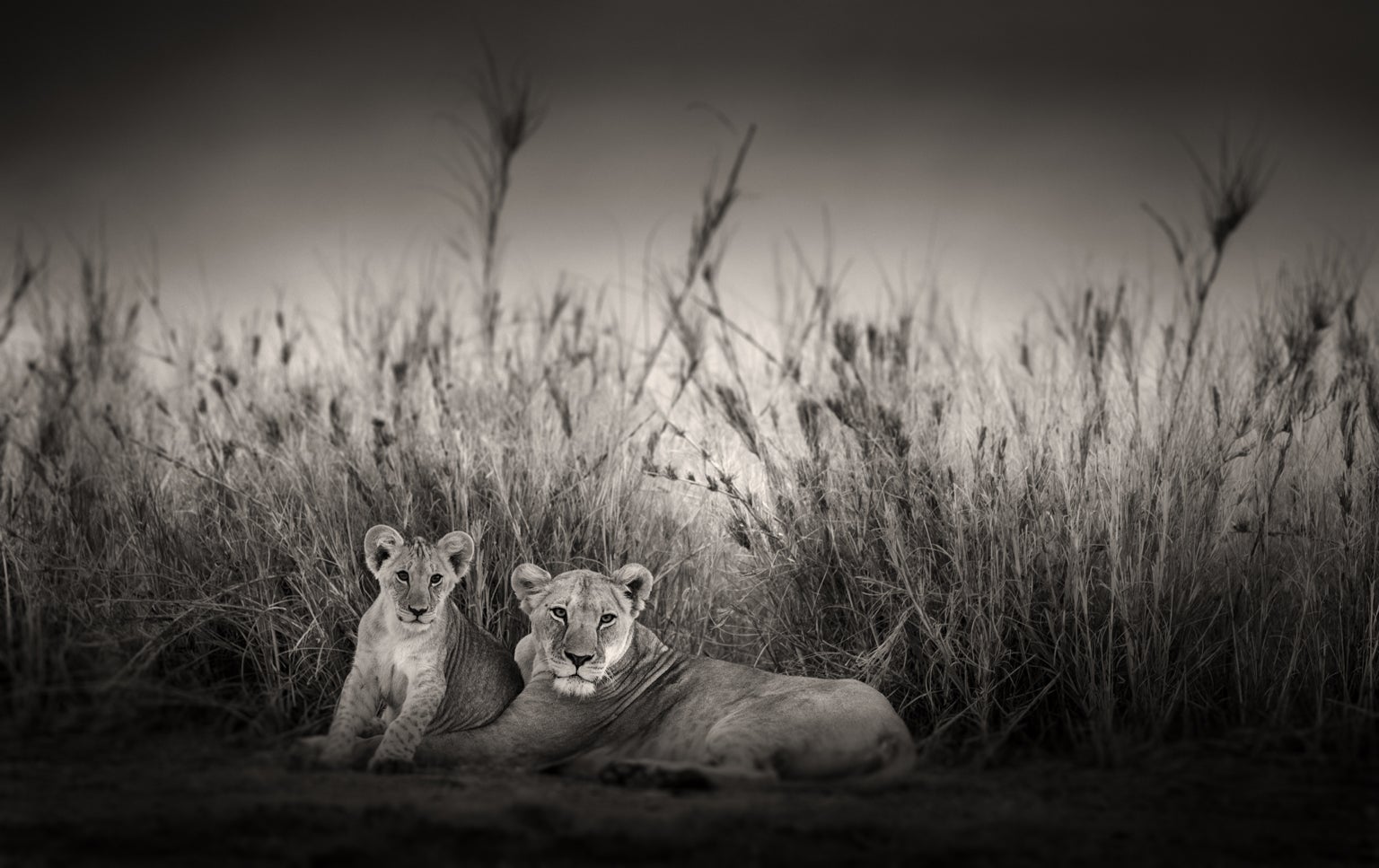
Lioness and her cub. To try and keep poaching rates low, and to avoid disturbing a mother and her young, researchers try to track lion den locations. But once pregnant, lionesses go into stealth mode and are particularly hard to find.
Credit: Joachim Schmeisser
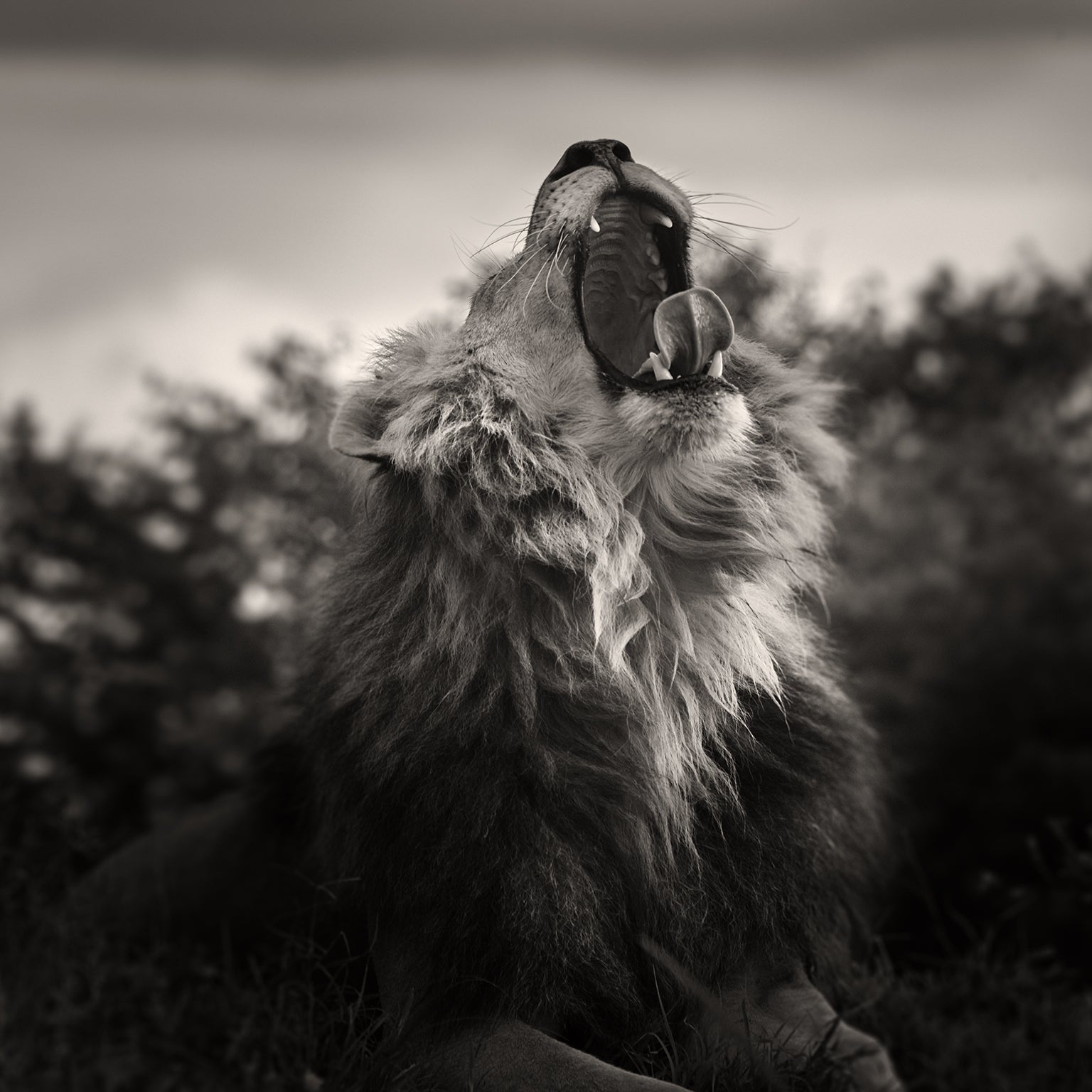
Yawning male lion. Just like among humans, lions’ yawns are contagious. The gaping mouth of one cat can trigger the same action in another, and followers might next mimic other behaviors of the first lion—making yawns a useful tool for prides to start acting in synchrony.
Credit: Joachim Schmeisser
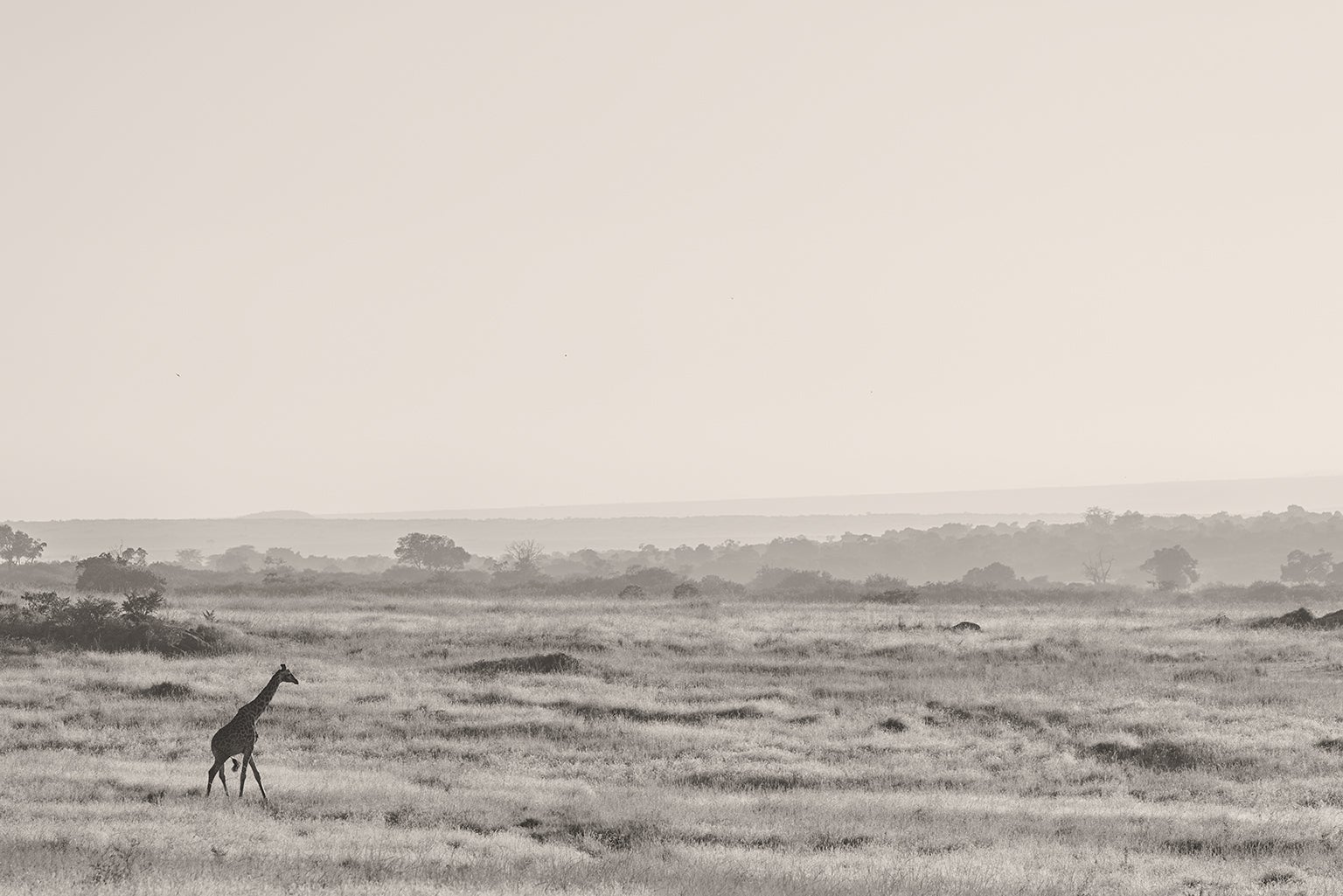
Lone giraffe. There are four species of the iconic long-necked mammals and several subspecies. But any way you label them, giraffes aren’t doing well. From 1985 to 2015, their wild numbers fell by up to about 40 percent.
Credit: Joachim Schmeisser
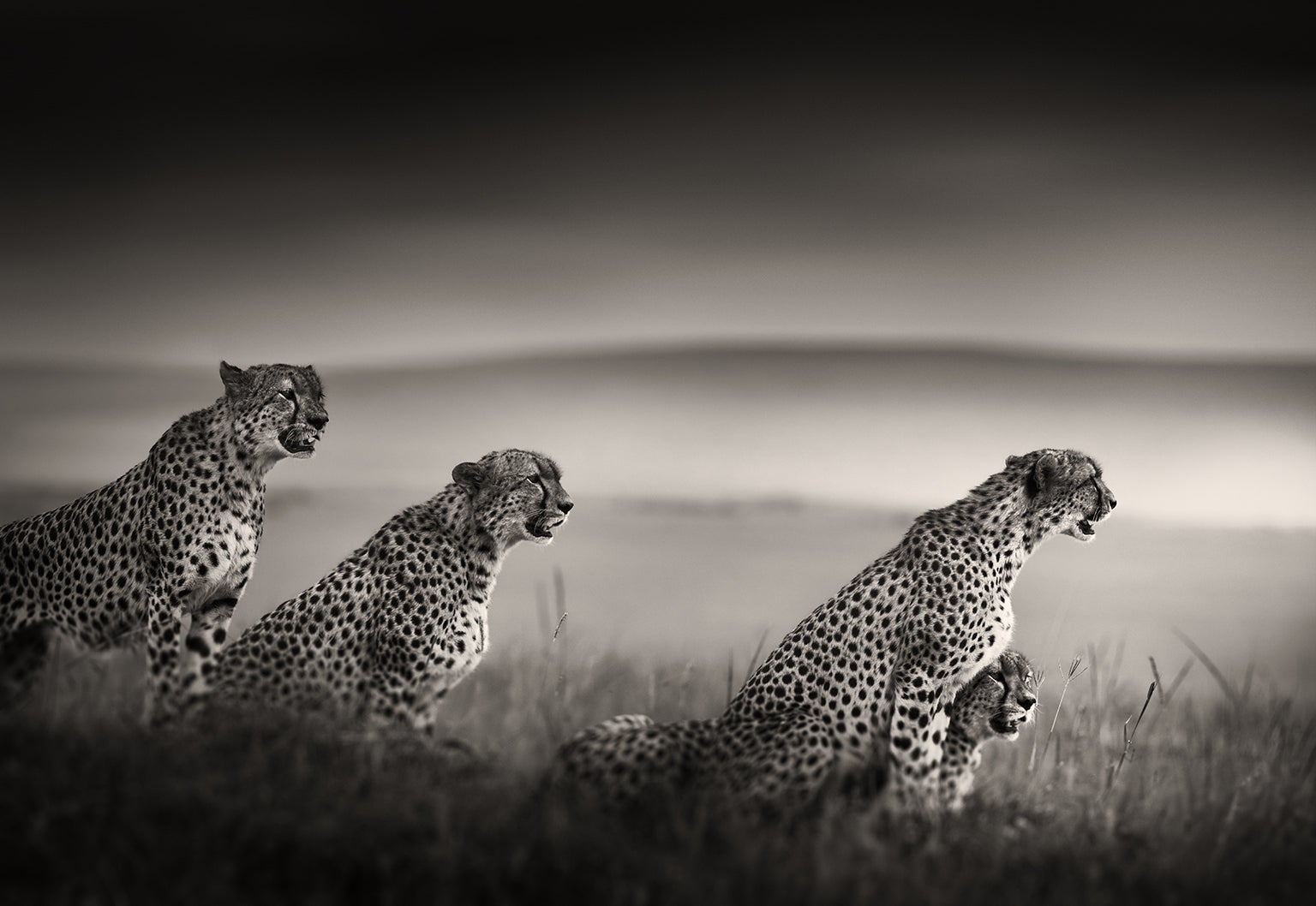
Four of the five male cheetahs that roam together. Male cheetahs live alone or in two- to three-member packs, so this large coalition—known as the Tano Bora, which translates to “the Magnificent Five” in the Maa language—defies expected behavior.
Credit: Joachim Schmeisser
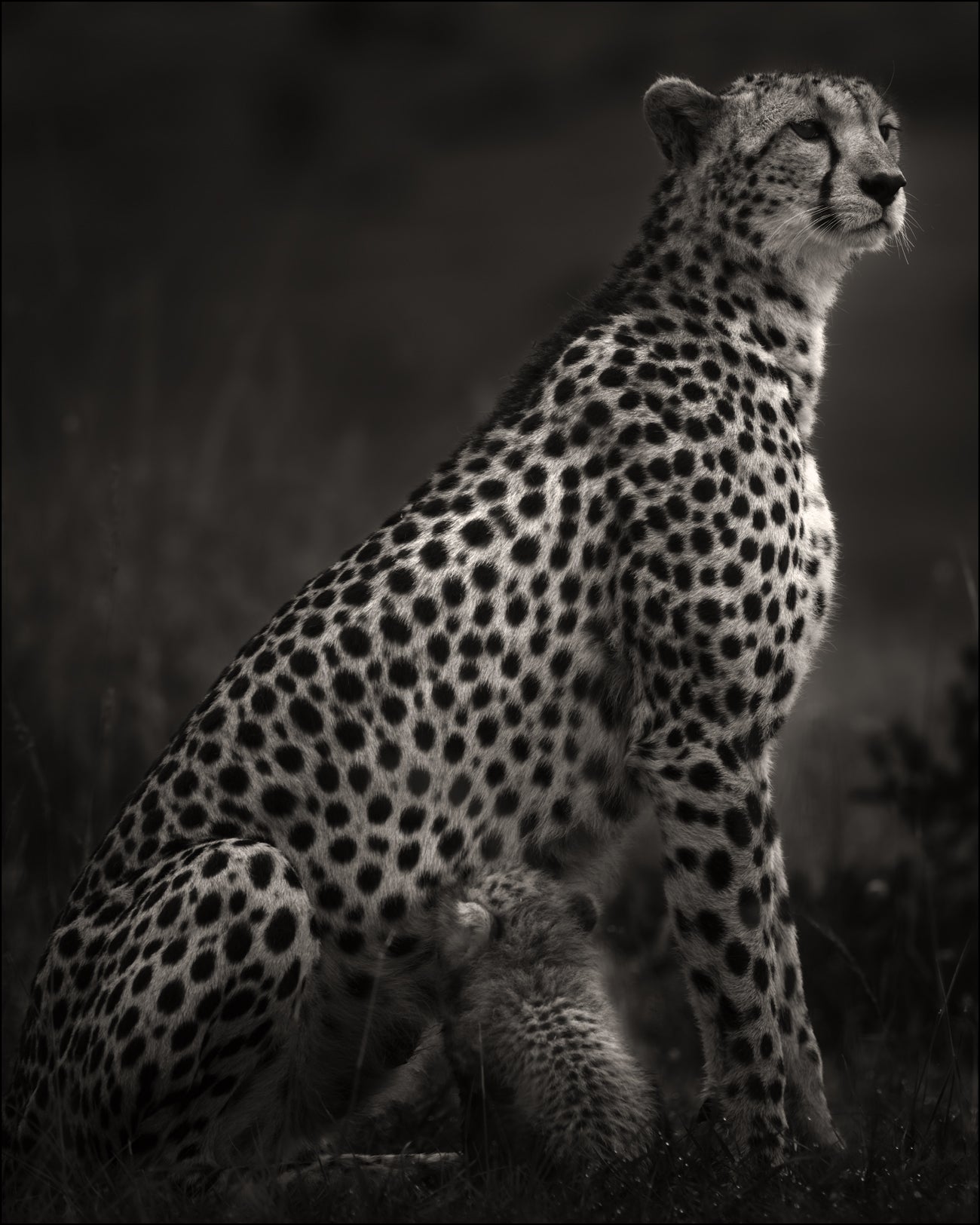
Cheetah cub having a meal with her mother Imani. In Maasai Mara National Reserve research indicates that mothers are more successful at raising cubs to independent adulthood when they live in denser habitats and spots that are less popular for tourism.
Credit: Joachim Schmeisser
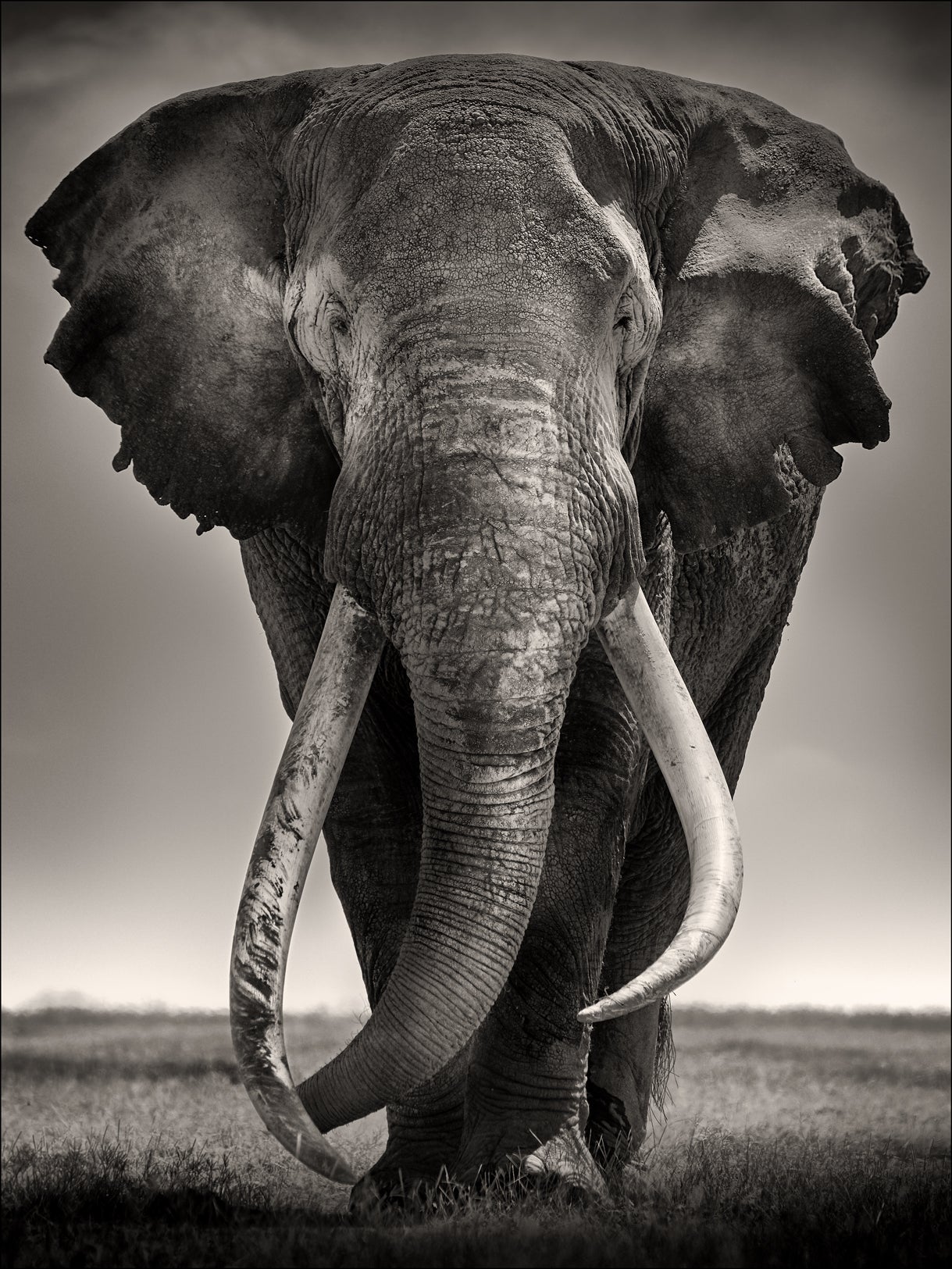
Tim the elephant. Schmeisser was only six feet away when he took this shot of the animal, who evaded poachers and entanglement long enough to have his tusks almost reach the ground. Tim died of natural causes in February 2020.
Credit: Joachim Schmeisser
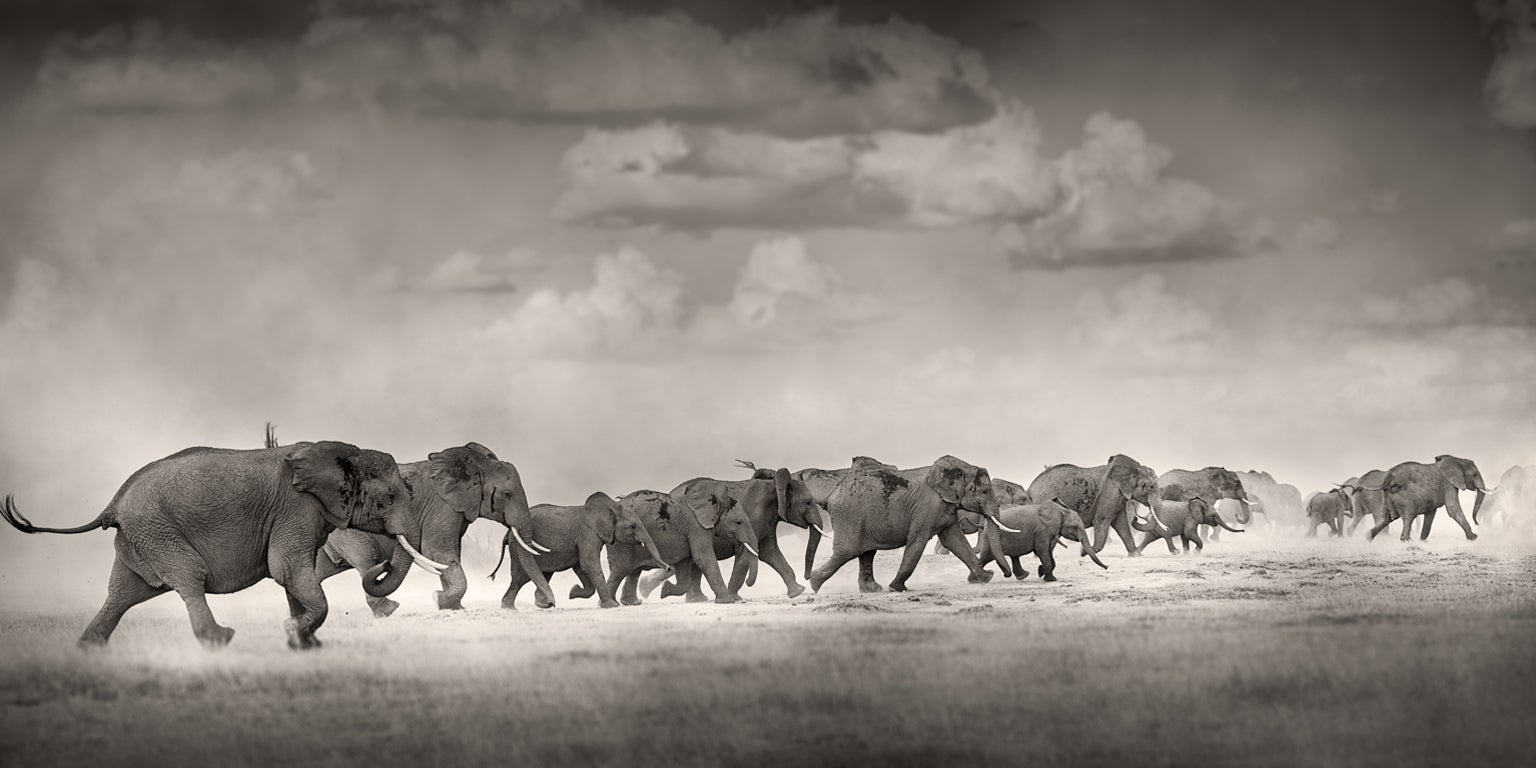
Elephant stampede. Startled by a thunderstorm, the herd thundered across Schmeisser’s waiting camera. A more subtle noise is also known to make an elephant lumber off: the sound of disturbed honeybees.
Credit: Joachim Schmeisser
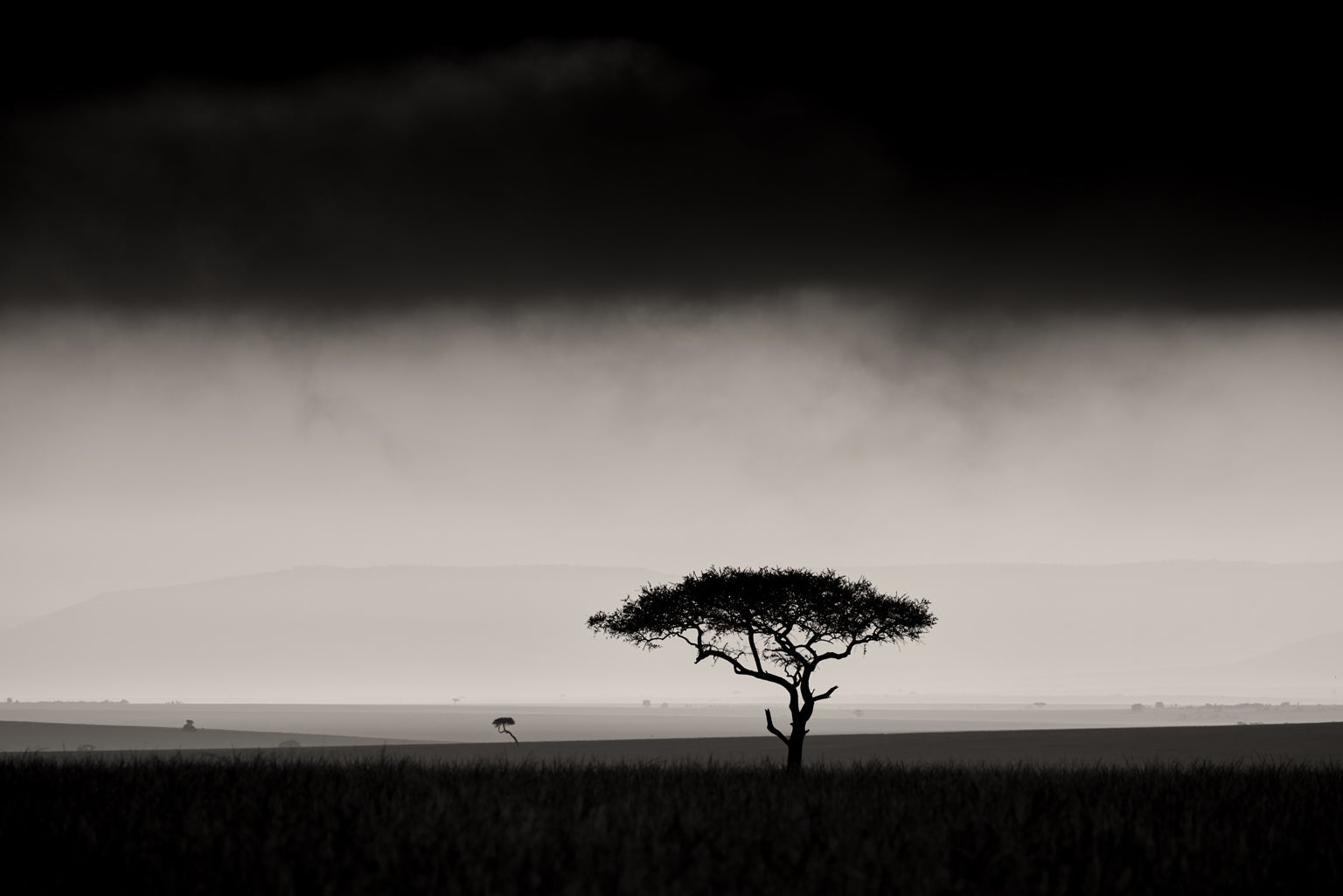
Plains of Kenya. As wide-open as the land might look, agriculture is encroaching on wildlife migration paths. Of the eight routes elephants take in the area, only one is formally protected—and it is one third the width it was in 1975.
A version of this article with the title “Science in Images” was adapted for inclusion in the July 2021 issue of Scientific American.