
By Letitia Stein
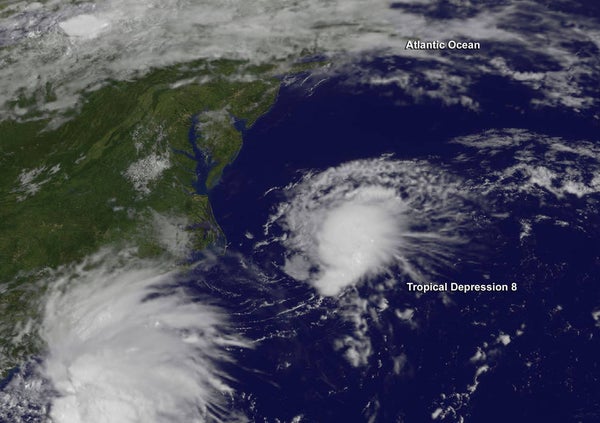
TAMPA, Fla., Aug 31 (Reuters) - Florida's governor declared an emergency on Wednesday ahead of an approaching weather system that could bring life-threatening flooding and fierce winds, placing parts of the state's Gulf Coast under a tropical storm warning and a hurricane watch.
Storm preparations were also under way on Hawaii's Big Island, where residents were warned of an approaching hurricane. The state's governor ordered the closing of state offices on Wednesday.
On supporting science journalism
If you're enjoying this article, consider supporting our award-winning journalism by subscribing. By purchasing a subscription you are helping to ensure the future of impactful stories about the discoveries and ideas shaping our world today.
In Florida, Governor Rick Scott declared an emergency in 42 of the state's 67 counties in advance of an expected tropical storm that could make landfall on the north-central Gulf Coast between late Thursday and early Friday, before moving across the northern part of the state and then northeast along the Atlantic Coast.
Heavy rains were already pounding parts of the state on Wednesday morning. As much as 20 inches (50 cm) could fall from central to northern Florida, the National Hurricane Center in Miami said, warning of flash floods and mudslides.
The approaching system, currently an unnamed tropical depression packing 35 mph (55 kph) winds with higher gusts, could be near hurricane strength at landfall, forecasters said.
On its current path, the system would bring heavy rain to coastal areas of Georgia and the Carolinas.
Lori Hebert, 40, woke up on Wednesday to flood waters seeping into her house in the Tampa Bay region. Catfish came onto her driveway as the street flooded outside her home in Gulfport, a small waterfront city.
"We haven't gotten the main storm yet," she said, loading a dozen orange sandbags into her van.
On Hawaii's Big Island, residents were warned that Hurricane Madeline will bring strong winds and heavy rains as it passes over the area, beginning late on Wednesday.
Governor David Ige signed an emergency proclamation that runs through Sept. 9, freeing up state resources.
The National Weather Service tracked Hurricane Madeline swirling about 140 miles (225 km) east-southeast of the town of Hilo around 5 a.m. local time on Wednesday. It said the storm was a Category 1 hurricane with sustained winds of about 80 mph (130 kph).
Madeline, expected to weaken to a tropical storm on Thursday, was forecast to dump as much as 15 inches (40 cm) of rain in isolated areas, it said.
There is another brewing hurricane that could affect the state over the weekend.