High-born, not like those other elements, The common riffraff, the ones All too ready to mix it up.
From the right tower of the periodic table They appraise their inferiors, Arrayed in colored boxes as far as they can see.
On supporting science journalism
If you're enjoying this article, consider supporting our award-winning journalism by subscribing. By purchasing a subscription you are helping to ensure the future of impactful stories about the discoveries and ideas shaping our world today.
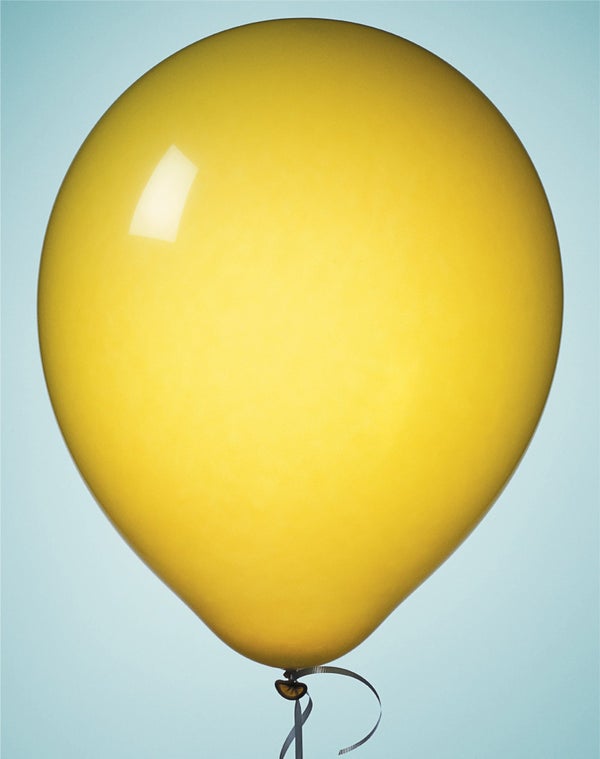
Dancing lightly on the parapet, Helium waves her party balloons Of yellow, red, and blue.
A level down, in her flaming orange-red dress, Neon shows a leg and shouts into the darkness Her cry of freedom.
Argon chats with his neighbor below, Krypton explaining again she's not a planet That exploded, nor a danger to anyone, caped or not.
Flashy and rakish (but naturally so), Xenon Flaunts his electric suit of lavender, Nearly blinding all who look in his direction.
Radon draws something from his invisible pocket, Bows, and casts seeds on the unaware, Bids them gently into that good night.
And on the ground floor, Oganesson blinks out, Half her life gone in less than a millisecond, Happy to be in a poem—or in anything at all really.
It’s Time to Stand Up for Science
If you enjoyed this article, I’d like to ask for your support. Scientific American has served as an advocate for science and industry for 180 years, and right now may be the most critical moment in that two-century history.
I’ve been a Scientific American subscriber since I was 12 years old, and it helped shape the way I look at the world. SciAm always educates and delights me, and inspires a sense of awe for our vast, beautiful universe. I hope it does that for you, too.
If you subscribe to Scientific American, you help ensure that our coverage is centered on meaningful research and discovery; that we have the resources to report on the decisions that threaten labs across the U.S.; and that we support both budding and working scientists at a time when the value of science itself too often goes unrecognized.