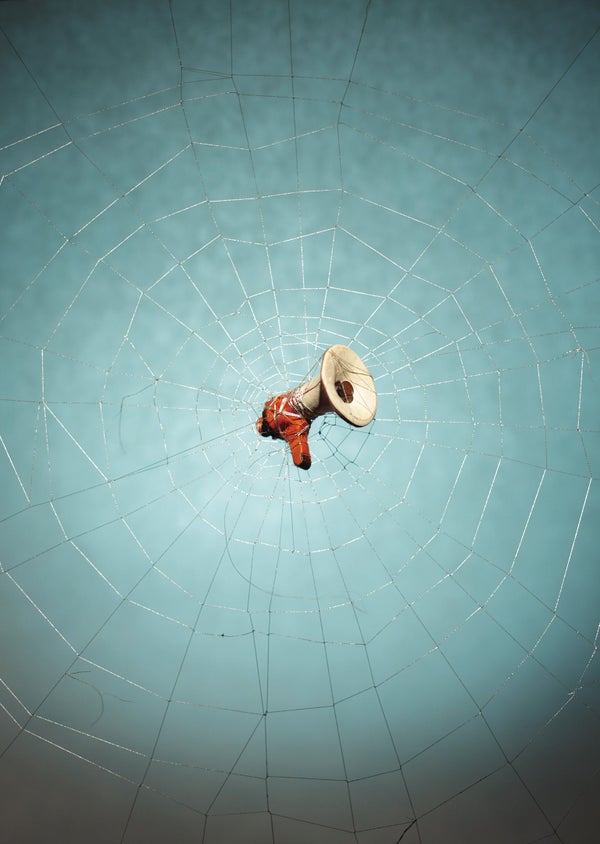
Truth, Lies & Uncertainty

Searching for reality in unreal times

Red Nose Studio

Join Our Community of Science Lovers!

On July 8 President Donald Trump stood in the East Room of the White House and delivered a speech celebrating his administration's environmental leadership. Flanked by his Secretary of the Interior David Bernhardt, a former oil and gas lobbyist, and epa head Andrew Wheeler, a former coal lobbyist, Trump extolled his team's stewardship of public lands, its efforts to ensure “the cleanest air and cleanest water,” and its success in reducing carbon emissions. In reality, Trump has opened up millions of acres to drilling and mining and sought to reverse multiple air- and water-pollution regulations. As for carbon emissions, they spiked an estimated 3.4 percent last year, and this administration is withdrawing the U.S. from the Paris climate change agreement that nearly every other nation on the planet is participating in.

The speech was surreal but apparently strategic: It came on the heels of polls showing that Americans are growing increasingly worried about the environment. It remains to be seen whether Trump will sway environmentally concerned voters by using false claims, but clearly his team thinks that's a possibility. Truly we live in interesting times. How did we get here, and how do we get out?

In this special issue of Scientific American, we set out to explore how it is that we can all live in the same universe yet see reality so differently. Basic science illuminates the deep roots of this phenomenon. Even in physics and mathematics, truth is not entirely clear-cut. And mounting evidence from neuroscience indicates that our perceptions are not direct representations of the external world. Rather our brains—each one unique—make guesses about reality based on the sensory signals they receive.


On supporting science journalism

If you're enjoying this article, consider supporting our award-winning journalism by subscribing. By purchasing a subscription you are helping to ensure the future of impactful stories about the discoveries and ideas shaping our world today.


Still, there can be no doubt that factors specific to our modern era are exacerbating our collective unmooring—technological developments that abet the warping of truth and the normalization of lies. Social media amplifies toxic misinformation on an unprecedented scale. Cyberattacks on election machinery and voter-registration systems threaten not only election outcomes but democracy itself.

Uncertainty in the world makes us all the more susceptible to such campaigns. But it's not all doom and gloom. By understanding how we instinctively deal with unknowns and how bad actors exploit the information ecosystem, we can mount defenses against weaponized narratives—and build mutual understanding to solve society's most pressing challenges.

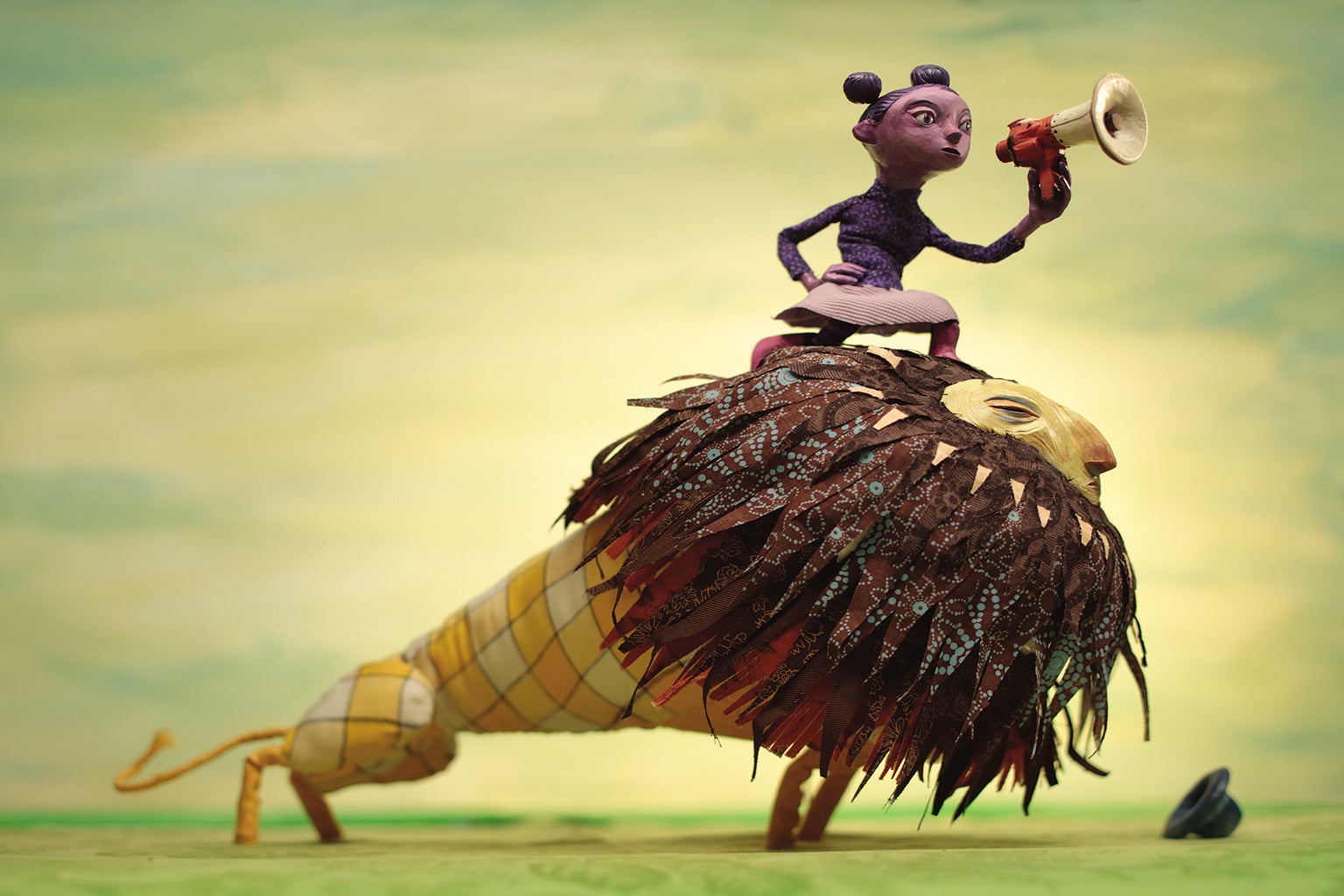
Truth
Credit: Red Nose Studio

The Search for Truth in Physics Is the Mathematical World Real? The Neuroscience of Reality How Professional Truth Seekers Search for Answers

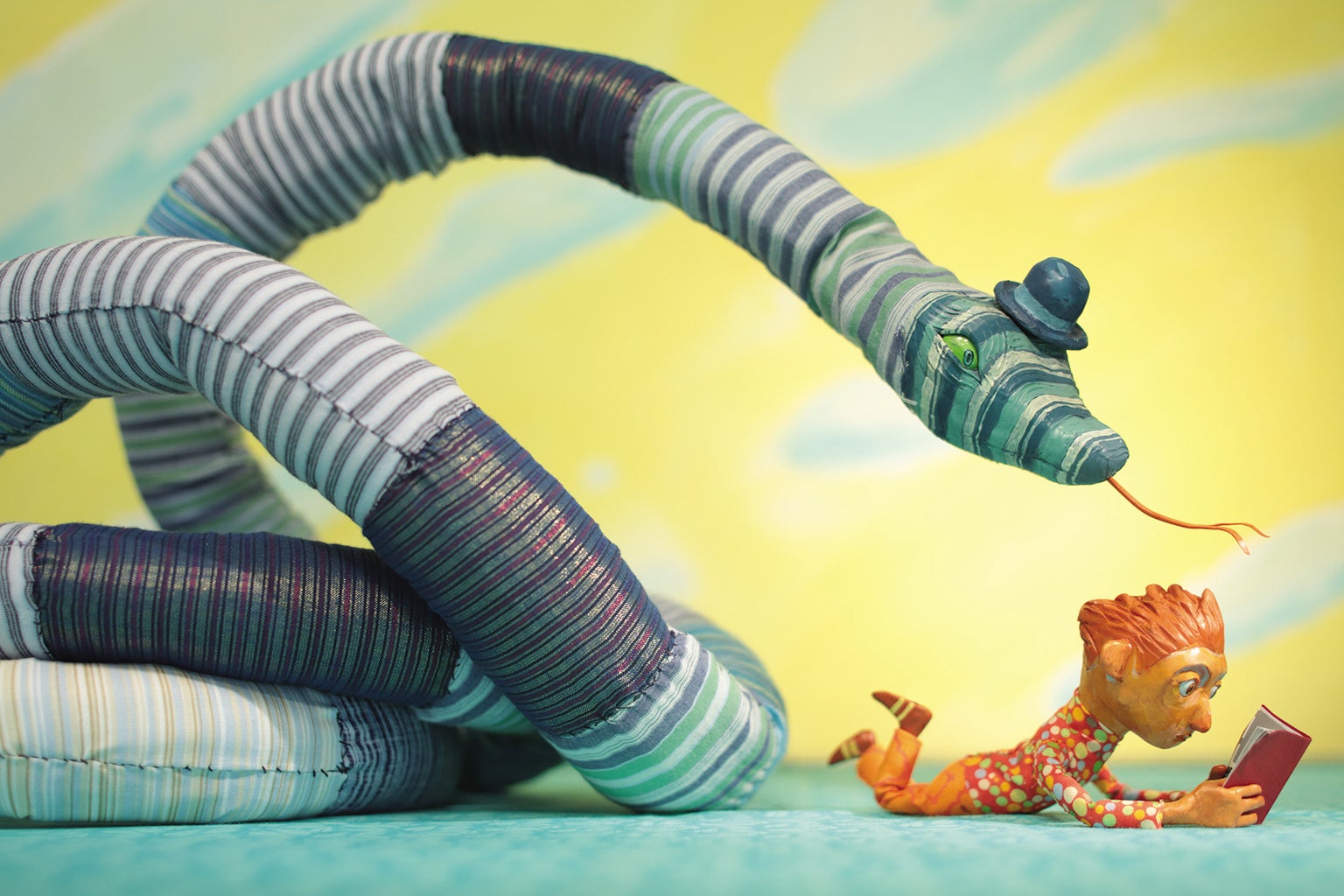
Lies
Credit: Red Nose Studio

Deception in the Animal Kingdom How Misinformation Spreads—and Why We Trust It The Contagion of Corruption How to Defraud Democracy

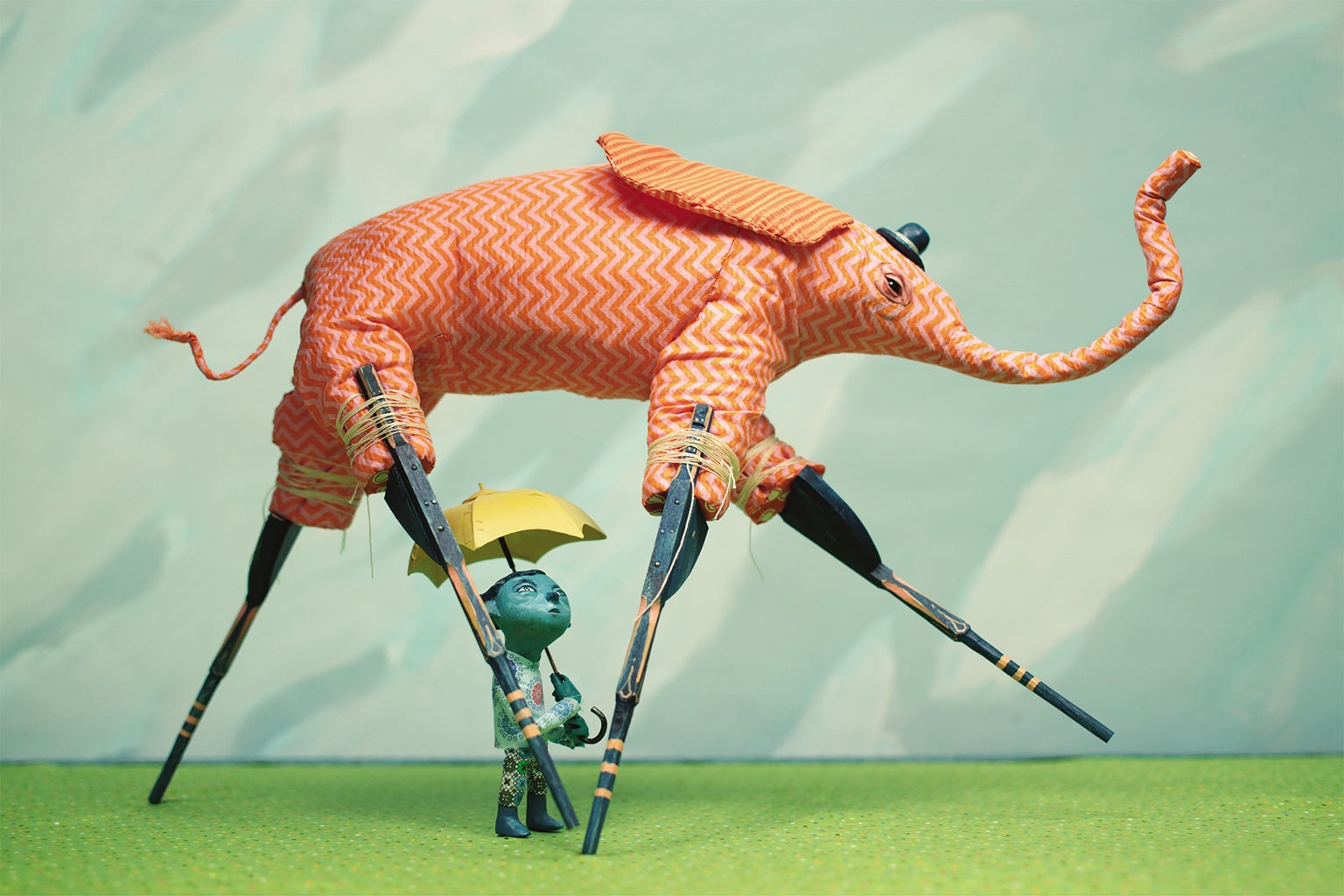
Uncertainty
Credit: Red Nose Studio

When Assessing Novel Risks, Facts Are Not Enough How To Get Better at Embracing Unknowns The Search for Social Identity Leads to "Us" versus "Them" Misinformation Has Created a New World Disorder

Seth Fletcher is director of editorial content at Scientific American. His book Einstein's Shadow (Ecco, 2018), on the Event Horizon Telescope and the quest to take the first picture of a black hole, was excerpted in the New York Times Magazine and named a New York Times Book Review Editor’s Choice. His book Bottled Lightning (2011) was the first definitive account of the invention of the lithium-ion battery and the 21st-century rebirth of the electric car. His writing has appeared in the New York Times Magazine, the New York Times op-ed page, Popular Science, Fortune, Men's Journal, Outside and other publications. His television and radio appearances have included CBS’s Face the Nation, NPR’s Fresh Air, the BBC World Service, and NPR’s Morning Edition, Science Friday, Marketplace and The Takeaway. He has a master’s degree from the Missouri School of Journalism and a bachelor’s degrees in English and philosophy from the University of Missouri.

More by Seth Fletcher

Jen Schwartz was a senior features editor at Scientific American. She produced stories and special projects about how society is adapting—or not—to a rapidly changing world.

More by Jen Schwartz

Kate Wong is an award-winning science writer and senior editor for features at Scientific American, where she has focused on evolution, ecology, anthropology, archaeology, paleontology and animal behavior. She is fascinated by human origins, which she has covered for nearly 30 years. Recently she has become obsessed with birds. Her reporting has taken her to caves in France and Croatia that Neandertals once called home to the shores of Kenya’s Lake Turkana in search of the oldest stone tools in the world, as well as to Madagascar on an expedition to unearth ancient mammals and dinosaurs, the icy waters of Antarctica, where humpback whales feast on krill, and a “Big Day” race around the state of Connecticut to find as many bird species as possible in 24 hours. Wong is co-author, with Donald Johanson, of Lucy’s Legacy: The Quest for Human Origins. She holds a bachelor of science degree in biological anthropology and zoology from the University of Michigan. Follow her on Bluesky @katewong.bsky.social

More by Kate Wong
Scientific American Magazine Vol 321 Issue 3This article was published with the title “Truth, Lies & Uncertainty” in Scientific American Magazine Vol. 321 No. 3 (), p. 26
doi:10.1038/scientificamerican0919-26

It’s Time to Stand Up for Science

If you enjoyed this article, I’d like to ask for your support. Scientific American has served as an advocate for science and industry for 180 years, and right now may be the most critical moment in that two-century history.

I’ve been a Scientific American subscriber since I was 12 years old, and it helped shape the way I look at the world. SciAm always educates and delights me, and inspires a sense of awe for our vast, beautiful universe. I hope it does that for you, too.

If you subscribe to Scientific American, you help ensure that our coverage is centered on meaningful research and discovery; that we have the resources to report on the decisions that threaten labs across the U.S.; and that we support both budding and working scientists at a time when the value of science itself too often goes unrecognized.

In return, you get essential news, captivating podcasts, brilliant infographics, can't-miss newsletters, must-watch videos, challenging games, and the science world's best writing and reporting. You can even gift someone a subscription.

There has never been a more important time for us to stand up and show why science matters. I hope you’ll support us in that mission.

Thank you,

David M. Ewalt, Editor in Chief, Scientific American

Subscribe