
By Laura Zuckerman
May 4 (Reuters) - U.S. wildlife managers on Wednesday again proposed granting 30-year permits to wind farms that would forgive them for thousands of eagle deaths expected during that time frame from collisions of the birds with turbines, towers and electrical wires.
The proposed rule, like one struck down by a federal judge last year, would greatly extend the current five-year time frame in the permits required under U.S. law for the "incidental take" of eagles, including those killed by obstacles erected in their habitat.
On supporting science journalism
If you're enjoying this article, consider supporting our award-winning journalism by subscribing. By purchasing a subscription you are helping to ensure the future of impactful stories about the discoveries and ideas shaping our world today.
Wind energy companies have pressed the U.S. Fish and Wildlife Service to lengthen the terms of the eagle permits, saying a five-year duration left too much uncertainty and hampered investment in the burgeoning renewable power industry.
The agency in 2013 approved a similar plan extending eagle-take permits to 30 years. But a U.S. judge overturned it last year, agreeing with conservation groups that the Fish and Wildlife Service had failed to properly assess impacts of the rule change on federally protected eagle populations.
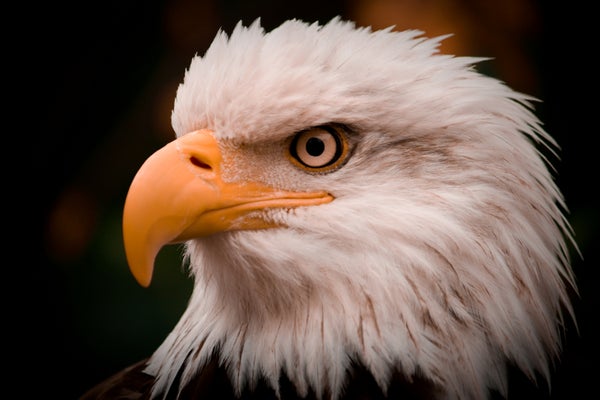
The revised proposal cites significant expansion within many sectors of the U.S. energy industry, particularly wind energy operations in the Western states, at a time when bald eagle numbers are growing while golden eagles appear to be in decline.
Nevertheless, the Fish and Wildlife Service concluded that the U.S. population of roughly 40,000 golden eagles could endure the loss of about 2,000 birds a year without being pushed toward extinction. And the agency suggested that bald eagles, estimated to number about 143,000 nationwide, could sustain as many as 4,200 fatalities annually without endangering the species.
The new proposal, which is open for public comment through July 5, would make wind farms and other energy developers responsible for monitoring eagle deaths from collisions with facility structures.
That arrangement was decried by the American Bird Conservancy, which led the successful legal challenge against the previous eagle permit plan.
The conservancy's Michael Hutchins said a system that relies on industry rather than government regulators to monitor and report problems fails to protect a beloved bird of prey stamped on the great seal of the United States.
The American Wind Energy Association did not immediately respond to a request for comment.
The number of eagles killed each year at wind facilities is not precisely known, according to the Fish and Wildlife Service. An estimated 545 golden eagles are thought to perish annually from collisions with obstacles ranging from turbines to vehicles, the agency said.