
By Steve Gorman
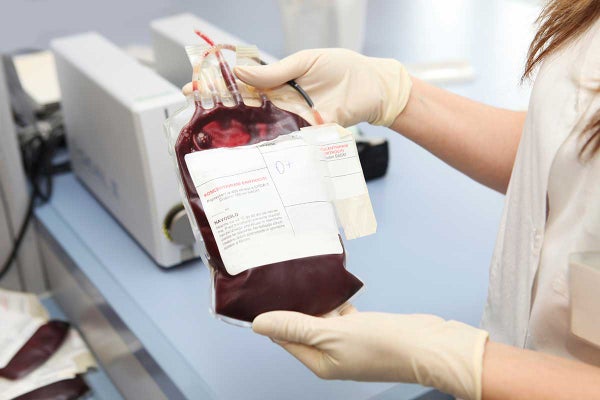
The American Red Cross appealed on Tuesday to prospective donors who have visited Zika outbreak zones to wait at least 28 days before giving blood, but said the risk of transmitting the virus through blood donations remained "extremely" low in the continental United States.
The "self-deferral" notice for blood donors should apply to those who have visited Mexico, the Caribbean, or Central or South America during the past four weeks, the Red Cross said in a statement.
On supporting science journalism
If you're enjoying this article, consider supporting our award-winning journalism by subscribing. By purchasing a subscription you are helping to ensure the future of impactful stories about the discoveries and ideas shaping our world today.
The Washington-based nonprofit disaster relief agency also asked that donors who give blood and subsequently develop symptoms consistent with Zika within 14 days of donating to notify the Red Cross so the product can be quarantined.
Cases of the Zika virus, a mosquito-borne illness linked to a dangerous birth defect called microcephaly - marked by abnormally small head size - and to a serious autoimmune disorder called Guillian-Barre syndrome that can cause paralysis, has been reported in more than 30 countries and territories.
The most common symptoms of infection are flu-like, such as aches and fever About 80 percent of people infected show no symptoms whatsoever, said Susan Stramer, a microbiologist for the Red Cross.
There is no easy, rapid blood test for Zika virus although blood testing is available.
Still, "the risk of transmission through blood donation continues to be extremely low in the continental U.S.," the Red Cross said in its statement.
Stramer said even in Hawaii, which is currently experiencing an outbreak of another mosquito-borne tropical disease, dengue fever, the risk of contamination of the blood supply from Zika is low because there has been no known transmission within the islands.
The travel-related donor self-deferral notice, the first measure of its kind taken by the Red Cross for a mosquito-borne disease, came a day after the American Association of Blood Banks, an accrediting organization, called for action, Stramer said.
The Red Cross statement came as the first known case of Zika virus transmission in the United States was reported in Texas on Tuesday by local health officials, who said it likely was contracted through sex and not a mosquito bite. The World Health Organization on Monday declared an international public health emergency over the virus.
Stramer said both developments coincided with the self-deferral notice but did not prompt it.
*Editor's Note (2/3/16): An earlier version of this article reported that there is no blood test for Zika virus. In fact, blood testing is available, although the options are cumbersome and limited. For more information read, "'Babymoon' Turns into Zika Nightmare.'"
