
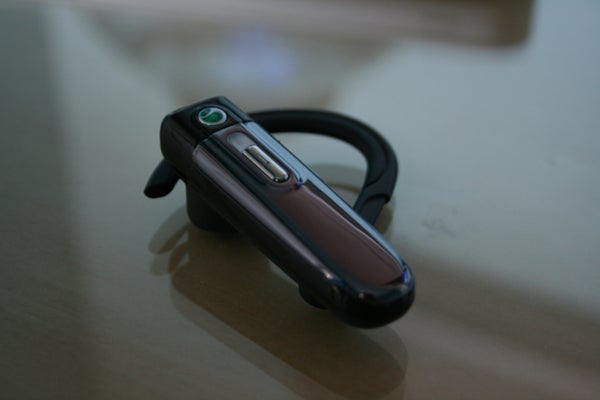

This week, a listener named Tina wrote in to ask me, "What exactly is bluetooth?" I thought this was a great question, and I couldn't believe I hadn't already answered it on my show. So, without further ado ...
What Does Bluetooth Do?
On supporting science journalism
If you're enjoying this article, consider supporting our award-winning journalism by subscribing. By purchasing a subscription you are helping to ensure the future of impactful stories about the discoveries and ideas shaping our world today.
You’ve probably seen Bluetooth advertised on almost every smartphone and most small electronics. This is because Bluetooth is a form of wireless communication made specifically for close range, low power communication. You’ll see Bluetooth in wireless headsets, cameras, fitness trackers, smart watches, laptops, and most small electronic items. Bluetooth is very similar to WiFi in that it allows devices to communicate with one another. However, Bluetooth is meant for devices where battery life is more important than high data transfer speeds.
For example, say you have a FitBit, the amount of data it has to send to your phone about steps taken is extremely small, which means you could send it slowly via Bluetooth and the time to transfer would be instant because there is so little data. Bluetooth also has the benefit of being incredibly energy efficient, which means devices use very little power transmitting and receiving information and can last much longer without needing a charge.