

Imagine 30% of all of the food produced in the U.S. each year, a total amount of food worth $48.3 billion. No, that’s not how much we consume over the holidays. That is how much food we throw in the trash according to the United Nations Environment Programme. Every year, rich countries waste about 222 million tons of food, which is almost the entire net food production of Sub-Saharan Africa.
The production of food through agriculture uses 80% of the available water supply in the U.S., meaning that uneaten food leads to a significant amount of wasted water. According to a report by the Natural Resources Defense Council, the process of “farm to fork” also uses 10% of the total US energy budget and 50% of our land. Organic waste is also the second highest component of US landfills and the largest producer of methane, a greenhouse gas an excess of which can lead to rising global temperatures.
On supporting science journalism
If you're enjoying this article, consider supporting our award-winning journalism by subscribing. By purchasing a subscription you are helping to ensure the future of impactful stories about the discoveries and ideas shaping our world today.
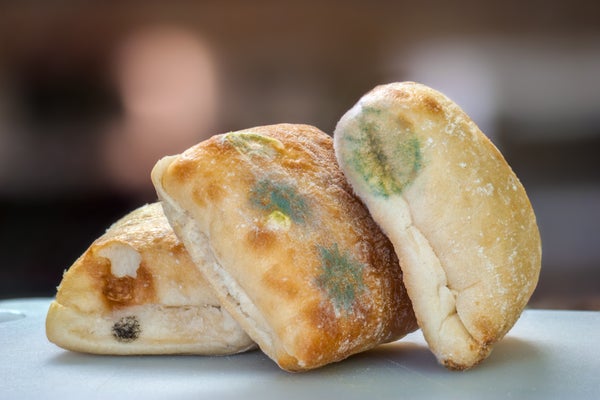
Much of that waste happens in our homes: we throw out food because we believe it has gone bad, either because we see mold or because the food has past its printed expiration date. But are we being overly cautious? Is some of that moldy food still safe to eat? Are some of those technically expired perishables still salvageable?
Let’s look at what foods we can still eat even after they’ve “gone bad.”
»Continue Reading “When Is It Safe to Eat Moldy Food?” on QuickAndDirtyTips.com