
By Reuters Staff
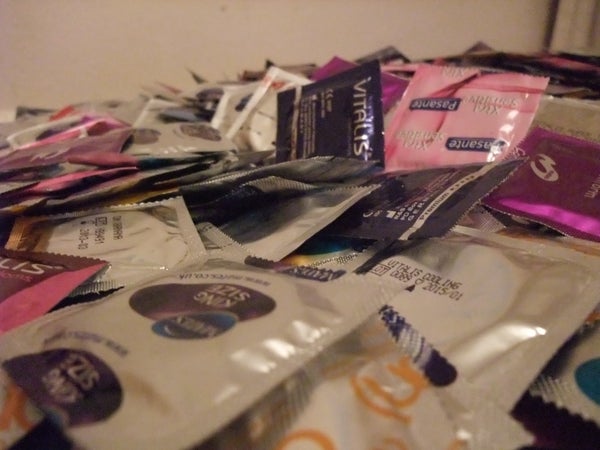
GENEVA (Reuters) - The World Health Organization said on Tuesday that men and women returning from areas where the Zika virus is actively spreading should practice safer sex or abstinence for 6 months, regardless of whether they are trying to conceive or showing symptoms.
The guidance is a change from the WHO's interim recommendation on June 7, which referred only to men and had a shorter timeframe of at least 8 weeks.
On supporting science journalism
If you're enjoying this article, consider supporting our award-winning journalism by subscribing. By purchasing a subscription you are helping to ensure the future of impactful stories about the discoveries and ideas shaping our world today.
The WHO said the update was based on new evidence on Zika transmission from asymptomatic males to their female partners and a symptomatic female to her male partner, as well as evidence that Zika is present in semen for longer than thought.
Zika infections in pregnant women have been shown to cause microcephaly, as well as other brain abnormalities. The connection between Zika and microcephaly first came to light last autumn in Brazil, which has since confirmed more than 1,800 cases of microcephaly.
In adults, Zika infections have also been linked to Guillain-Barre syndrome, as well as other neurological disorders.
Sexual transmission of Zika had been reported in 11 countries by Aug. 26, mainly through vaginal intercourse. There was a first documented case of a man catching the virus through anal sex in February 2016 and a suspicion of Zika transmission through oral sex in April.
Although one man had Zika found in his semen 188 days after the onset of symptoms, the longest period that the virus has so far been found to remain infectious was 24 days, and WHO said its latest six-month advice was conservative.
Another Zika sufferer had 100,000 times more Zika virus in his semen than in his blood 14 days after he was diagnosed.
Evidence on persistence of the virus in semen and its infectiousness and impact on sexual transmission remains limited and the guidance will be updated again when there is more information, WHO said.
WHO advises that pregnant women should not travel to areas with ongoing Zika virus transmission, and it warned people travelling to the Paralympic Games, which starts on Wednesday in Rio de Janeiro, to take precautions against mosquito bites.
"We think that the risk for travelers and athletes is low, but it's not zero," said WHO spokesman Tarik Jasarevic.