
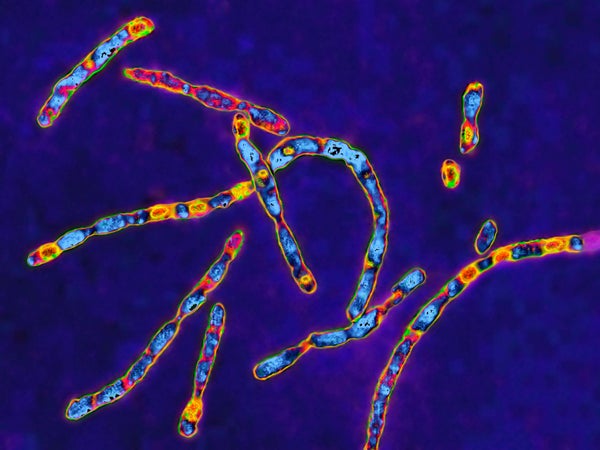

Around July and August of 2016 in a remote corner of Siberia called the Yamal Penninsula, more than 2,000 reindeer unexpectedly perished. Initially, a heat wave was suspected to have caused heatstroke in the reindeer, but doctors soon realized they had also become infected by bacillus anthracis, the bacterium responsible for anthrax. (Yes, the same anthrax that gained notoriety after being sent in powdered form to United States senators in 2001.) The Siberian anthrax outbreak also caused the hospitalization of more than 20 people and even one death.
But anthrax had not been seen in Siberia since 1941 so was this a case of bioterrorism? Fortunately not, but the suspected cause is also troubling. Researchers believe the unusually high temperatures during the heat wave caused the permanently frozen soil - called permafrost - to thaw, releasing formerly frozen spores of anthrax into the air in a case of science fiction playing out in reality.
On supporting science journalism
If you're enjoying this article, consider supporting our award-winning journalism by subscribing. By purchasing a subscription you are helping to ensure the future of impactful stories about the discoveries and ideas shaping our world today.
During the last anthrax outbreak in the region 75 years ago, the bodies of reindeer who succumbed to the infection were buried. However, the frozen nature of the tundra means that bodies cannot easily be buried too deeply beneath the surface. The cold, dark, low oxygen conditions of the permafrost also mean that certain bacteria can exist for long periods of time, laying dormant until they are re-released by, for example, the melting of the soil by a heat wave.