
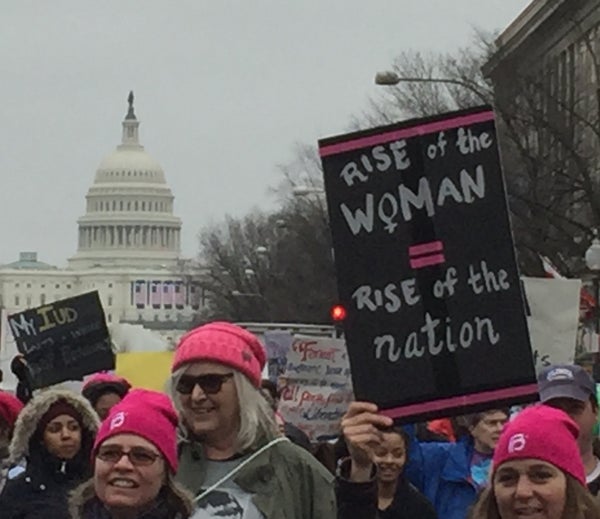
WASHINGTON, D.C.—The day after businessman and reality-TV star Donald Trump was sworn into office as the 45th president of the United States, hundreds of thousandsof protestors descended on the nation’s capital allied loosely under the banner of marching for human rights. More than 200 similar marches had also been planned in cities across the country.
The Women’s March on Washington started near the Capitol and brought together a far-flung coalition of individuals and groups. Some of the protestors said they were here to stand in solidarity with efforts to protect the rights of women and their families. Others said they came to register their dismay about the Trump administration’s stance on certain scientific and medical issues—including climate change, reproductive rights and the future of research funding. Some researchers who joined the march said they were alarmed over what might happen to science in general with Trump at the helm.
Here is a sampling of photos and comments from protestors who said concerns about science brought them out:
On supporting science journalism
If you're enjoying this article, consider supporting our award-winning journalism by subscribing. By purchasing a subscription you are helping to ensure the future of impactful stories about the discoveries and ideas shaping our world today.
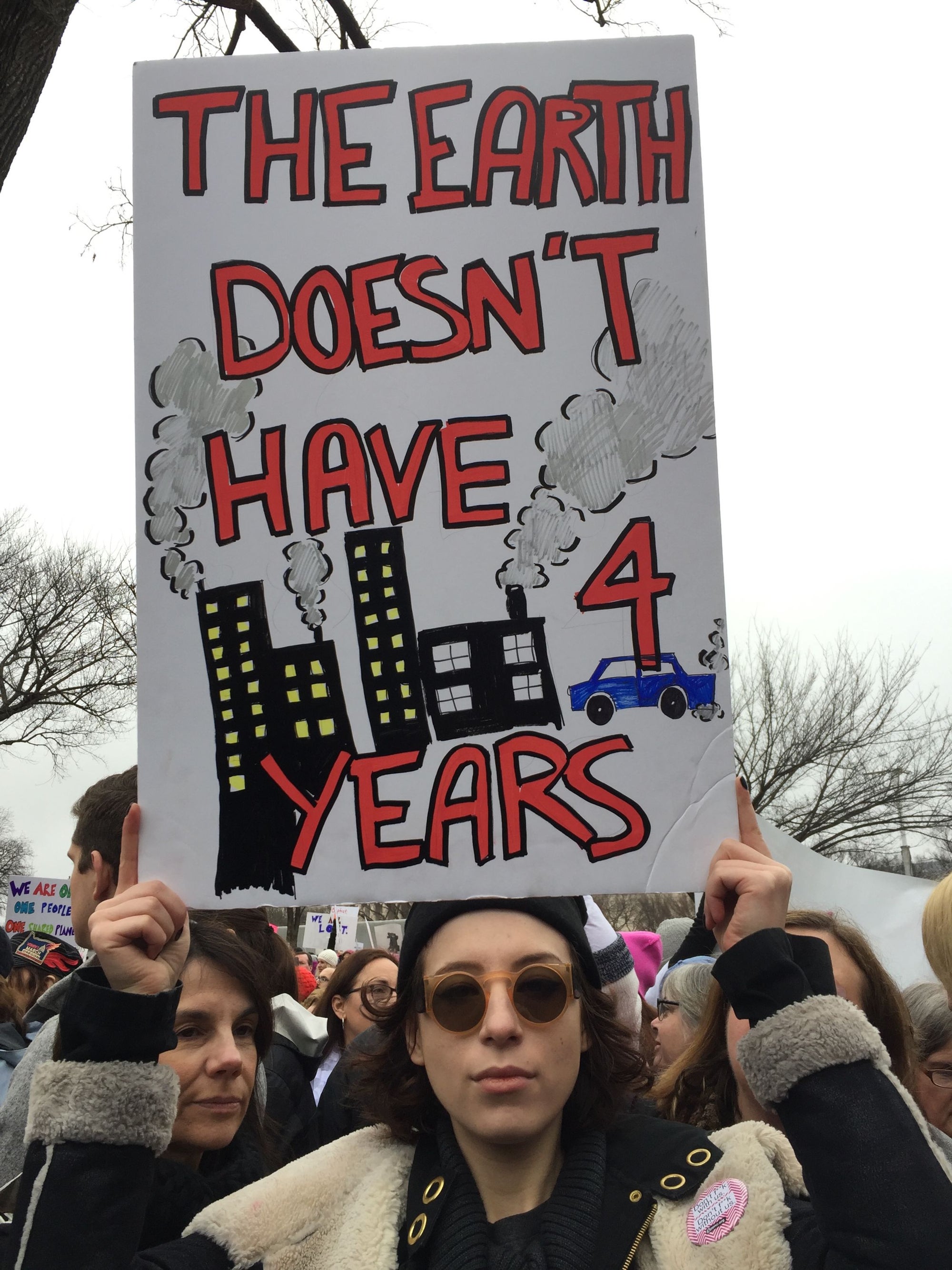
Brittany Knapp, 23, Queens, New York
Credit: Dina Fine Maron
“I can't fathom having a president that doesn't believe in science, facts and morals. I can't stay silent anymore.”
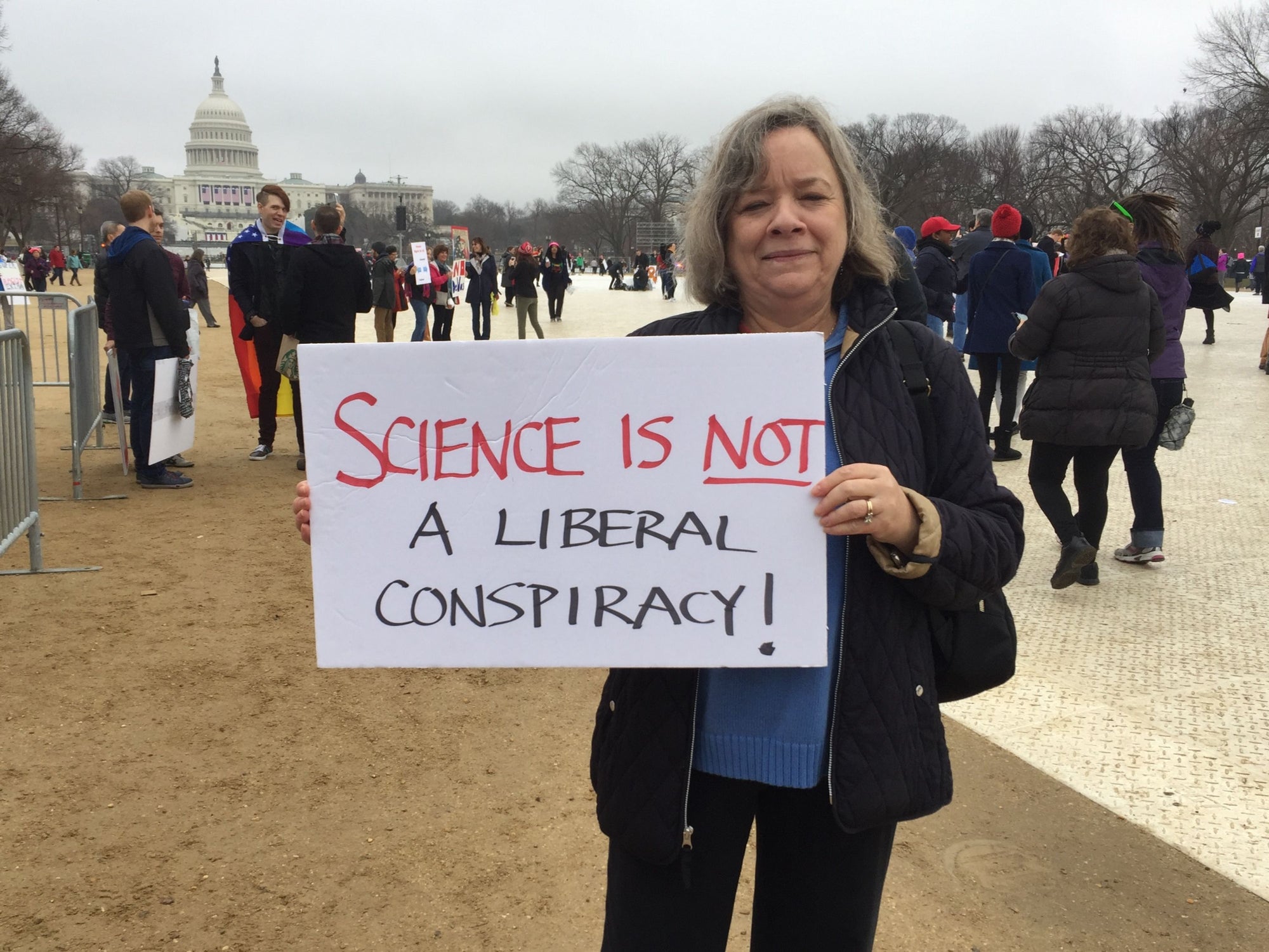
Betty Zara, 63, Bethesda, Maryland
Credit: Dina Fine Maron
“I'm here not just for science but for human rights. I am for our planet. I'm disturbed our president thinks global warming isn't a concern.”
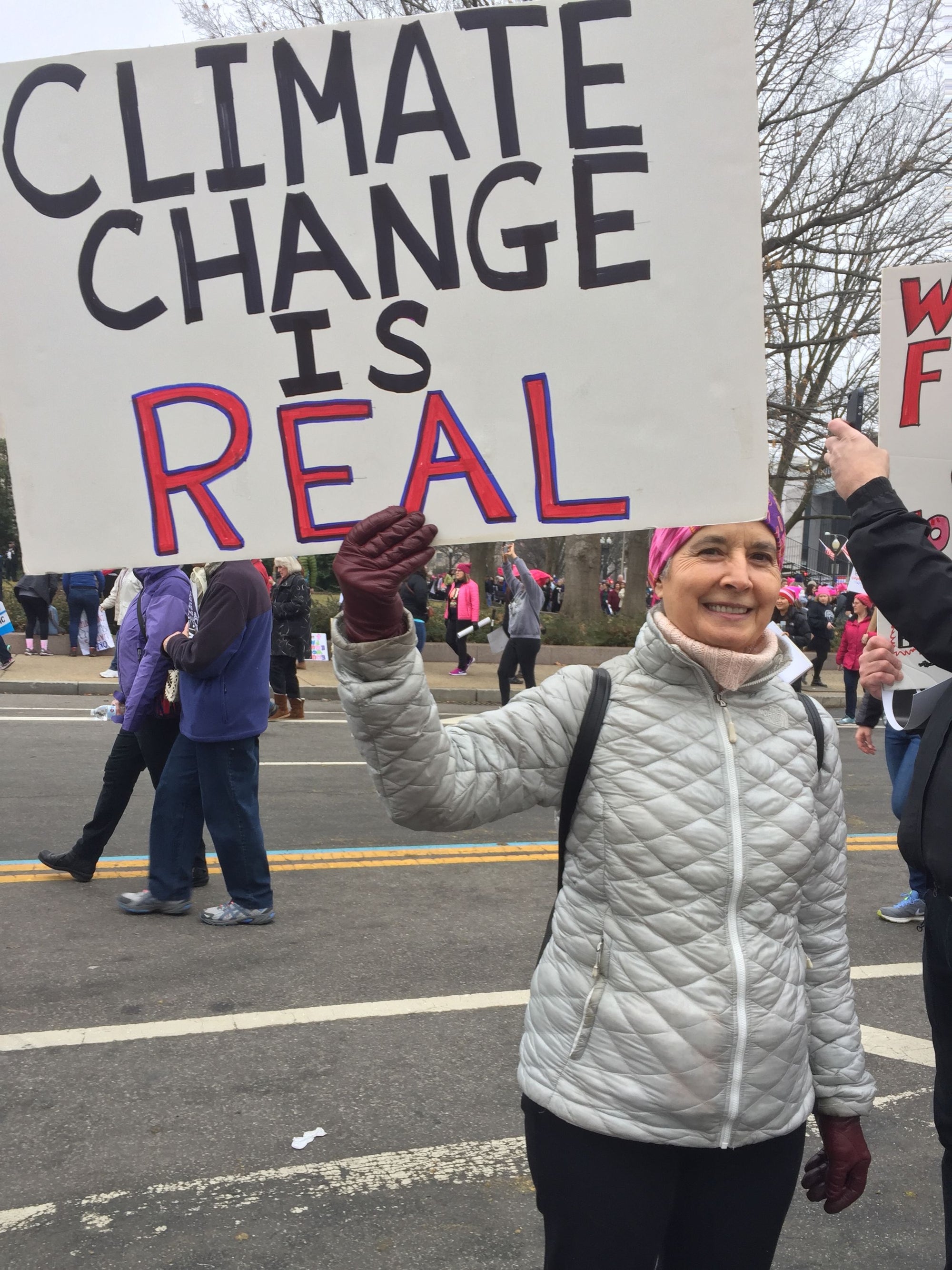
Angela Smedley, 66, Silver Spring, Maryland
Credit: Dina Fine Maron
“I'm very concerned about climate change's effect on our planet and our future.”
Lane Burns, 40, Milwaukee, Wisconsin
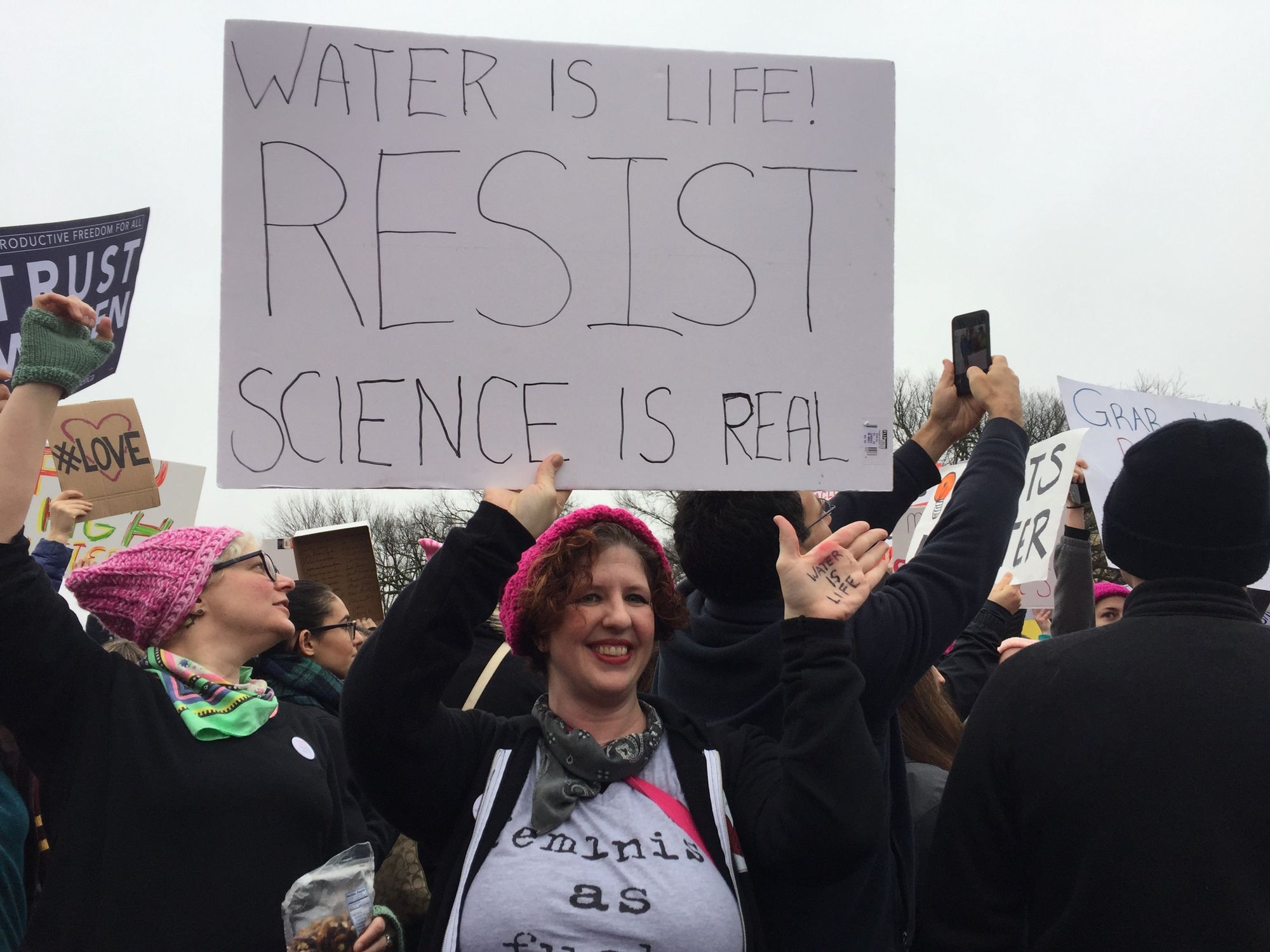
Credit: Dina Fine Maron
“Our current regime ignores facts and truth and encourages others to go with their feelings instead of facts.”
Gina Ferrari, 24, Washington, DC
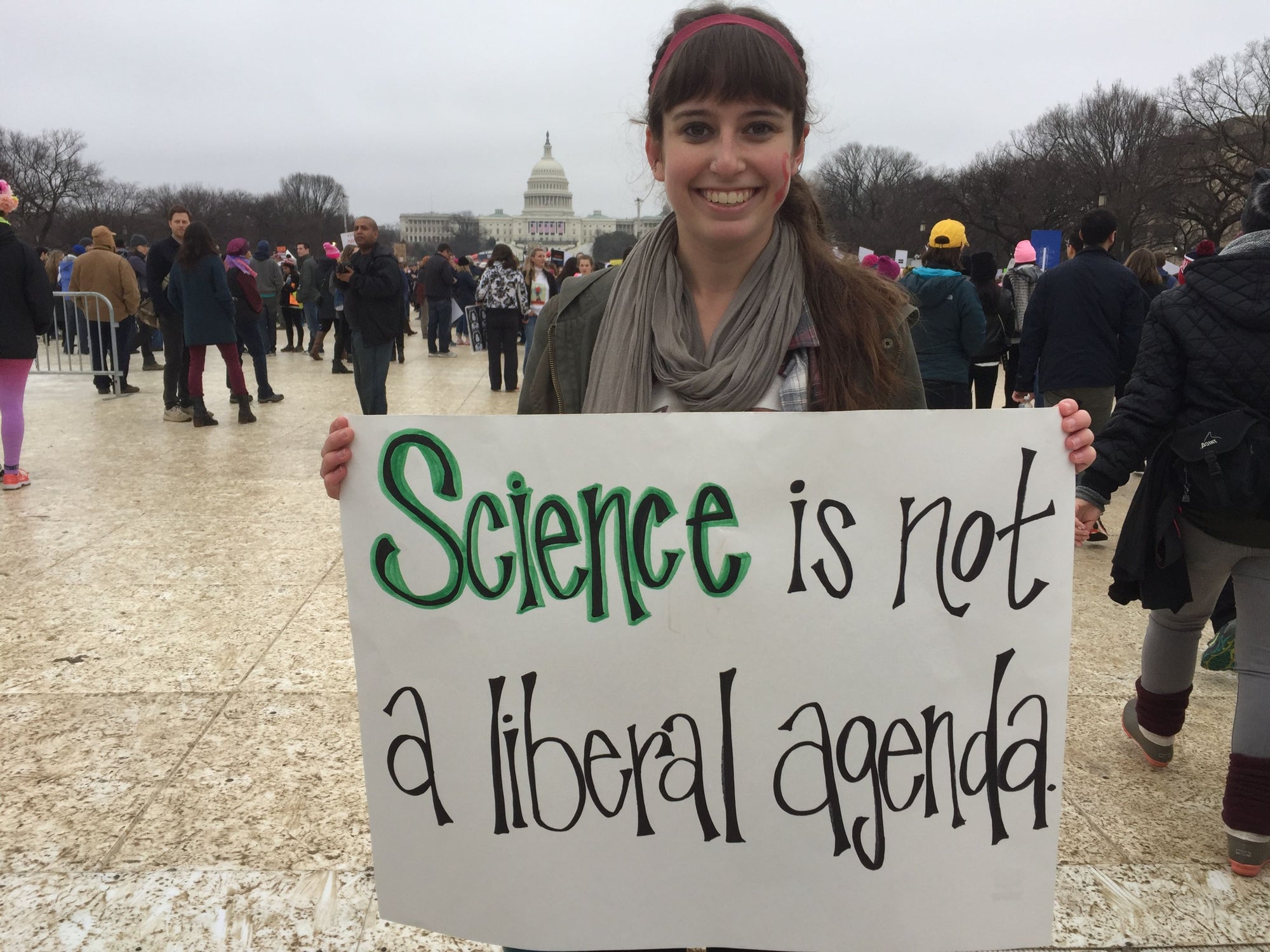
Credit: Dina Fine Maron
“I am a nurse and so I support healthcare and combating global warming!”
Lauren Ward, 27, Washington, DC
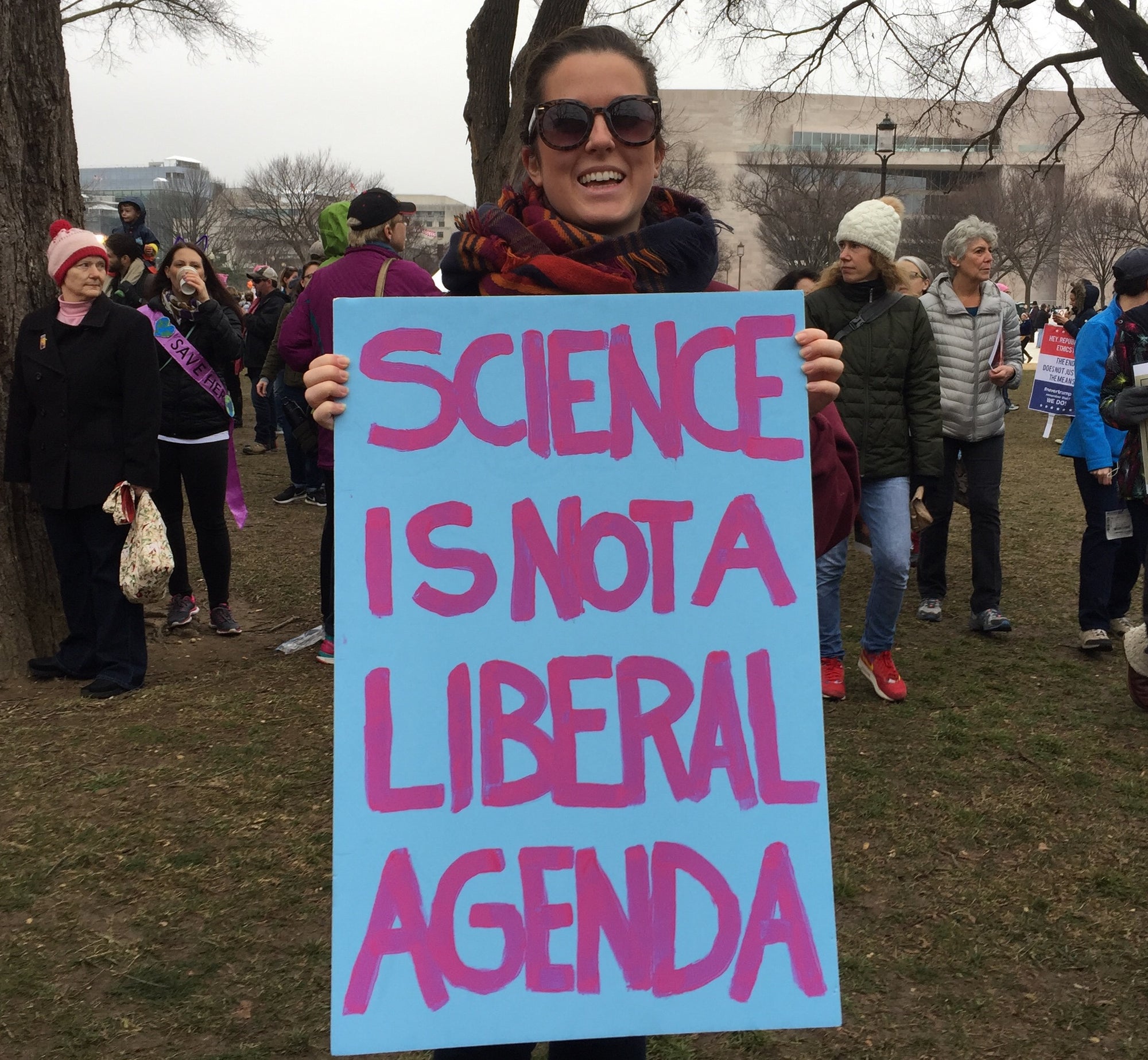
Credit: Dina Fine Maron
“I work for the Smithsonian and I want to make sure our science programs continue to be funded. I have a particular interest in climate change - it is a matter of facts not an agenda.”
Maddie O'Brien, 22, Washington, DC
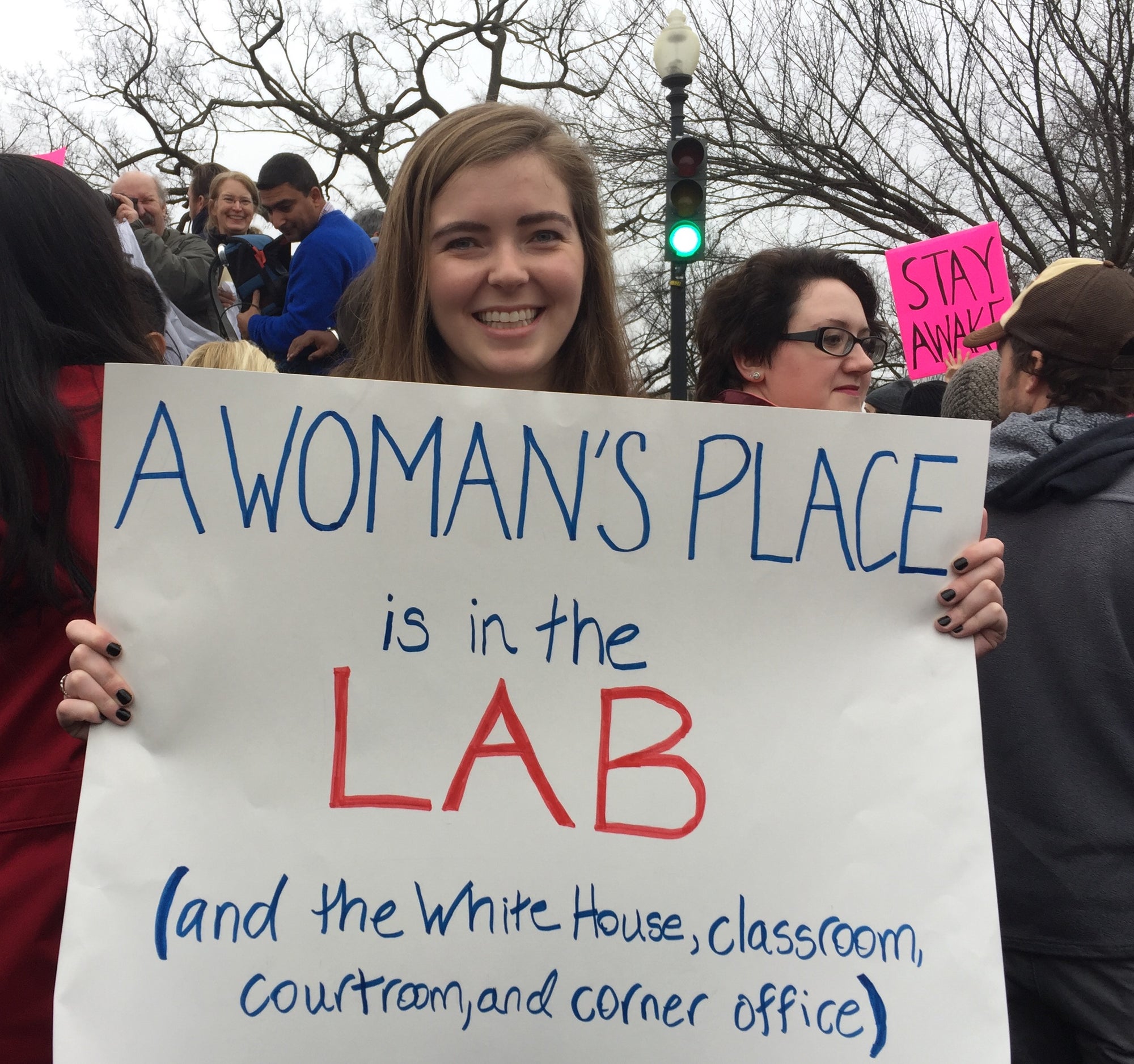
Credit: Dina Fine Maron
“I am doing a fellowship at the National Institutes of Health in neuroscience. I am concerned that women in STEM will be discouraged under this buffoon of a president.”
Alex Bayer, 31, Cincinnati, Ohio
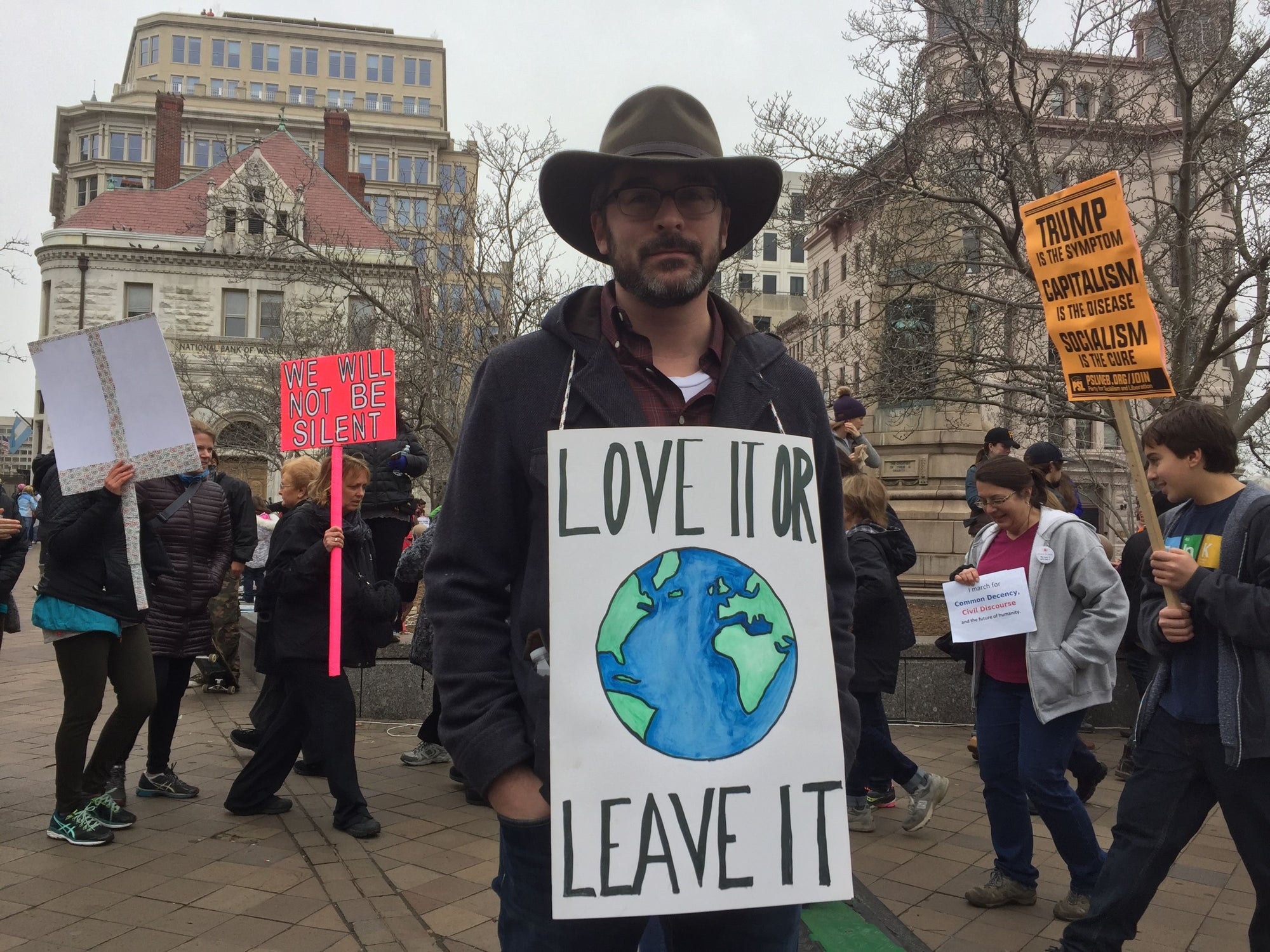
Credit: Dina Fine Maron
“I am lending my voice to everyone else here because we need to save the planet.”