ComputingDecember 6, 2018
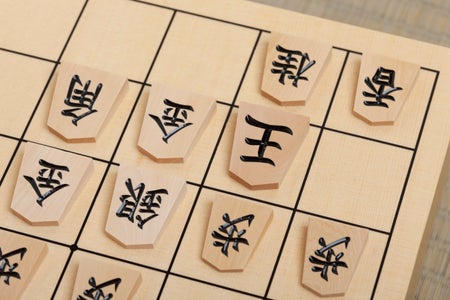
“Superhuman” AI Triumphs Playing the Toughest Board Games
Will a general algorithm that masters chess, go and shogi succeed as well for games with less-defined rules?
“Superhuman” AI Triumphs Playing the Toughest Board Games
Will a general algorithm that masters chess, go and shogi succeed as well for games with less-defined rules?
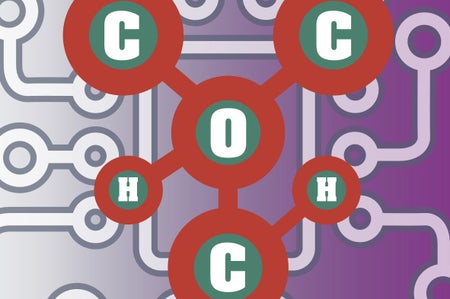
AI for Molecular Design
Machine-learning algorithms are speeding up the search for novel drugs and materials


How Can AI Help to Prepare for Floods in a Climate-Changed World?
Former FEMA chief Craig Fugate talks about sea level rise, big data, and bias
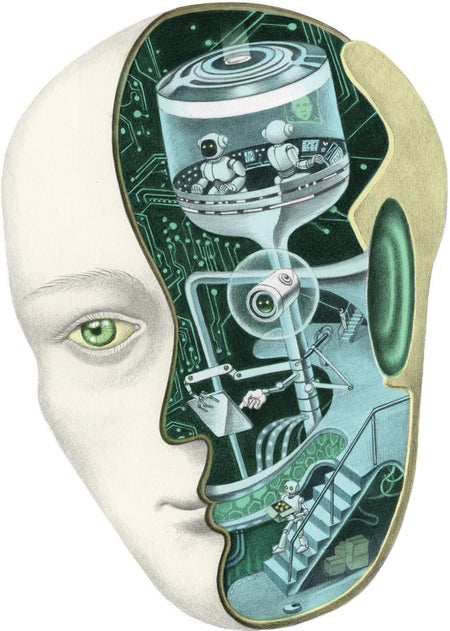
Artificial Intelligence Will Serve Humans, Not Enslave Them
AI will serve our species, not control it

AI, Robotics and Your Health
At the second Science on the Hill event, AI, Robotics and Your Health, experts from academia and the private sector talked with Scientific American Editor in Chief Mariette DiChristina about the future of AI and robotics in medicine.

A Compendium of AI-Composed Pop Songs

Demystifying the Black Box That Is AI
Humans are increasingly entrusting our security, health and safety to “black box” intelligent machines

Ghost in the Sell: Hollywood’s Mischievous Vision of AI
With the new sci-fi flick Ghost in the Shell hitting theaters this week, Scientific American asks artificial intelligence experts which movies, if any, have gotten AI right
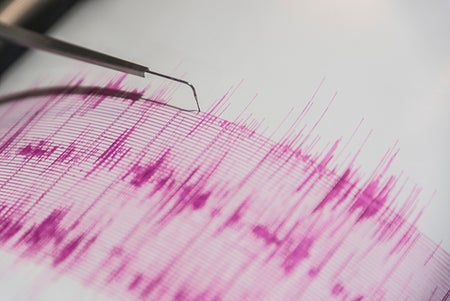
Can Artificial Intelligence Predict Earthquakes?
The ability to forecast temblors would be a tectonic shift in seismology. But is it a pipe dream? A seismologist is conducting machine-learning experiments to find out

Open AI Ecosystem Portends a Personal Assistant for Everyone
Artificial intelligence could unlock higher productivity and better health and happiness for millions of people