VideoDecember 24, 2025
Watch Scientific American’s Favorite Science Videos of 2025
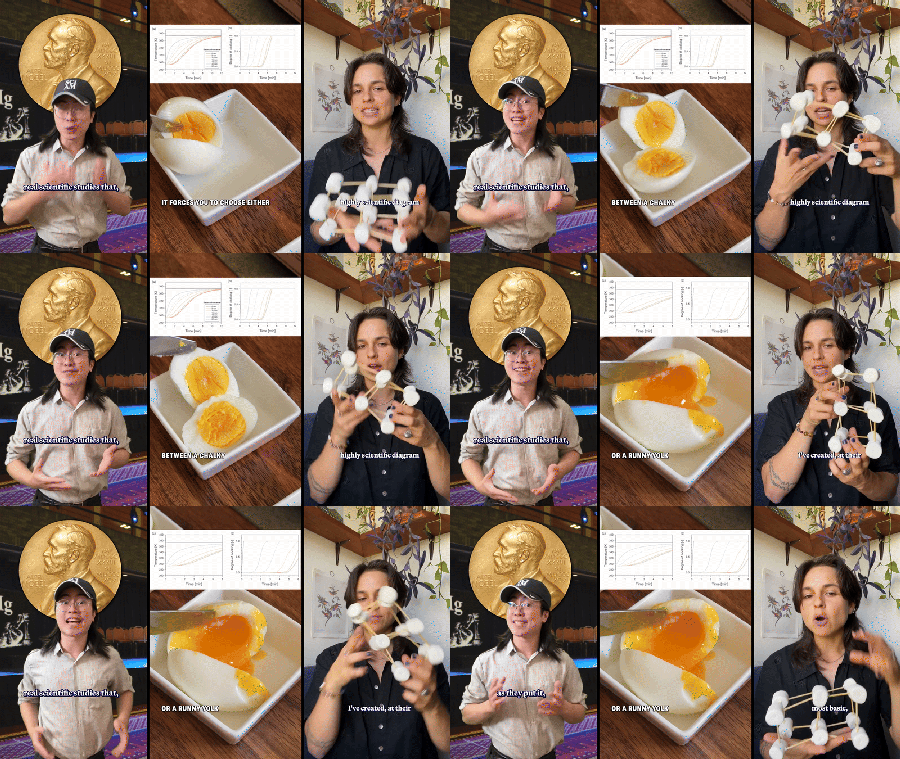
On TikTok and other short-form video platforms, Scientific American explored the underground labs of Greenland, brand-new colors and the perfect way to make eggs
Carin Leong is a documentary filmmaker based in New York. Her projects have received support from Field of Vision, the Singapore International Film Festival, IN-DOCS, and the Tribeca Film Institute. Her work has appeared in Scientific American, Hakai Magazine, and The Atlantic. She holds a master's degree in science journalism from Columbia University's Graduate School of Journalism and is also a graduate of New York University's Tisch School of the Arts.
Watch Scientific American’s Favorite Science Videos of 2025
On TikTok and other short-form video platforms, Scientific American explored the underground labs of Greenland, brand-new colors and the perfect way to make eggs
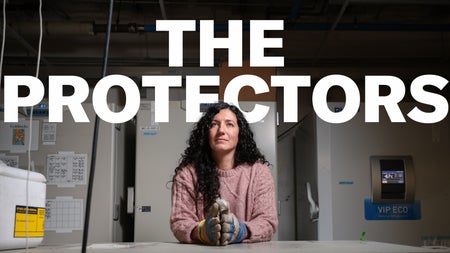
The Protectors: Inside the Desperate Rush to Save an Orca Community
As endangered southern resident killer whales fight for survival, federal funding cuts threaten the scientists working to save them.
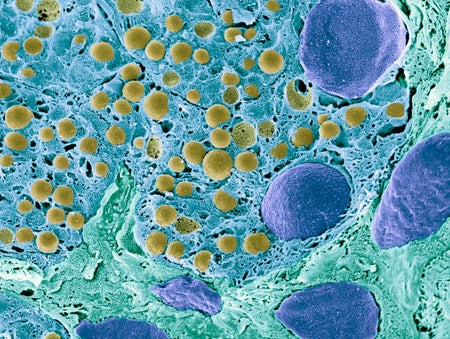
Cell Transplant Therapy Offers New Hope for Type 1 Diabetes
Scientists have successfully transplanted gene-edited insulin-producing cells into a man with type 1 diabetes—allowing him to make some of his own insulin without immunosuppressants.
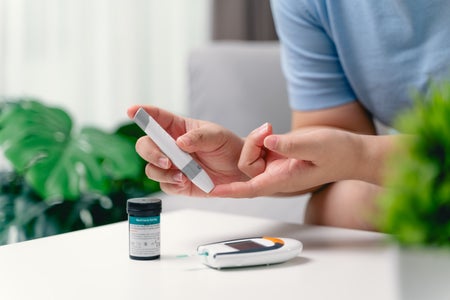
The Global Burden of Type 1 Diabetes Is Not Shared Equally
People with this autoimmune disease face much shorter life expectancies in lower-income nations.
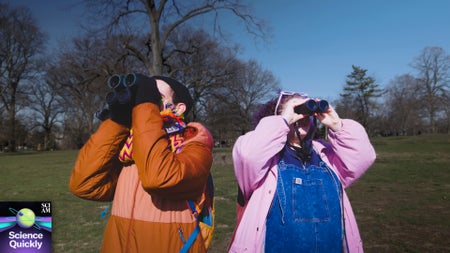
How to Find Hidden Nature in Any Urban Park Near You
Take a walk through Prospect Park with Wild NYC writer Ryan Mandelbaum and learn to connect with nature no matter how urban your environment is.
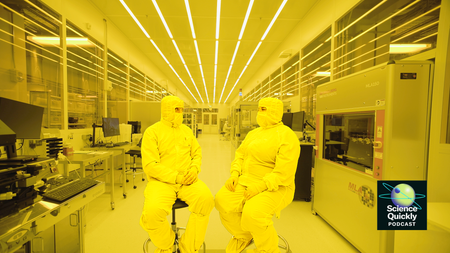
There’s Nothing Small about this Nanoscale Research
We’re taking you inside MIT.nano, a clean laboratory facility that is critical to nanoscale research, from microelectronics to medical nanotechnology.
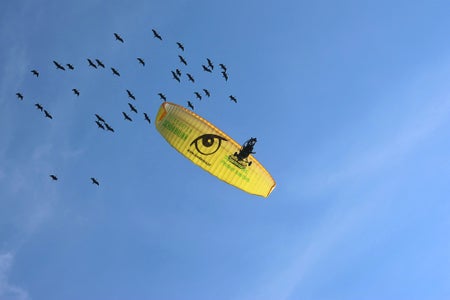
Flying Conservationists Teach Endangered Birds to Migrate
Inspired by a classic movie, conservationists are teaching endangered Northern Bald Ibises to fly south for the winter
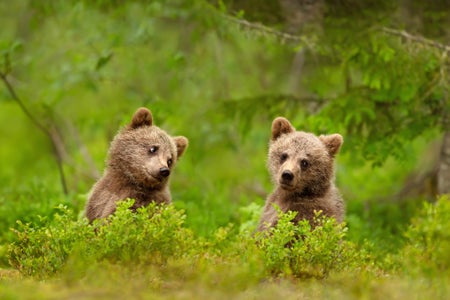
‘If Not Friend, Why Friend-Shaped?’ A Beary Scientific Investigation
Why are bears both adorable and deadly? Scientific American investigates why these apex predators are “friend-shaped”
Auroras Are on the Horizon, and Bird Flu Is on the Menu
Vaccine misinformation on social media, smartphone addiction in teens, and more are discussed in this week’s news roundup.
New IVF Test Could Increase Chances of Pregnancy Success
A noninvasive test for genetic material could predict embryo quality in IVF.
The Best Way to Use Home COVID Tests Right Now
When symptoms start, COVID tests may say you’re not infected when you really are.
The Strange and Beautiful Science of Our Lives
Nell Greenfieldboyce discusses her new book Transient and Strange, the intimacy of the essays and the science that inspired them.
Podcasts of the Year: Cleo, the Mysterious Math Menace
In 2013 a new user named Cleo took an online math forum by storm with unproved answers. Today she’s an urban legend. But who was she? A 2023 editor's pick.
Are Orcas Friends or Foes?
The stories we tell about orcas might say more about us than about them
A Small Town Waits for a Dark Matter Gold Rush
Residents of a mining town waits for economic recovery while physicists under their feet wait for answers from the universe.
Why Childhood Vaccination Rates Are Falling
Fewer kids got their routine childhood vaccines since before the pandemic. Are lack of access and a loss of trust in science to blame?
What Are Ultraprocessed Foods, and Are They Bad for You?
More than half of our diet consists of foods that have been industrially processed in some way, and they may be harmful to our health

A Popular Decongestant Doesn’t Work. What Does?
The popular decongestant phenylephrine is not effective, an FDA panel found. Here’s what to use instead.
Song of the Stars, Part 3: The Universe in all Senses
An astronomy festival in Italy opted to make all of its events and workshops multisensory. The organizers wanted to see whether sound, touch and smell can, like sight, transmit the wonders of the cosmos.
Song of the Stars, Part 2: Seeing in the Dark
A blind astronomer “sonified” the universe’s most explosive events: gamma-ray bursts. By listening to, rather than looking at, the data, she made a critical discovery and changed the field of astronomy.

Song of the Stars, Part 1: Transforming Space into Symphonies
Space is famously silent, but astronomers and musicians are increasingly turning astronomical data into sound as a way to make discoveries and inspire people who are blind or visually impaired.
Should You Get a Blood Test For Alzheimer’s?
Consumers can now get easy tests for Alzheimer’s. But these tests may not really help patients that much—yet.

The Father of Environmental Justice Reflects on the Movement He Helped to Start
Four decades into his activism, Robert Bullard looks back on his legacy and the work ahead.
Ada Limón’s Poem for Europa, Jupiter’s Smallest Galilean Moon
U.S. Poet Laureate Ada Limón discusses her involvement in NASA’s Europa Clipper mission and the inspiration behind her poem, which will travel onboard the spacecraft.