EvolutionJuly 11, 2016
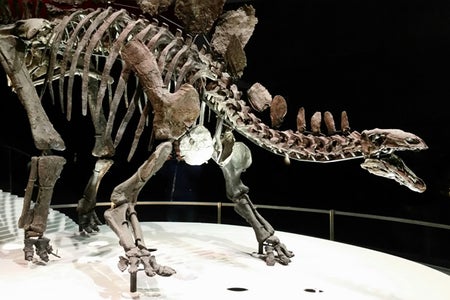
The Stegosaurus Plate Controversy
You live in the Jurassic and you've evolved giant, diamond-shaped bone plates that stick out the top of your neck, back and tail. Why, evolution, why??
Darren Naish is a science writer, technical editor and palaeozoologist (affiliated with the University of Southampton, UK). He mostly works on Cretaceous dinosaurs and pterosaurs but has an avid interest in all things tetrapod. His publications can be downloaded at darrennaish.wordpress.com. He has been blogging at Tetrapod Zoology since 2006. Check out the Tet Zoo podcast at tetzoo.com!
The Stegosaurus Plate Controversy
You live in the Jurassic and you've evolved giant, diamond-shaped bone plates that stick out the top of your neck, back and tail. Why, evolution, why??
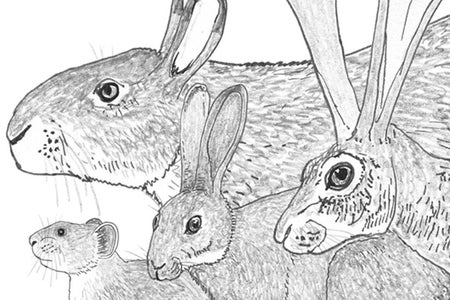
News from the World of Rabbits
In which we look at news from the world of rabbits
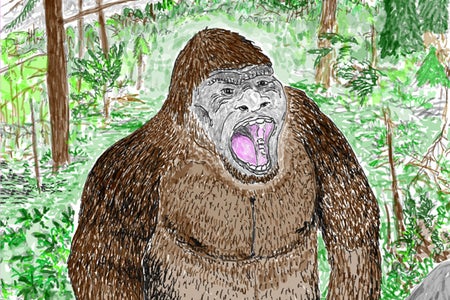
If Bigfoot Were Real
We have the Bigfoot vocalizations, we have the Bigfoot tracks, we have the Bigfoot DNA, right? Well…
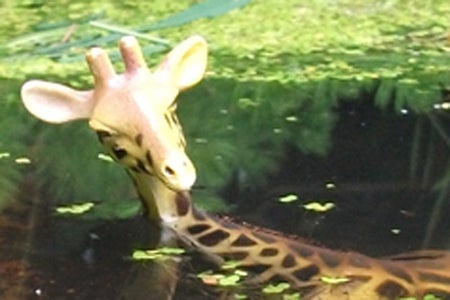
Burning Question for World Giraffe Day: Can They Swim?
A few years ago a colleague and I did an exhaustive analysis and concluded that they might—but not very well
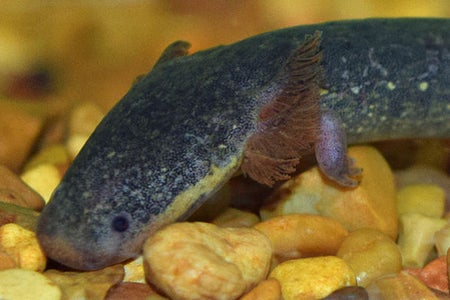
The Biology of Sirens
Sirens build nests, have beaks, eat plants and have a history of "size shuffling"--they're incredible!
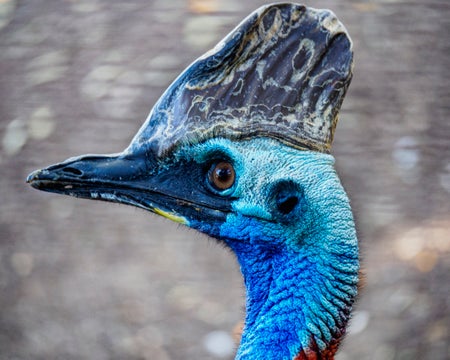
How Dangerous Are Cassowaries, Really?
Cassowaries have quite the reputation. But is it deserved? Well, no—but also yes
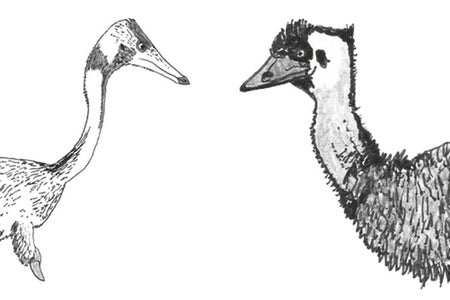
The Integrated Maniraptoran, Part 3: Feathers Did Not Evolve in an Aerodynamic Context
Once upon a time, maniraptoran dinosaurs evolved small body size and complex feathers...
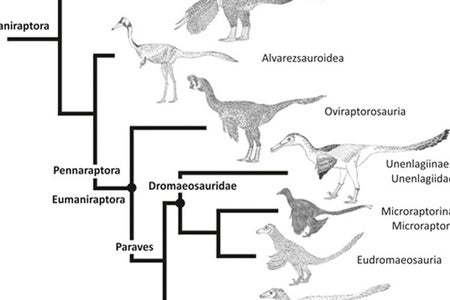
The Integrated Maniraptoran, Part 2: Meet the Maniraptorans
Of paravians, oviraptorosaurs, therizinosaurs, alvarezsaurs and more - a galaxy of bird-like, feathered dinosaurs...
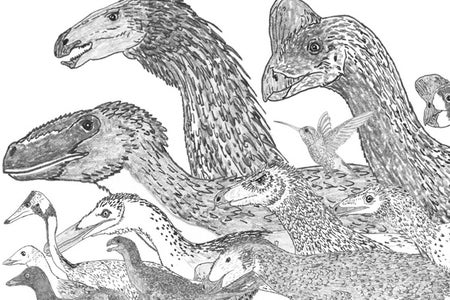
The Integrated Maniraptoran, Part 1
The evolutionary history of maniraptoran dinosaurs was complex, perhaps messy. But all is not lost...
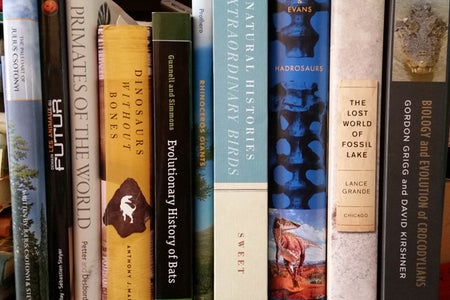
Lance Grande's The Lost World of Fossil Lake
An impressive book on a world-famous fossil locality...
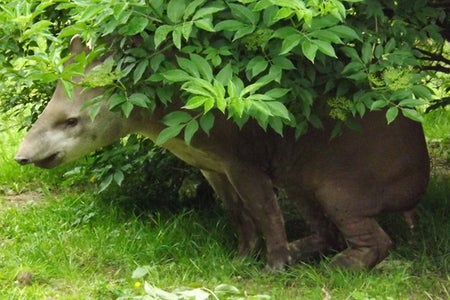
On World Tapir Day, a Quick Look at (Part of) Tapir History
Today is World Tapir Day, and once again it’s time to celebrate these fantastically charismatic perissodactyls with a few brief words
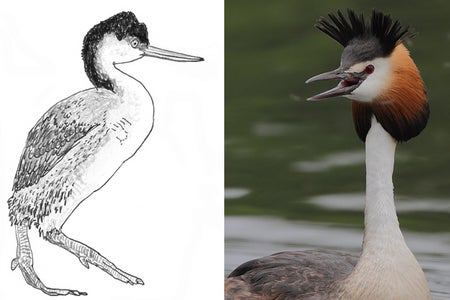
Plight of the Flightless Grebes
Together, we can help save a flightless waterbird - one of the last of its kind...
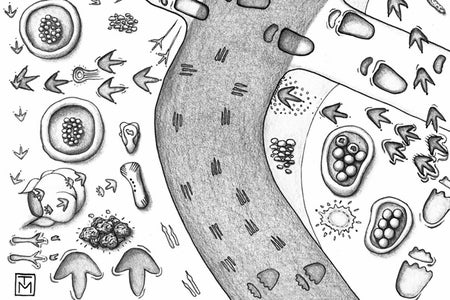
Anthony Martin's Dinosaurs Without Bones
Dinosaur tracks, droppings, feeding traces, nests and so much more -- a review of a major volume on the science of palaeoichnology...
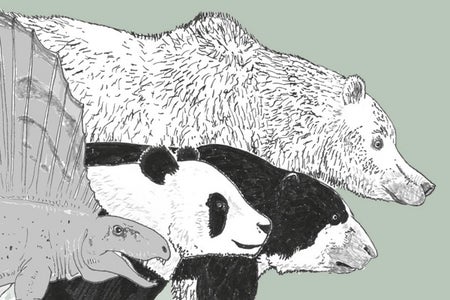
Bears in the Permian
Because biogeography happens
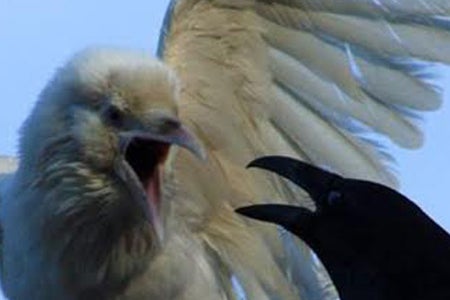
Jasper, the Leucistic Raven
Leucistic animals have it all bad—or do they?
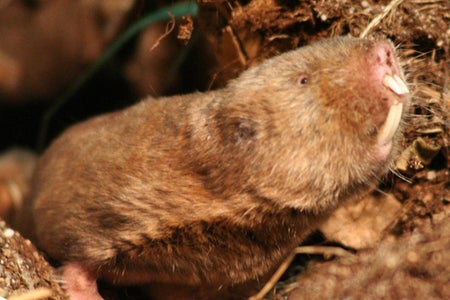
African Mole Rats: So Much More Than Just the Naked Mole Rat
An intriguing tale of colonial life, surprising phylogenetic relationships and giant protruding incisors…
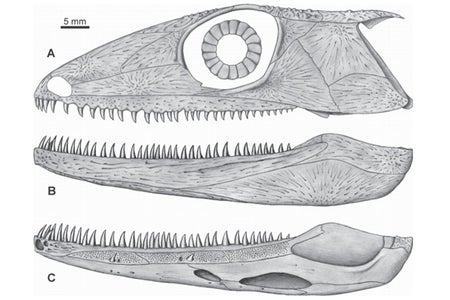
What Sort of Animal Is Gephyrostegus?
I'm glad you asked
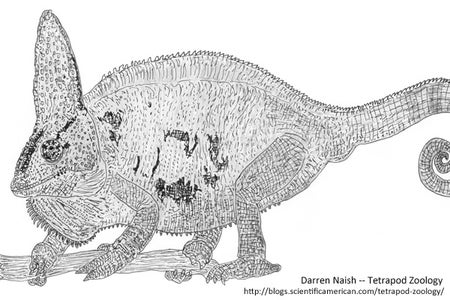
Palleon,Archaius,Kinyongia,Nadzikambia--The Last Chameleons, Part 3
In the two previous articles in this series–devoted to the living chameleons of the world–we’ve looked at the full spread of chameleon diversity (Part 1, Part 2). There are the small, short-tailed leaf chameleons and pygmy chameleons, the little heartland-dwelling African dwarf chameleons, the sometimes giant Calumma chameleons, the ornate, sometimes horned Trioceros chameleons, and so on.
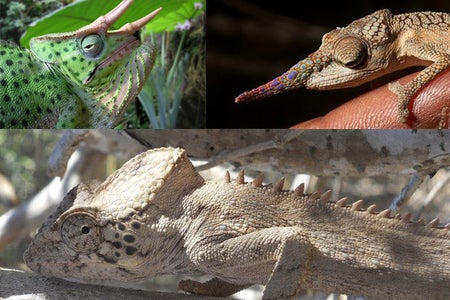
By the Horns of Trioceros, the Casque of Calumma, the Brood of Bradypodion--Chameleons, Part 2
Welcome to the second part of the ‘What’s with all these new chameleon names?’ series. In the previous article, we looked at the fact that the ‘two genera system’ widely in use prior to the 1990s started to fall apart during the 1980s; we also looked specifically at the chameleon genera Rhampholeon and Rieppeleon. This time round—surprise surprise—we look at... more chameleons
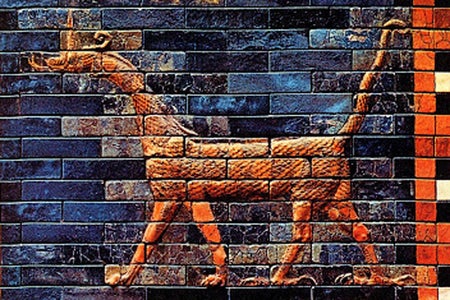
My New Book Hunting Monsters: Cryptozoology and the Reality Behind the Myths
Much of my 2015 was taken up by the writing of several books, some of which are, I’m pleased to say, due to see print in 2016. Today I’m happy to announce that the first of these is out: it’s my Arcturus book Hunting Monsters: Cryptozoology and the Reality Behind the Myths (Naish 2016)...

What's With All These New Chameleon Names?, Part 1
Chameleons* are among the most distinctive and charismatic of lizards, and a long list of anatomical features makes them unusual relative to other members of the group. Most of the sorts of things I have in mind (those grasping hands and feet, the protrusible tongue and so on) are well known. Less familiar is that chameleons are not all branch-climbing specialists with prehensile tails: the group also includes a substantial number of terrestrial, leaf- and twig-mimicking taxa, many of which are tiny
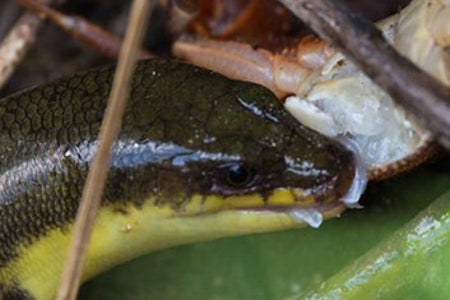
The Madagascan Skink Amphiglossus Eats Crabs
Neither stream-dwelling nor crab-eating are common behavior in lizards. Madagascar is home to a morphologically and behaviorally diverse group of skinks, and a few of those are confirmed stream-dwellers. Here I discuss a case in which biologist Asia Murphy has succeeded in photographing—perhaps for the first time—one of these stream-dwelling skinks eating crabs...
Tetrapod Zoology 10th-Birthday Extravaganza, Part 4: Looking Back at a Decade of Tetrapod Zoology
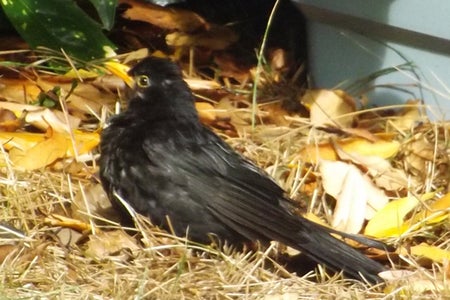
Some days ago (January 21st 2016), Tet Zoo reached its 10th birthday. You might have heard this already, sorry for going on about it. Here, in the last of a whole series of birthday-themed articles, I look back at the ups and downs of ten years of blogging, consider the impact of Tet Zoo – if there is such a thing – and present musings on what has been, what is, and what will be. Why the adjacent photo of a Blackbird Turdus merula? Because, as usual, why not.
Tetrapod Zoology 10th-Birthday Extravaganza, Part 3: Tet Zoo's Tetrapod Treatment in 2015
Welcome to the third of the Tet Zoo 10th-birthday articles. Yes, I’m doing a whole month of looking back at 10 years of blogging (part 1 here, part 2 here). In the previous articles we looked back at the various Tet Zoo–relevant things that happened during 2015. This time round we review subject coverage on the blog, an interesting (and frustrating) topic that I always feel warrants annual review. Much of this will make sense—or be somewhat familiar—if you’re a regular reader, or at least if you stop in at Tet Zoo on occasion