
HealthSeptember 3, 2015
Racial Gap in Kidney Transplants Combated by Policy Changes
Blacks and whites on the transplant list are finally getting the organs at equal rates, although fewer blacks may make it onto the lists to begin with
Dina Fine Maron, formerly an associate editor at Scientific American, is now a wildlife trade investigative reporter at National Geographic.
Racial Gap in Kidney Transplants Combated by Policy Changes
Blacks and whites on the transplant list are finally getting the organs at equal rates, although fewer blacks may make it onto the lists to begin with

Mediterranean Eating Habits Prove Good for the Brain
A Mediterranean-style diet may slow memory loss, even if adopted late in life
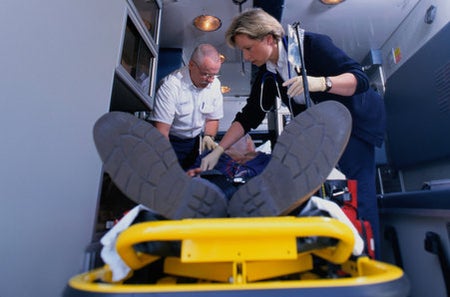
Fake Weed Leads to a Real Drug Crisis
Synthetic marijuana is cheap, widespread, hard to track and highly toxic
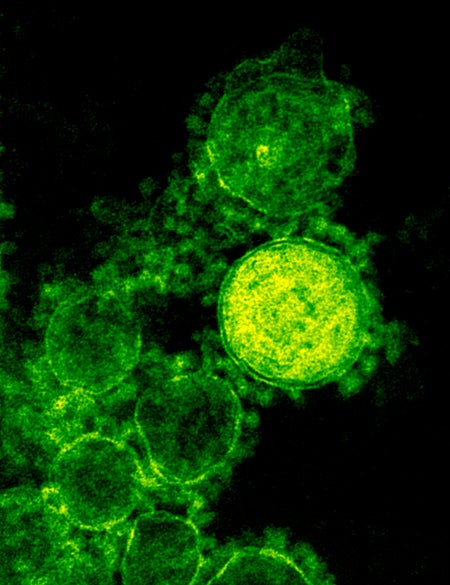
Vaccine against Middle East Mystery Disease Shows Promise
MERS inoculation triggers response in monkeys and camels, raising hopes for future human use

Fact or Fiction?: "Fat Letters" Help Kids Lose Weight
Schools are grading children’s body masses, but the data on such programs is scant

Can You Lose Weight with Exercise Alone?
Despite the implications of a new nonprofit funded by Coke, reams of evidence point to an unequivocal answer
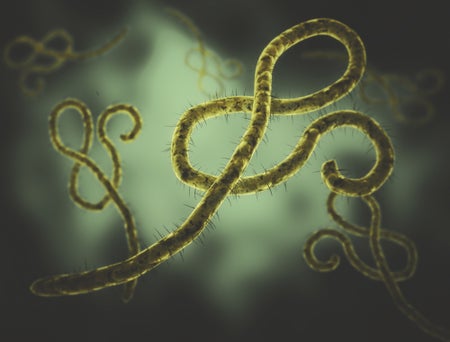
Thousands of Ebola Survivors Face Persistent Joint Pain and Other Problems
New findings are informing how to care for Ebola survivors and their communities

Your Medical Records May Unlock Disease Secrets for All
Electronic health data, long touted as a way to inject new life into patient recruitment, will finally be put to the test with clinical trials
Does This Ebola Vaccine Herald the End of the Virus?
An expert weighs in on what the promising study results will mean for future outbreaks
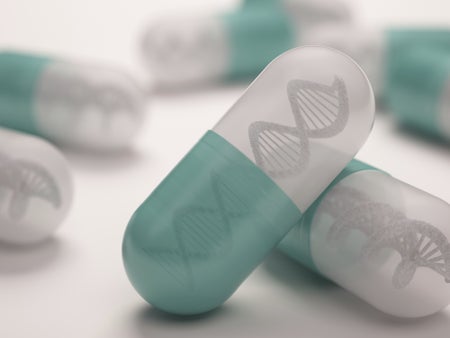
Veteran Genome Project Serves as an Early Test Bed for Customized Care
The VA's four-year-old initiative includes thousands of DNA sequences along with a dose of privacy know-how
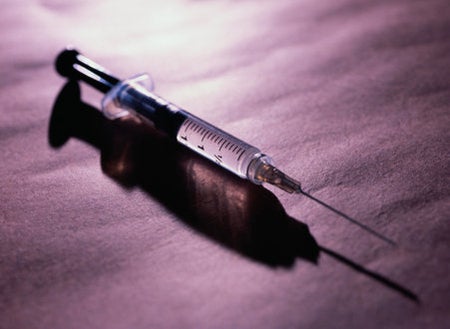
Supreme Court Decision Aside, Lethal Injection Looks Increasingly Unsustainable
Pharma companies—and maybe, eventually, the Supreme Court—will ensure that it only becomes harder to execute people with drugs in America

Fungus Used to Quash Cancer-Causing Toxin
Combating chemical poison aflatoxin hinges on boosting fungal growth on African crops

The Anesthesia Dilemma
Researchers are trying to determine if chemicals used to knock out young children during surgery can have long-term repercussions on memory and development

Supreme Court Protects Health Care Tax Subsidies for Millions of Americans
In a 6–3 decision, the high court ruled in favor of the Obama administration and the status quo

Why Do Graveyard Shifts Wreak Havoc on Human Metabolism?
By getting volunteers to live in a sleep lab for more than a month, researchers hope to unravel the effects of chronic sleep debt and circadian rhythm gone awry

Surprising Approach to STDs Allows Prescription Drugs for Sexual Partners
Sending people home with meds for their bedmates gets results but raises questions about drug resistance

Has Maternal Mortality Really Doubled in the U.S.?
Statistics have suggested a sharp increase in the number of American women dying as a complication of pregnancy since the late 1980s, but a closer look at the data hints that all is not as it seems
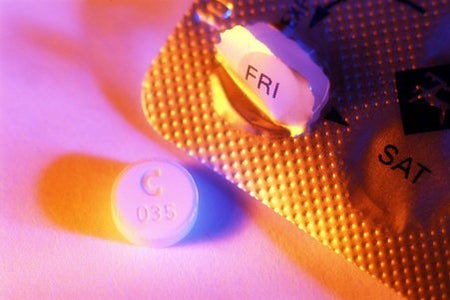
The Myth of "Female Viagra"
The libido-enhancing drug approved by an FDA advisory panel acts slowly on the brain to increase desire—not quickly on the mechanics of the sexual act

Why the Supreme Court's Upcoming Obamacare Ruling Matters
If the administration loses, the elimination of federal subsidies to many states would boost health care costs for all
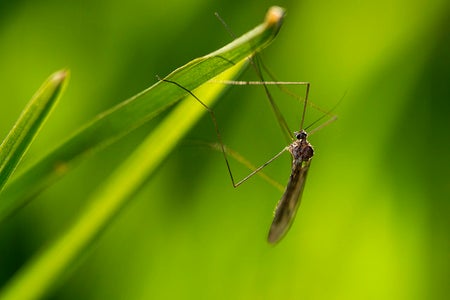
How to Stop Dengue [Video]
Infecting mosquitoes with a common bacterium might be the best tool available for fighting “breakbone fever”
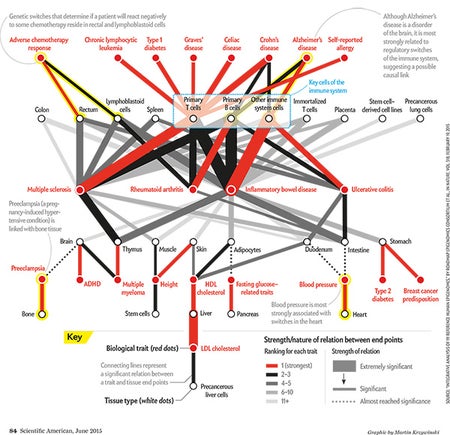
A Road Map to the "Volume Control" of Genes
Genes, traits and disease are linked in complex and surprising ways

CSI: Middle Pleistocene
Skull fragments dating back 430,000 years appear to be those of the world's first known murder victim, based on the damage observed. Dina Maron reports

Fact or Fiction?: A "Base Tan" Can Protect against Sunburn
Studies of sunshine-denied human buttocks help settle the matter
Octopus Skin Senses Light, No Eyes or Brain Needed
The skin of a California octopus species has a molecular light-sensing mechanism that allows it to change color to match its surroundings with no input from the creature's eyes or brain. Dina Fine Maron reports