OpinionNovember 7, 2024
We Need Scientific Brainstorming about Shared Global Dangers
It is difficult to disentangle Russian and Chinese scientists from international science cooperation. That is a good thing
Frank N. von Hippel is a senior research physicist and professor of public and international affairs emeritus with Princeton's Program on Science and Global Security. He is a member of the Steering Committee of the Physicists Coalition for Nuclear Threat Reduction.
We Need Scientific Brainstorming about Shared Global Dangers
It is difficult to disentangle Russian and Chinese scientists from international science cooperation. That is a good thing

We Must Prevent a New Nuclear Arms Race
Smart U.S. leadership and international pressure on Russia can prevent an unconstrained global nuclear arms race

Scientists Must Rise in Defense of Democracy
Now is the moment to act so that we never have to experience an authoritarian version of the U.S.
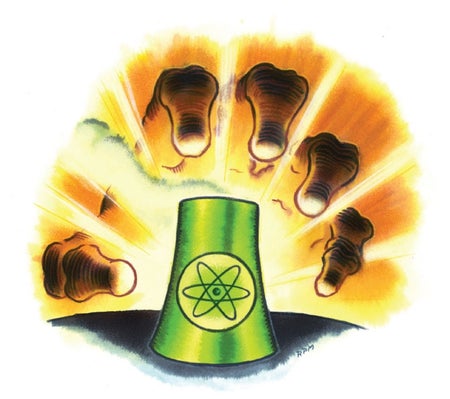
Chernobyl Didn't Kill Nuclear Power
The accident was just one factor that makes it a hard sell to fight climate change

Time to Ban Production of Nuclear Weapons Material
A new global treaty that cuts off production of plutonium and highly enriched uranium for nuclear weapons could jump-start nuclear disarmament and help prevent proliferation
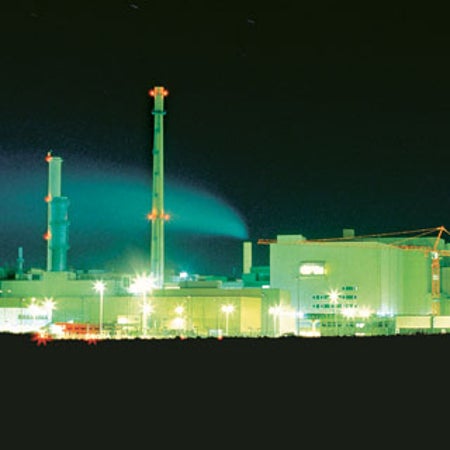
Rethinking Nuclear Fuel Recycling
Plans are afoot to reuse spent reactor fuel in the U.S. But the advantages of the scheme pale in comparison with its dangers
Taking Nuclear Weapons off Hair-Trigger Alert
It is time to end the practice of keeping nuclear missiles constantly ready to fire. This change would greatly reduce the possibility of a mistaken launch
Eliminating Nuclear Warheads
More than 50,000 nuclear weapons may be decommissioned during the next 10years. Their disposal requires both technical and political innovations
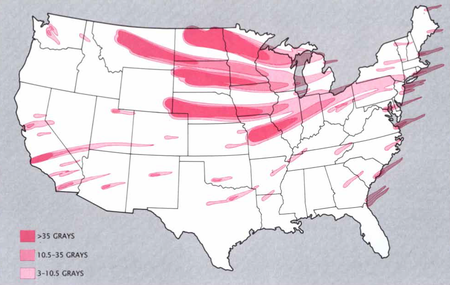
Civilian Casualties from Counterforce Attacks
New estimates of the number of civilian deaths resulting from nuclear attacks by one superpower on the strategic forces of the other further undermine the rationale for such attacks
Stopping the Production of Fissile Materials for Weapons
A halt in producing the essential ingredients of nuclear weapons would be easy to verify. It could therefore contribute to tighter control over the amount of weaponry in the superpowers' arsenals
The Fuel Economy of Light Vehicles
As domestic oil production decreases, cars with better fuel economy become more attractive. By 1995 it should be possible without major innovations to have fuel economies of more than 60 miles per gallon
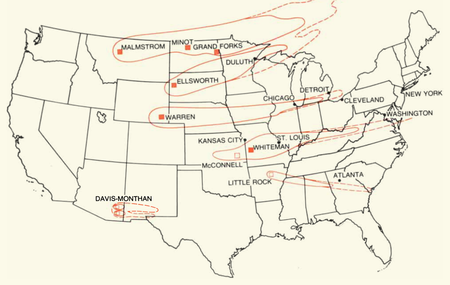
Limited Nuclear War
The U.S. may be committing itself to preparing for a war limited to attacks on military bases, with relatively few civilian casualties. Would the casualties really be few, and could the war stay limited?