OpinionSeptember 26, 2023
Does the First Amendment Confer a ‘Right to Compute’? The Future of AI May Depend on It
We need to figure out if there is a constitutional right to compute
John Villasenor is professor of law and electrical engineering at the University of California, Los Angeles, and a nonresident senior fellow at the Brookings Institution.
Does the First Amendment Confer a ‘Right to Compute’? The Future of AI May Depend on It
We need to figure out if there is a constitutional right to compute
How ChatGPT Can Improve Education, Not Threaten It
A professor explains why he is allowing students to incorporate ChatGPT into their writing process instead of banning the new technology

Why Patents and Copyright Protections Are More Important Than Ever
Don’t listen to pundits who say the intellectual property system has outlived its usefulness. It needs to be updated, not abolished
A Hacker-Ready Chip
Researchers discover a dangerous weakness in computer hardware
Researchers Discover Hacker-Ready Computer Chips
What Is a Drone, Anyway?
High-Altitude Surveillance Drones: Coming to a Sky Near You
Why the Supreme Court GPS Decision Won't Stop Warrantless Digital Surveillance
New technologies will let location-tracking efforts begin after the fact
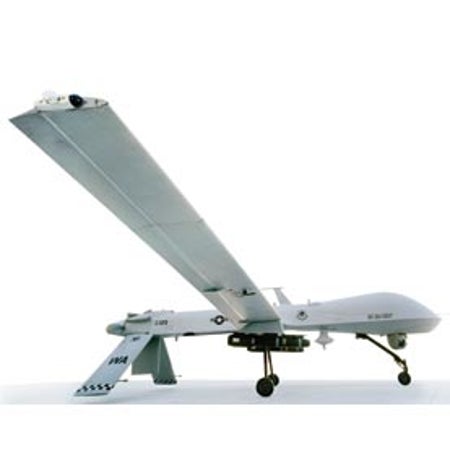
Here Come the Drones
These popular, unmanned aircraft will eventually fall into the hands of hostile nations and terrorists
The Drone Threat to Privacy
In a world in which nearly anyone can purchase a device capable of photographing locations behind walls, gates and fences, will anyone be able to keep a secret?
The Drone Threat to National Security
Continued advances in unmanned aerial vehicle technology have profound implications regarding the nature of modern warfare
Supreme Court Considers GPS Cases and the Future of Privacy
The Hacker in Your Hardware: The Next Security Threat
As if software viruses weren't bad enough, the microchips that power every aspect of our digital world are vulnerable to tampering in the factory. The consequences could be dire
Configurable Computing
Computers that modify their hardware circuits as they operate are opening a new era in computer design. Because they can filter data rapidly, they excel at pattern recognition, image processing and encryption