BehaviorOctober 5, 2021
How Pandemic Life Mimicked Pioneer Times
Sourdough, seeds, shovels and other basic survival needs made a comeback
Lydia Denworth is a Brooklyn, N.Y.–based science writer and was a contributing editor for Scientific American. She wrote about the neuroscience of stuttering in Scientific American’s August 2021 issue. She is co-author of Parent Nation.
How Pandemic Life Mimicked Pioneer Times
Sourdough, seeds, shovels and other basic survival needs made a comeback
Making Eye Contact Signals a New Turn in a Conversation
Neuroscientists have uncovered an intriguing subtlety in how we communicate—that is, when we’re not on Zoom

Stuttering Stems from Problems in Brain Wiring, Not Personalities
Poor neural connections among areas that control movement and speech may be responsible and could be driven by genes
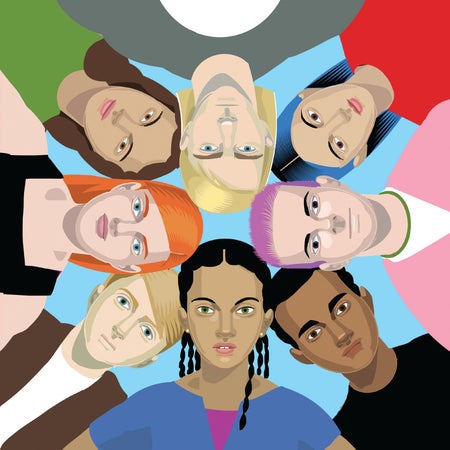
Adolescent Brains Are Wired to Want Status and Respect: That’s an Opportunity for Teachers and Parents
Advances in neuroscience and psychology could lead to real-world benefits in education and mental health

What Monkeys Can Teach Humans about Resilience after Disaster
Following Hurricane Maria, a Puerto Rican colony of rhesus macaques broadened their social networks. Could humans do the same post-COVID?
Conservative and Liberal Brains Might Have Some Real Differences
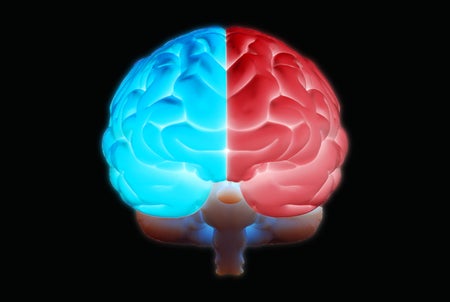
Scanners try to watch the red-blue divide play out underneath the skull
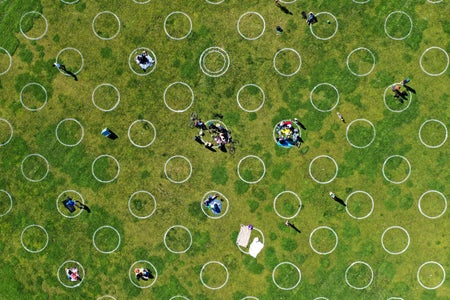
Overcoming Psychological Biases Is the Best Treatment against COVID-19 Yet
In responding to the pandemic, society may be hampered by cognitive and political beliefs that distort judgments and lead to irrational decisions

The Biggest Psychological Experiment in History Is Running Now
What can the pandemic teach us about how people respond to adversity?

A Civil Rights Expert Explains the Social Science of Police Racism
Columbia University attorney Alexis J. Hoag discusses the history of how we got to this point and the ways that researchers can help reduce bias against black Americans throughout the legal system

How the COVID-19 Pandemic Could End
Recent epidemics provide clues to ways the current crisis could stop

Masks Reveal New Social Norms: What a Difference a Plague Makes
A 120-nanometer virus makes face coverings de rigueur in places where they were once shunned or against the law

How People with Autism Forge Friendships
Most autistic individuals want to and can make friends, though their relationships often have a distinctive quality

The Loneliness of the “Social Distancer” Triggers Brain Cravings Akin to Hunger
A study on isolation’s neural underpinnings implies many may feel literally “starved” for contact amid the COVID-19 pandemic
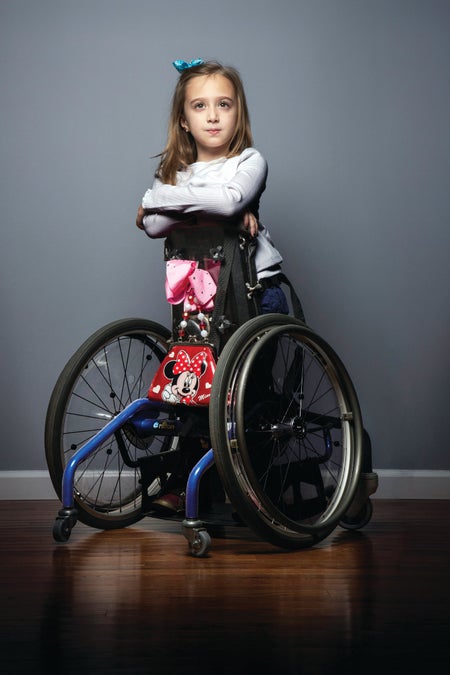
A Breakthrough in Genetic Medicine for Rare Diseases
A long-disdained therapy that targets RNA is suddenly achieving spectacular success

Social Media Has Not Destroyed a Generation
New findings suggest angst over the technology is misplaced
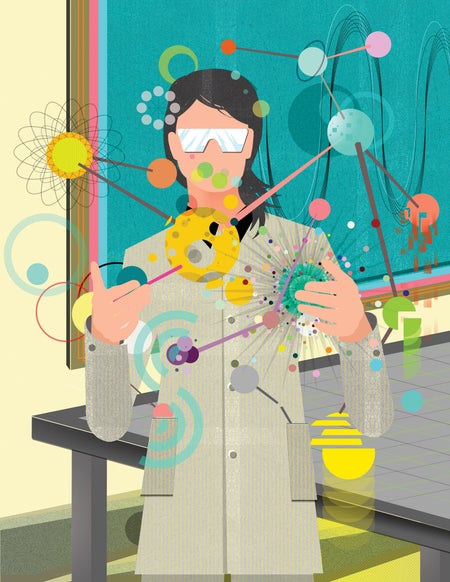
The Significant Problem of P Values
Standard scientific methods are under fire. Will anything change?

New Insights into Self-Insight: More May Not Be Better
An innovative study technique yields surprising results that counter the popular idea that knowing yourself is good for you
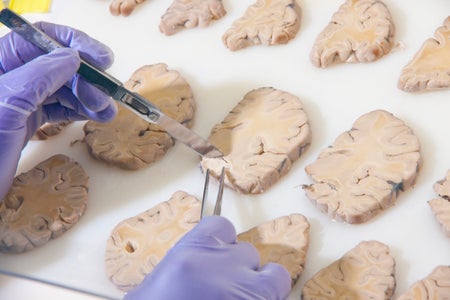
Scientists Start Building a Parts List for the Brain
A new study provides an extraordinary close-up of the menagerie of neural cell types, yielding possible leads for neurological and psychiatric treatments

Debate Arises over Teaching “Growth Mindsets” to Motivate Students
Research shows conflicting data on the impact of the intervention, but a major new study confirms it can work

“Awakenings” in Advanced Dementia Patients Hint at Untapped Brain Reserves
Numerous reports documenting lucid moments at the end of life spur Alzheimer’s researchers to explore the phenomenon

“Missing” Wallets with More Cash Are More Likely to Be Returned
A massive global study with 17,000 planted wallets found similar patterns among most of the 40 countries involved
Brain-Controlled Hearing Aids Could Cut through Crowd Noise
A prototype detects whom you are listening to and amplifies only that speaker’s voice; a potential solution to the “cocktail party problem”
Children Change Their Parents’ Minds about Climate Change
Study of students schooled on the issue showed them going on to shift their elders’ attitudes

“Hyperscans” Show How Brains Sync as People Interact
Social neuroscientists ask what happens at the level of neurons when you tell someone a story or a group watches movies