EnergyApril 1, 2021
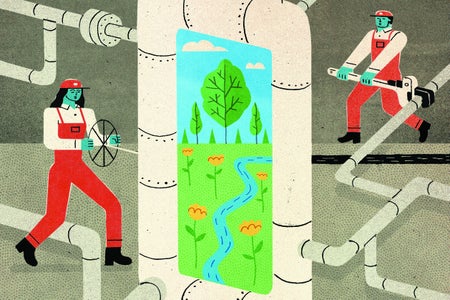
Can Natural Gas Be Part of a Low-Carbon Future?
A sweeping overhaul could make the gas system a much cleaner energy source
Michael E. Webber is a professor of energy resources at the University of Texas at Austin and head of the Webber Energy Group there. He is also chief science and technology officer at ENGIE, a global energy and infrastructure firm in Paris that operates the world's largest independent electricity company as well as large natural gas networks.
Can Natural Gas Be Part of a Low-Carbon Future?
A sweeping overhaul could make the gas system a much cleaner energy source
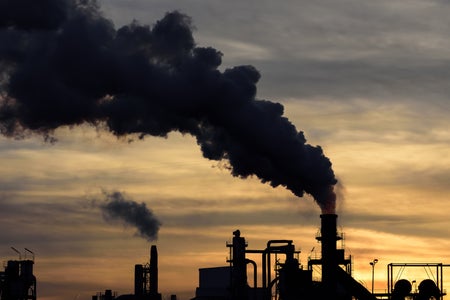
The Carbon Dioxide We Dump into the Sky Is Just Another Kind of Garbage
We should clean it up as we do ordinary trash—and it wouldn’t cost much more
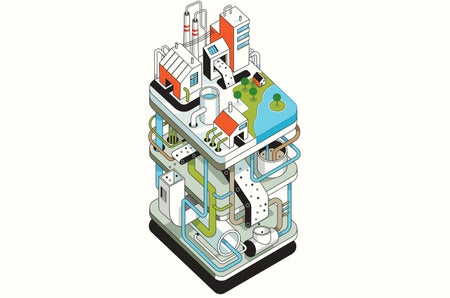
Sustainable Cities Put Waste to Work
Transforming costly wastes into valuable resources can make cities highly efficient

Stop Flushing Water Down the Drain [Excerpt]
A mechanical engineer explains how reusing wastewater at the town and even household levels can save both water and energy

Climate Change Low among Our Keystone Pipeline Concerns
A big battle over the Keystone XL pipeline is under way in Washington, D.C. But, it’s mostly fought on terms that don’t matter to the American people

Energy, Water and Food Problems Must Be Solved Together
Our future rides on our ability to integrate how we use these three commodities

How to Make the Food System More Energy Efficient
Changes in agriculture, policy and personal behaviors can reduce the energy a nation uses to feed itself and the greenhouse gases it emits
More Efficient Foods, Less Waste
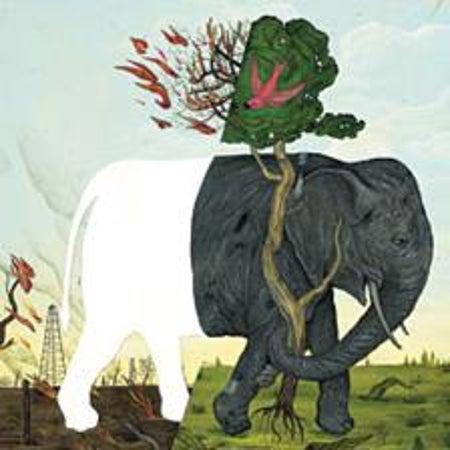
What Comes Next: Experts Predict the Future
The flip side to every ending is a new beginning. We asked the visionary scientists on our advisory board what new trends will shape the decades to come
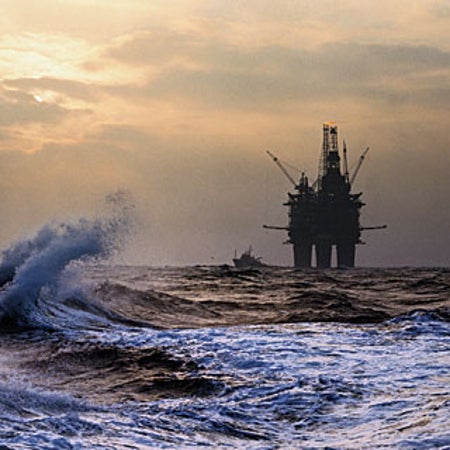
Energy versus Water: Solving Both Crises Together
Water is needed to generate energy. Energy is needed to deliver water. Both resources are limiting the other—and both may be running short. Is there a way out?