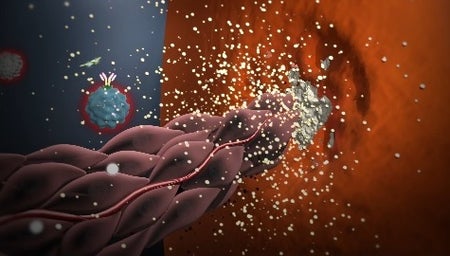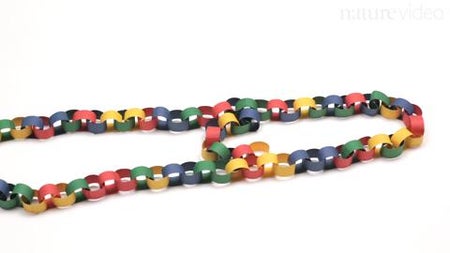
This animation explores progress in the development of oral anticoagulants that target components of the blood coagulation cascade to inhibit blood clotting in high-risk patients.
This article was reproduced with permission and was first published on January 28, 2016. It is produced by Nature Video withNature Reviews Cardiology and Nature Reviews Drug Discovery.
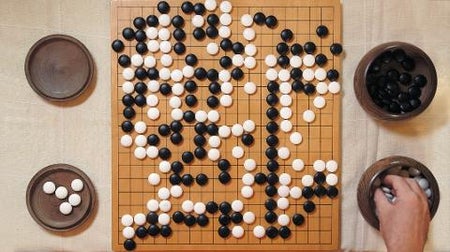
Google-owned company DeepMind have created an artificial intelligence which can beat a professional at the ancient Chinese boardgame of Go - a feat thought to be a decade away.
This article was reproduced with permission and was first published on January 27, 2016. It is a Nature Video production.
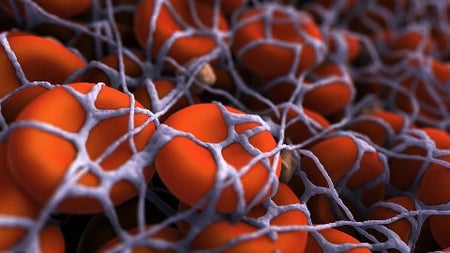
This animation guides us through the immune pathways involved in the disease, from the first signs of self-reactive immune cells to joint damage and other symptoms.
This article was reproduced with permission and was first published on January 25, 2016. It is a Nature Video production.
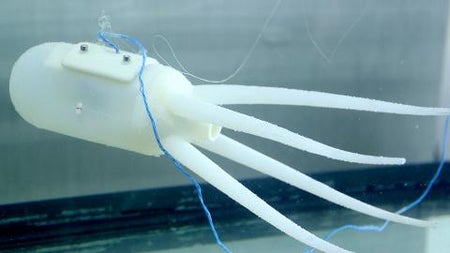
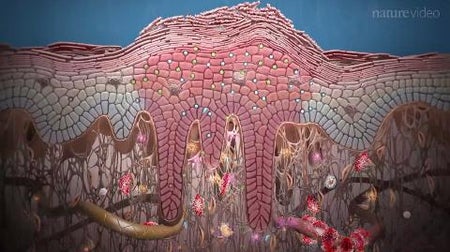
Psoriasis is a chronic inflammatory skin disorder that affects about 2-3% of the population. It is triggered by the immune system, and new insights into immune processes have thrown up a number of exciting drug targets.
This article was first published by Nature Reviews Drug Discovery, which has full responsibility for all editorial content. It is a NatureVideo production and was reproduced with permission. The editorial advisor is Manfred Kopf; animation by Arkitek Scientific. This content is editorially independent of sponsors.
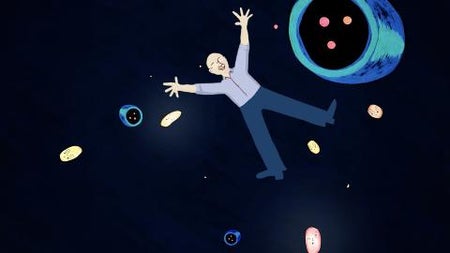
Superclusters – regions of space that are densely packed with galaxies – are the biggest structures in the Universe. But where does one end and another begin? And where are we in the picture?
This article was reproduced with permission and was first published on September 3, 2014. It is a Nature Video production.
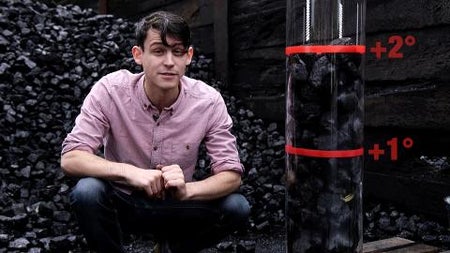
What will a world that is a few degrees hotter look like? As negotiators gather in Paris, reporter Adam Levy investigates some of the effects that temperature changes will have on our planet.
This article was reproduced with permission and was first published on November 20, 2015. It is a Nature Video production.
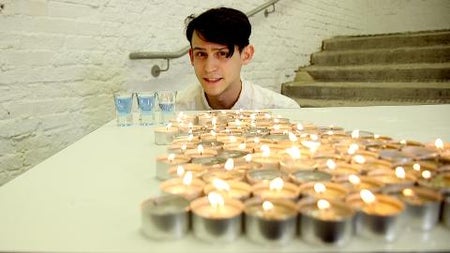
World leaders will soon meet in Paris, tasked with stopping the world from heating up by more than 2 degrees. Nature Video investigates the basis of this limit, and how much carbon we can burn before we reach it.
This article was reproduced with permission and was first published on November 19, 2015. It is a Nature Video production.
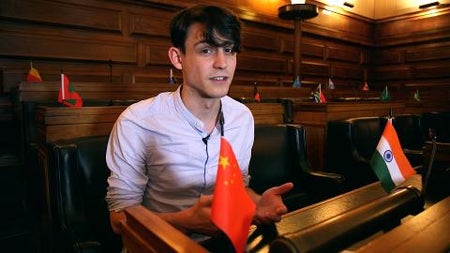
The Paris climate talks are nearly upon us, and the world’s nations are gathering to hammer out a deal. But how do you get an agreement that everyone will sign up to?
This article was reproduced with permission and was first published on November 23, 2015. It is a Nature Video production.
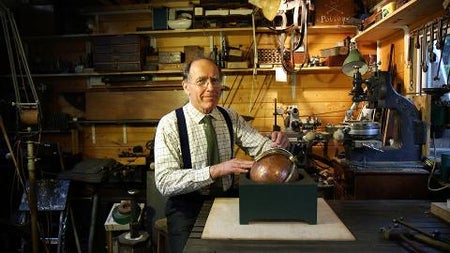
In his West London workshop, Michael Wright builds ancient mechanisms. In this Nature Video, we see his latest contraption, the sphere of Archimedes. Based on little more than ancient Greek texts, Wright has built this speculative machine to model the movements of the planets.
This article was reproduced with permission and was first published on September 25, 2015. It is a Nature Video production.
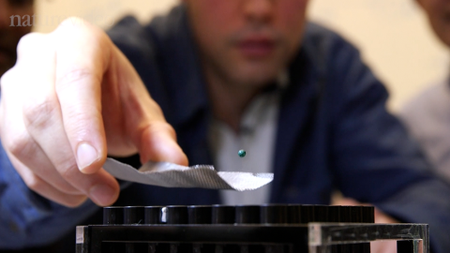
Nature Video finds out how to levitate objects using sound waves. Scientists can float objects in mid-air, using just the power of sound. Now, using ultrasonic speakers, they can levitate things with more control than ever before, moving small objects in three dimensions even with the whole array turned upside down. They have also developed virtual ‘holograms’ to visualise how the shapes made by the sound waves can ‘grab’ objects.
This article was reproduced with permission and was first published on Oct 27, 2015. It is a Nature Video production.
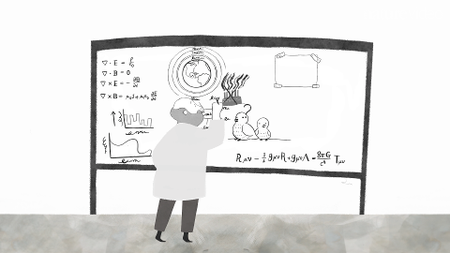
Radioastronomer Robert Wilson recalls a pair of pigeons who almost thwarted the discovery of cosmic background radiation. Wilson’s discovery—“the echo of the big bang”—earned him a share of the 1978 Nobel Prize in Physics.
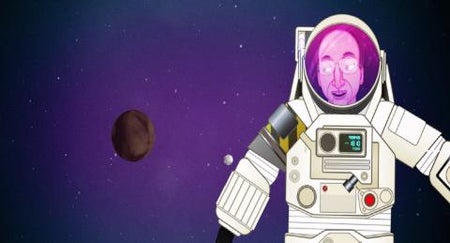
This is the story of the evolution of life on earth during one photon’s journey across the universe. Told by Saul Perlmutter who shared the 2011 Nobel Prize in physics for the discovery of the accelerating expansion of the universe.
How to break a fundamental law of physics and win a Nobel Prize to boot. Stefan Hell explains super-resolved fluorescence microscopy for which he shared the 2014 Nobel Prize in Chemistry.
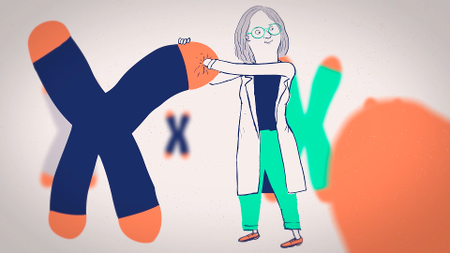
From jellyfish to ants, all life is beautiful in the eyes of Elizabeth Blackburn, co-winner of the 2009 Nobel Prize in Physiology or Medicine. She talks about her fascination with living things and the discovery of telomerase and telomeres.
Recorded at the 65th Lindau Nobel Laureate Meeting and produced with support from Mars, Inc.
Where do we stand after four decades of cancer research? an someone be cured of the AIDS virus? Nature Video examined this question during this summer's Lindau Nobel Laureate Meeting, which brought early-career biologists together with Nobel Prize–winners
Nature Video presents four short films and an overview trailer on this summer's Lindau Nobel Laureate Meeting, which brought early-career biologists together with Nobel Prize–winners