The UniverseNovember 15, 2024
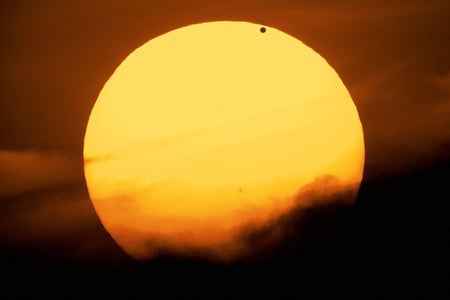
What’s the Roundest Object in the Universe?
Finding a perfect sphere is actually pretty difficult
Phil Plait is a professional astronomer and science communicator in Virginia. His column for Scientific American, The Universe, covers all things space. He writes the Bad Astronomy Newsletter. Follow him online.
What’s the Roundest Object in the Universe?
Finding a perfect sphere is actually pretty difficult
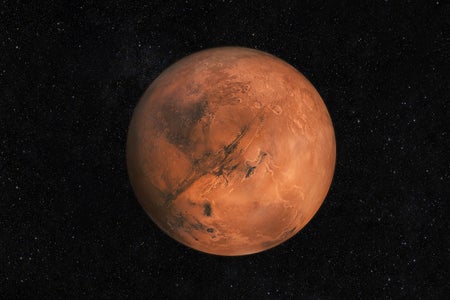
Happy New Year! (If You’re a Martian)
The Martian new year arrives with the Red Planet’s vernal equinox. Explaining why requires a deep dive into celestial mechanics and Earth’s calendrical history
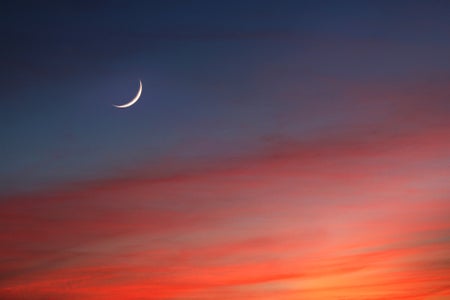
The Three Types of Twilight
At dusk and dawn, the sky dances with three phases of in-between light
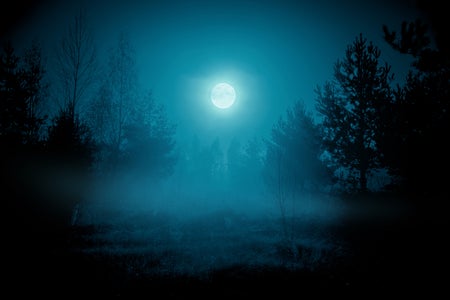
Treat or Trick? Astronomical Objects Are Beautiful—And Creepy
If you’ve ever seen faces in clouds, these heavenly entities will leave you haunted
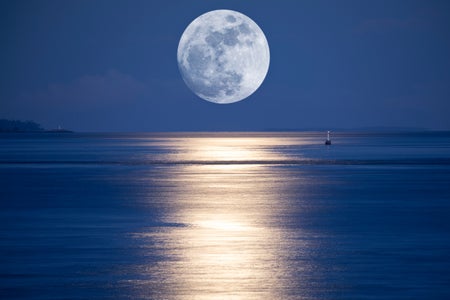
Why Does the Moon Look Bigger Near the Horizon?
The rising moon looks huge on the horizon, but it’s all in your head
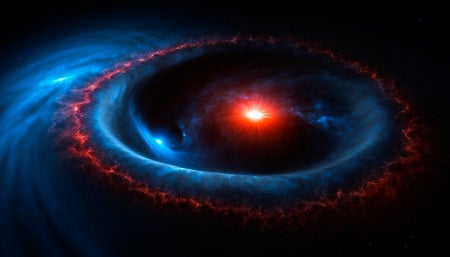
A ‘Once-in-a-Lifetime’ Nova Explosion Is Running Late
The famous exploding star T Coronae Borealis is due to detonate any day now, but it’s running a little late
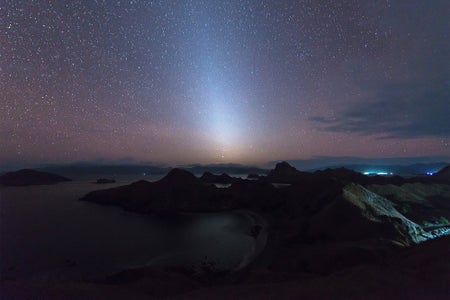
How Dark Is the Night Sky?
The night sky isn’t perfectly dark—instead it glows faintly, and the source isn’t exactly local
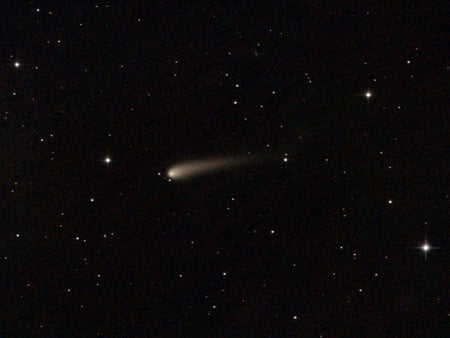
Will This Comet Be the Brightest of 2024?
Comet C/2023 A3 (Tsuchinshan-ATLAS) could soon shine very bright in Earth’s skies
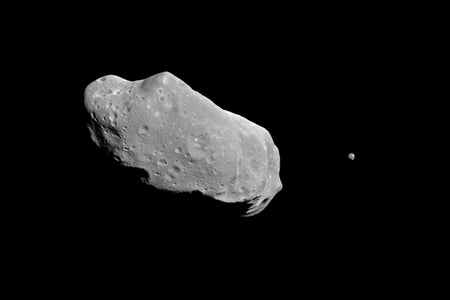
Why Do So Many Tiny Asteroids Have Moons?
Scientists are putting a new spin on the creation of binary asteroids
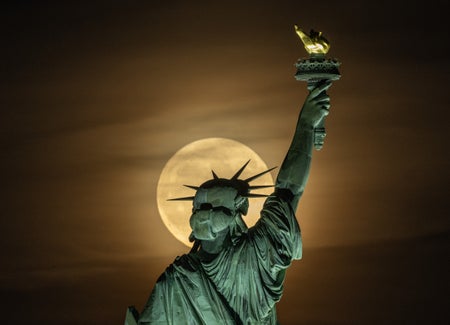
There’s Nothing ‘Super’ about a Supermoon
Supermoons are popular in the media, but are they really so different from how our extraordinary moon ordinarily appears?
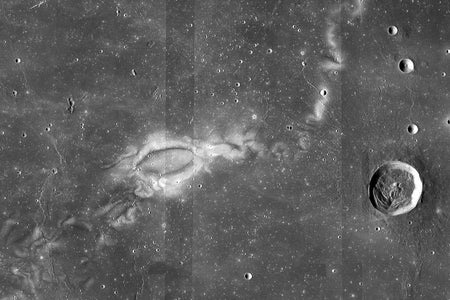
Shields Up! Lunar Swirls Arise from Ancient Underground Force Fields on the Moon
Wispy whorls on the moon’s surface are as lovely as they are strange. Scientists are starting to unravel their origins
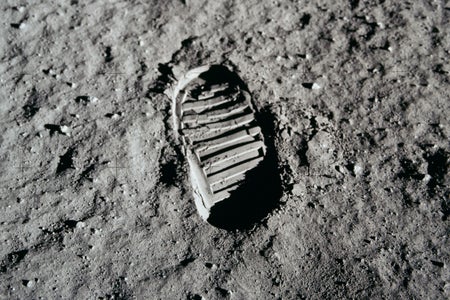
Can a Telescope See Astronauts’ Boot Prints on the Moon?
Even Earth’s mightiest telescopes aren’t up to the task of imaging Apollo lunar landing sites. A lack of resolution is the biggest reason why
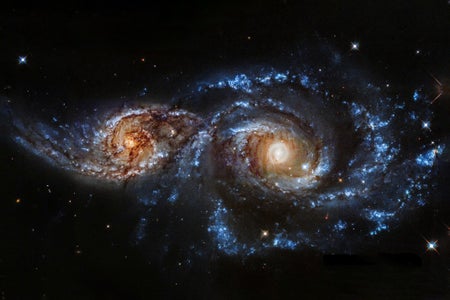
Will the Milky Way and Andromeda Galaxies Ever Collide?
Andromeda and the Milky Way may collide, or they may safely swing past each other. Time will tell
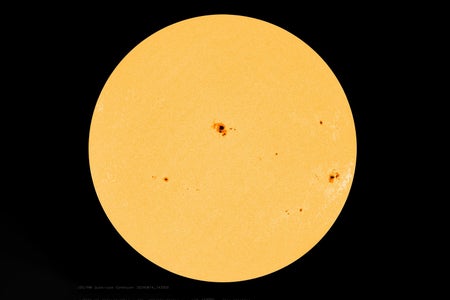
How to See Sunspots with Your Own Eyes
Surging solar activity means enormous sunspots are in the space-weather forecast. Here’s how to view them safely
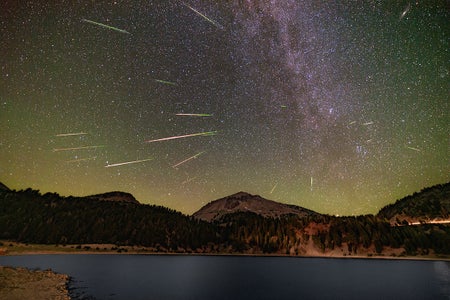
Perseid Meteor Shower Joins Stunning Mars and Jupiter Conjunction
Early risers get a double sky treat: a Mars and Jupiter conjunction and the Perseid meteor shower will occur at once

No, You Can’t See the Great Wall of China from Space
Reports of Earth-orbiting astronauts glimpsing the Great Wall of China and many other artificial structures are wildly exaggerated, but humanity’s planetary influence isn’t entirely invisible from afar
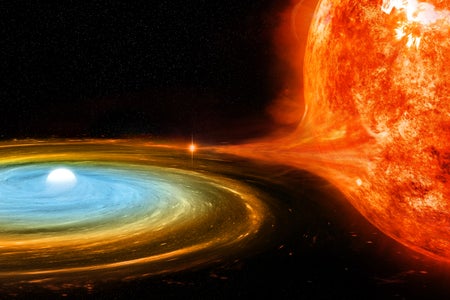
How Do Stars Really Die?
There’s more than one way for a star to die. Some go with a whimper, and some go with a very, very big bang
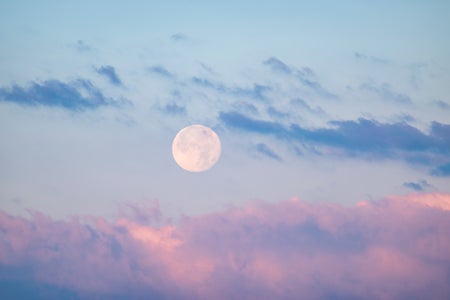
How to See Stars, Satellites, and More in the Daytime Sky
It’s possible to see celestial objects during the day, but it’s not always easy
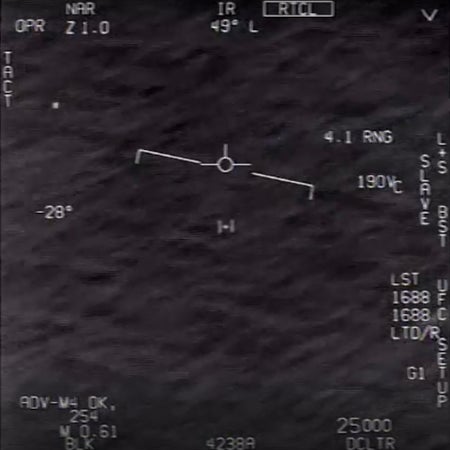
Nope—It’s Never Aliens
Claims of alien starships visiting Earth always fall short, but people still fall for them
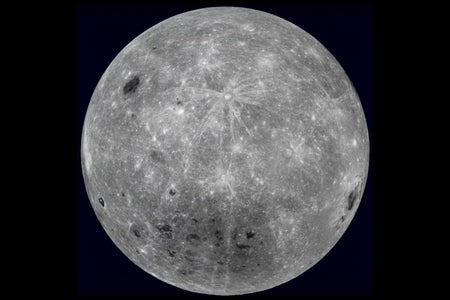
China’s Fresh Samples from the Lunar Far Side Could Explain Earth’s Two-Faced Moon
Material from the moon’s far side collected by China’s Chang’e 6 spacecraft could solve a long-standing lunar mystery
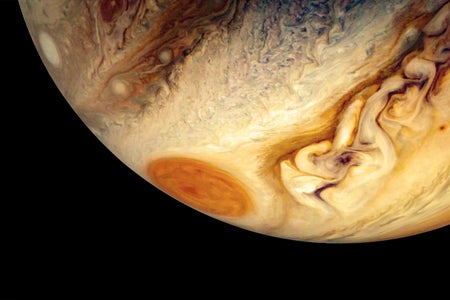
How Did Jupiter Get Its Great Red Spot?
New research suggests the Great Red Spot we see on Jupiter today is an entirely different giant storm from the one astronomers observed more than three centuries ago
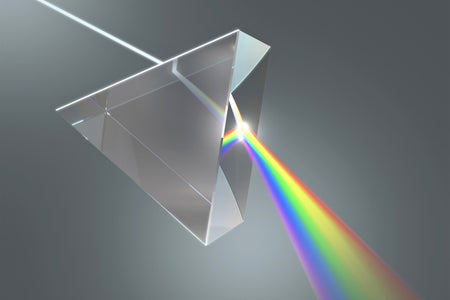
How Light Tells Us the Story of the Universe
Almost everything we know about the cosmos is conveyed by photons traveling across vast distances
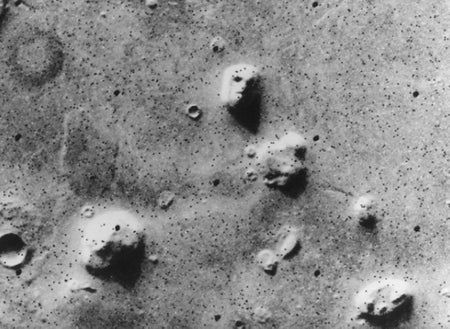
The Face on Mars and Other Cases of Cosmic Pareidolia
The human brain loves seeing patterns, even when they aren’t really there

What Are Constellations, and Where Do They Come From?
Cosmic happenstance and biological evolution come together to create a road map to the stars