How Astronomers Found Our Cosmic Address
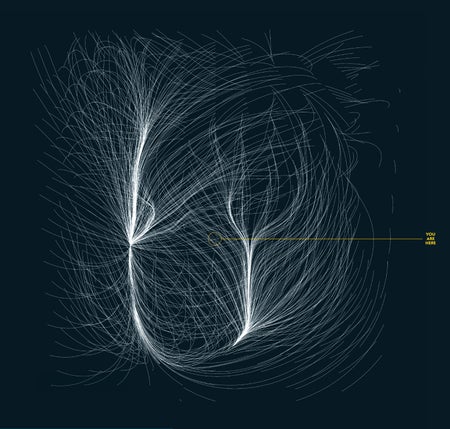
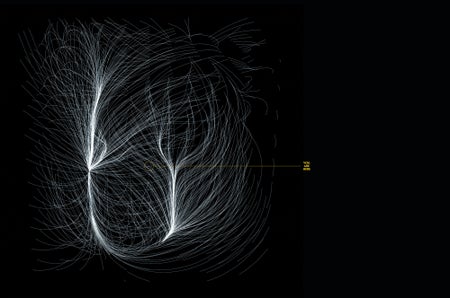
The Milky Way turns out to be part of a massive supercluster of galaxies that forms one of the largest known structures in the universe. This discovery is only the beginning of a new effort to map the cosmos
R. Brent Tully is an astronomer at the University of Hawaii who, for 40 years, has been measuring the distances to galaxies and mapping their distribution and motions in space. His Atlas of Nearby Galaxies, co-written with J. Richard Fisher and published in 1987, is still the most extensive print atlas of the structure of our cosmic neighborhood. Tully takes pride in finding his way without recourse to GPS.

How Astronomers Found Our Cosmic Address
The Milky Way turns out to be part of a massive supercluster of galaxies that forms one of the largest known structures in the universe. This discovery is only the beginning of a new effort to map the cosmos

How Astronomers Found Our Cosmic Address
The Milky Way turns out to be part of a massive supercluster of galaxies that forms one of the largest known structures in the universe. This discovery is only the beginning of a new effort to map the cosmos