Public HealthJune 16, 2026
Atul Gawande
On reclaiming America’s edge in research and public health
Tara Haelle is a science journalist specializing in medical research and science communication. She is based in Dallas, Tex.
Atul Gawande
On reclaiming America’s edge in research and public health

Chee-Huat Linus Eng
Creating techniques to allow scientists to see biological processes in real time

Cynthia Kenyon
The noted aging researcher talks about how scientists are like birds

Kim Budil
The director of Lawrence Livermore National Laboratory discusses changing the pace of scientific research
John Urschel
The mathematician and former NFL player on the benefits of having a broad background for young people who are interested in science

Feng Zhang
The CRISPR expert on why immigration should be considered an economic and national security asset for science

Emery Brown
The computational neuroscientist on how scientists themselves need to better advocate for government support

Mary Brunkow
The Nobel laureate on scientists’ resilience in a time of uncertainty

Randy Schekman
The Nobel laureate on how resilience can help young scientists succeed and why governmental support of science should be bipartisan

Bob Mumgaard
The energy entrepreneur talks about the state of science innovation in the U.S.

Rochelle Walensky
The former director of the Centers for Disease Control and Prevention talks about threats to U.S. science and ways they can be stopped

Angie Rasmussen
The noted virologist talks about how to rebuild the U.S. scientific enterprise

Chris Boshoff
The Pfizer executive talks about rekindling the public’s excitement over science

Fred Ramsdell
The 2025 Nobel laureate on the need for better science communication
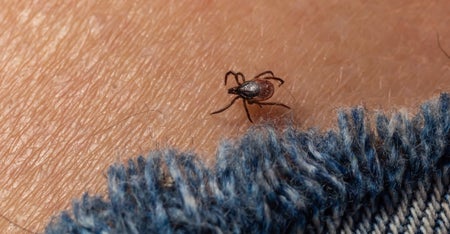
Lyme disease is spreading—a new vaccine could curb infections
A new Lyme disease vaccine made by Pfizer and Valneva could lower infection rates of the tick-borne illness, but federal approval and patient uptake could be a challenge
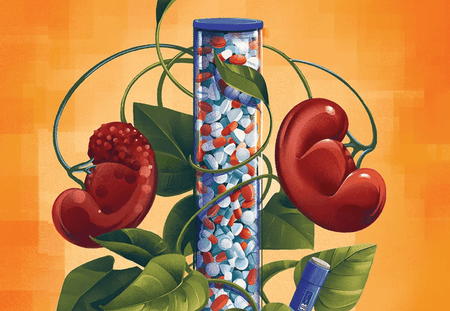
Ozempic and other new diabetes drugs revolutionize kidney treatment
Three types of diabetes medication are improving the outlook for patients with kidney disease

A Cure for Type 1 Diabetes Seems Close, Thanks to New Drugs and Tech
A new drug slows insulin-dependent diabetic deterioration and has sped up development of a complete remedy

The Next Frontier in RSV Prevention—A Vaccine for Young Children
The journey toward an RSV vaccine for children has been wrought with tragedy and setbacks. But six decades after scientists embarked on that path, they are nearing the finish line

A Tragic Vaccine Failure Led to a Breakthrough: How Scientists Finally Tamed RSV
Tragic RSV vaccine trials in the 1960s set the field back for decades. Here’s how scientists finally made breakthroughs in RSV immunization
Can We Fix America’s Dementia Care Crisis before It’s Too Late?
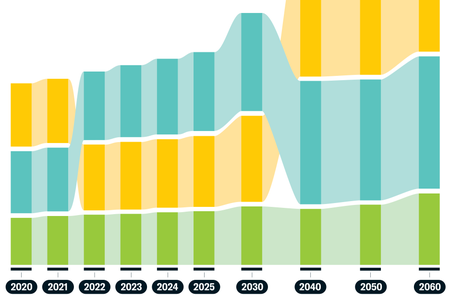
More than 13.8 million Americans could have Alzheimer’s by 2060, and at the rate care facilities are closing, many of them will have nowhere to go. Regina Shih of the State Alzheimer’s Research Support Center (StARS) wants to help solve that problem

What Is Thimerosal? Why Most Vaccines Don’t Contain Mercury Anymore
Thimerosal, which contains an organic compound of mercury, has been phased out as a preservative for vaccines. Here’s how we know it was safe to use

How to Talk about Vaccines in an Era of Scientific Mistrust
Spillover from the politicization of the COVID pandemic has eroded vaccine confidence, but everyday people can play a role in building it back up
Polio Vaccines Saved America from the Disease. What Happens If We Lose Them?
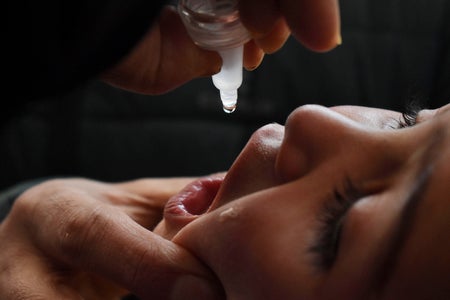
Polio, a disease that can cause lifelong paralysis, has been eliminated from the U.S. Experts fear a resurgence if lifesaving vaccines are revoked under the new administration

More Men Are Getting Vasectomies Since Roe Was Overturned
Recent studies show that the Supreme Court ruling that overturned the national right to abortion led to a sharp increase in people—particularly younger, single individuals—seeking a vasectomy or a tubal sterilization procedure