
This article was published in Scientific American’s former blog network and reflects the views of the author, not necessarily those of Scientific American
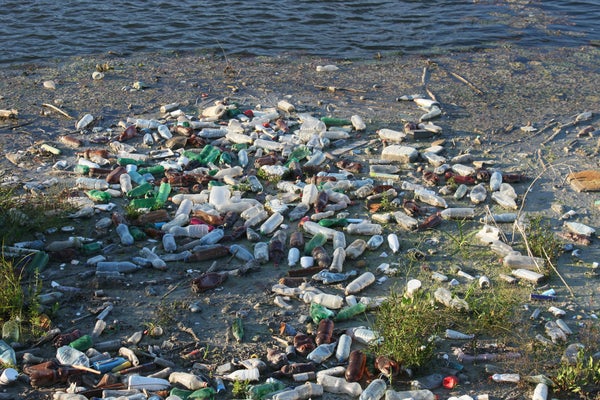
Plastic pollution, including tiny bits known as microplastic, permeate the environment, posing a threat to human and planetary health. “Solving the Plastic Waste Problem,” the third “Science on the Hill” event bringing insights about key issues to the halls of Congress, will address important considerations for dealing with this pressing problem, including how solutions can boost businesses and lead to job growth.
The expert panel includes Morton A. Barlaz, Distinguished University Professor and Head of the Department of Civil, Construction and Environmental Engineering at North Carolina State University; April Crow, Senior Advisor to Circulate Capital, supporting the launch of the impact-focused investment management firm dedicated to financing innovation, companies and infrastructure that prevent the flow of plastic waste into the world's ocean while advancing the circular economy; and Kara Lavender Law, Research Professor at Sea Education Association, studying the sources, distribution, behavior and fate of plastic debris in the ocean. Mariette DiChristina, editor in chief of Scientific American, will moderate the panel.
Scientific American and Nature Research—part of Springer Nature—host the “Science on the Hill” event series, in collaboration with Congressman Jerry McNerney (CA-09). The first event, “Energy Solutions for a Sustainable Future,” occurred November 15, 2017. The second, “AI, Robotics and Your Health,” took place on June 14, 2018.
On supporting science journalism
If you're enjoying this article, consider supporting our award-winning journalism by subscribing. By purchasing a subscription you are helping to ensure the future of impactful stories about the discoveries and ideas shaping our world today.
For further exploration into these important topics, Scientific American’s In-depth Report How Plastic Became a Plague and Springer Nature’s Grand Challenges feature highlight relevant content. Follow the hashtag #ScienceOnTheHill to be kept abreast on the latest updates on the event, including live-tweeting and Instagram stories.