
This article was published in Scientific American’s former blog network and reflects the views of the author, not necessarily those of Scientific American
What do the southern red-breasted plover, ultramarine lorikeet and Rimatara reed warbler have in common?
Here’s the unfortunate answer: They’re just a few of the bird species newly listed as critically endangered in the latest update of the IUCN Red List of Threatened Species. The update, released last month by BirdLife International, cites climate change and overfishing as causes of the population declines of many species, particularly seabirds.
All told 222 bird species worldwide are now considered critically endangered, putting them one step above extinction. In fact, some of those species may already be gone: 21 species haven’t been seen in years and are actually listed as “critically endangered, possibly extinct.”
On supporting science journalism
If you're enjoying this article, consider supporting our award-winning journalism by subscribing. By purchasing a subscription you are helping to ensure the future of impactful stories about the discoveries and ideas shaping our world today.
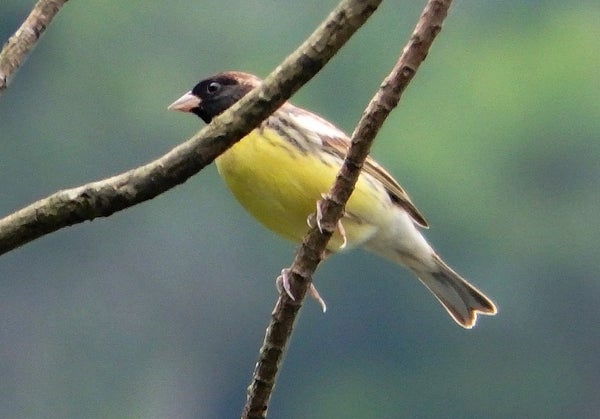
The yellow-breasted bunting (Emberiza aureola) could join that list of extinct species before too much longer. Previously considered to be of least concern, this once-common Asian species has experienced a catastrophic 80 percent population decline over the past 13 years and is now listed as critically endangered. The brightly colored bird is commonly trapped and sold as food on China’s black market, despite being legally protected in that country.
In addition to the critically endangered list, another 461 bird species are now listed as endangered, with another 786 considered vulnerable. Fully 13 percent of the world’s bird species are now considered threatened.
BirdLife didn’t reassess every bird species this year, but it did publish new data on 238 of them. Among the most striking examples:
Snowy owls (Bubo scandiacus), previously listed as of least concern, are now considered vulnerable, with threats ranging from illegal hunting to climate change.
Nesting black-legged kittiwakes (Rissa tridactyla) are having trouble feeding their chicks as overfishing and climate change have robbed them of their food, a situation echoed with several other seabird species. The Cape gannet (Morus capensis), for example, has resorted to following fishing vessels in search of food and now relies on the discards thrown off the boats — essentially low-nutrition “junk food” that lowers the survival rates of newborn chicks.
Similarly, the kea (Nestor notabilis), a parrot from New Zealand, has been listed as endangered because tourists keep feeding them unhealthy food like bread and potato chips.
Thankfully, there are several bright spots amongst all of this bad news. BirdLife found that several dozen bird species are now doing better than they were and have been downlisted to lower threat categories. This includes two species of kiwi, five owls, three parakeets and a number of warblers and babblers. Most notably the Dalmatian pelican (Pelecanus crispus), the world’s largest freshwater bird, has been downlisted from vulnerable to near threatened — a testament to decades of protective efforts and proof that the fate of many of these endangered species can still be turned around.
Note: This article first appeared in The Revelator on January 8, 2018. Used with permission.