
This article was published in Scientific American’s former blog network and reflects the views of the author, not necessarily those of Scientific American
It’s been a busy week in conservation circles. Let’s wrap up some of the latest big news.
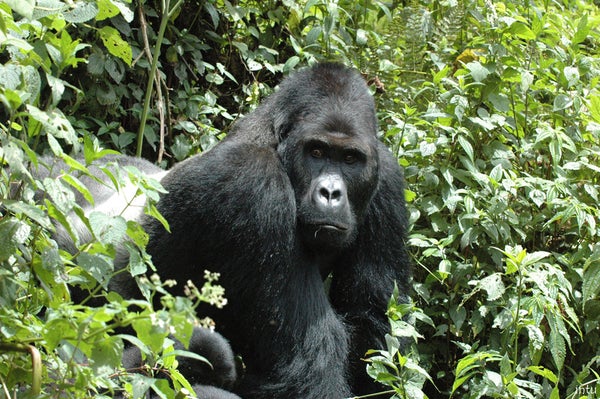
First up: new information on the Eastern gorilla (Gorilla beringei) reveals that the species is now critically endangered, with fewer than 5,000 remaining. Most of that decline comes from the hard-to-study subspecies, the Grauer’s gorilla (G. b. graueri), which has declined from an estimated population of 16,900 in 1994 to just 3,800 today, primarily due to illegal hunting. According to the IUCN, this means that four of the world’s six great ape species, covering all gorillas and orangutans, are now critically endangered.
The gorilla news came out of the IUCN World Congress, held last week in Hawaii, where conservationists also announced they are upgrading the giant panda (Ailuropoda melanoleuca) from the “endangered” category to the slightly less worrisome category of “vulnerable to extinction.” The decision comes as a result of a 17 percent population increase since 2004, to all of 1,864 giant pandas (significantly fewer than the critically endangered apes). However, many conservationists note that the literally iconic animal, which has long been the symbol of the World Wildlife Fund, remains strongly at risk due to habitat loss and other risk factors. Some have even expressed worry that the barrage of headlines proclaiming that “the panda is no longer endangered” that followed this announcement could actually harm conservation efforts, much as the U.S.’s proposed reclassification of the manatee (Trichechus manatus) from “endangered” to “threatened” affected the perception of the animals’ risks in other countries. The panda’s population growth is undoubtedly a victory, but it’s also not a cause to become complacent.
On supporting science journalism
If you're enjoying this article, consider supporting our award-winning journalism by subscribing. By purchasing a subscription you are helping to ensure the future of impactful stories about the discoveries and ideas shaping our world today.
In other news, most populations of the humpback whale (Megaptera novaeangliae) were declared recovered this week. The change affects nine of the 14 humpback population segments, a slight change from the ten populations that were proposed as recovered a year ago. Conservationists note that the remaining four populations still have a long way to go before their protections can similarly be lifted.
Meanwhile, the genetically isolated population of gray whales (Eschrichtius robustus), which swims the waters of the Russian Far East, remains critically endangered. However, conservationists say that protective efforts have helped the whales and they have increased their population from just 115 in 2004 to 174 last year. The whales remain at risk from industrial development in the region.
Finally, the U.S. Fish and Wildlife Service this week announced that it is reopening the public comment period regarding whether or not grizzly bears (Ursus arctos horribilis) should remain a protected species in Yellowstone National Park and the surrounding ecosystem. This has been—and will no doubt continue to be—a highly contentious issue. This latest 30-day public comment period ends on October 7. A final decision will probably follow early next year.