
This article was published in Scientific American’s former blog network and reflects the views of the author, not necessarily those of Scientific American
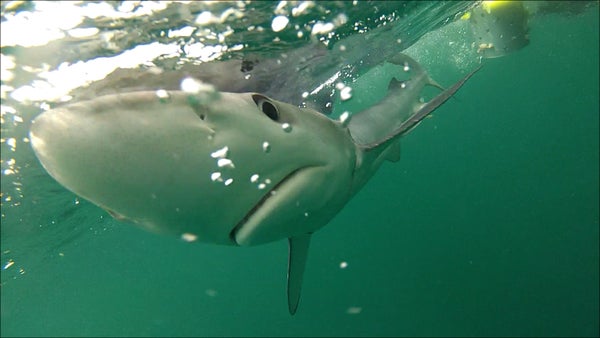
Overfishing has pushed more than half of the Mediterranean’s shark, ray and chimera species toward extinction, the world’s top conservation body warned this week, calling the situation a “chondrichthyan crisis.” (That’s the collective name for these three types of species.)
We have known that the Mediterranean’s sharks were in bad shape for at least a decade now, but the new report—from the International Union for Conservation of Nature (IUCN)—finds that nothing has gotten better for these species during that time period. In fact, the conservation statuses of 11 species in the region have actually worsened over the past ten years. According to the report, 20 of the 72 known shark and ray from the Mediterranean are currently critically endangered and 13 species have experienced localized extinctions in the waters around Spain, France, Italy and northwest Africa.
All told, the IUCN found that at least 39 of the 72 species—53 percent—face “an elevated risk of extinction” in the region. That number could actually be much higher, however, as 13 species are listed as “data deficient,” meaning their conservation statuses have not yet been adequately assessed. The report notes that if the data deficient species in this case were listed as endangered, the number of Mediterranean shark species at risk would rise to 71 percent. Many people in the conservation community believe that data deficient species, some of which we know are quite rare, should automatically be considered endangered due to the lack of information on their risks and populations.
On supporting science journalism
If you're enjoying this article, consider supporting our award-winning journalism by subscribing. By purchasing a subscription you are helping to ensure the future of impactful stories about the discoveries and ideas shaping our world today.
Of course, most of these shark and ray species have very wide ranges and exist outside of Mediterranean waters, but three species exist only within the confines of the Mediterranean Sea. Those include the critically endangered Maltese skate (Leucoraja melitensis), the endangered rough skate (Raja radula), and the speckled skate (R. polystigma) one of the few species in the report labelled as being of “least concern.”
Can anything be done to halt the declines for these species? The report blames bycatch from overfishing for the decline in the Mediterranean’s sharks. In a prepared statement, IUCN shark specialist group co-chair Nicholas Dulvy said the governments of the region must “establish fishing quotas and protected areas at domestic level.” He also suggested that consumers of the region’s seafood “need to be aware of the risk of what buying these products entails.” (Programs such as Seafood Watch, Good Fish Guide or WWF’s seafood guides can help buyers understand which products they are buying are most likely to be sustainably caught.)
The report does note that some countries and fisheries have taken steps to reduce bycatch, but the authors also found that no management measures in the region have been successfully implemented or enforced.
All of this means that Mediterranean sharks have essentially lost the past decade and now face an even less certain future than the last time they were assessed. Hopefully the region’s governments will start to listen and take action to protect their native sharks in the decade to come.
Previously in Extinction Countdown: