
This article was published in Scientific American’s former blog network and reflects the views of the author, not necessarily those of Scientific American
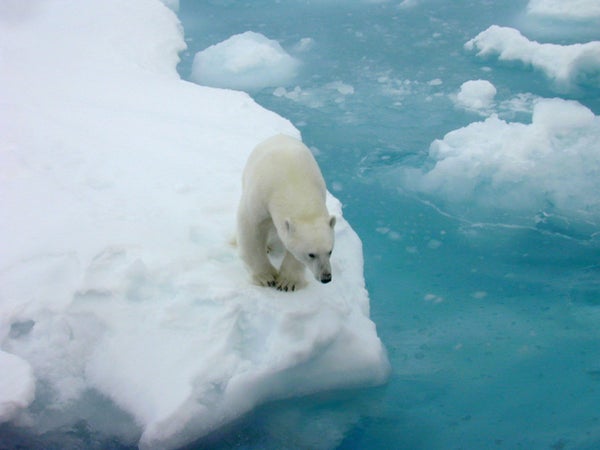
Climate change is “the primary threat” to the survival of polar bears, according to a conservation management plan released today by the U.S. Fish and Wildlife Service.
The plan—which also addresses issues such as human-bear conflict, subsistence hunting by Alaskan Native people, and minimizing the risk of oil spills—says global action on climate change is necessary to save this sea-ice dependent species, which has over the past several years become the conservation icon related to climate change.
“This plan outlines the necessary actions and concrete commitments by the Service and our state, tribal, federal and international partners to protect polar bears in the near term,” Greg Siekaniec, FWS Alaska Regional Director, said in a prepared statement. “But make no mistake; without decisive action to address Arctic warming, the long-term fate of this species is uncertain.”
On supporting science journalism
If you're enjoying this article, consider supporting our award-winning journalism by subscribing. By purchasing a subscription you are helping to ensure the future of impactful stories about the discoveries and ideas shaping our world today.
The conservation management plan specifically addresses the two subpopulations of polar bears that live within U.S. territory—the Chukchi Sea and the Southern Beaufort Sea, both off the coast of Alaska—while also contributing to polar bear conservation efforts in Canada, Greenland, Norway and Russia. The polar bear is currently listed as “threatened,” one step below endangered, on the U.S. Endangered Species Act. That law required FWS to come up with this management plan.
The 106-page plan addresses multiple issues facing polar bears, presenting a complex portrait of their threats and what it will take to save them. Elisabeth Kruger, Arctic program officer for the World Wildlife Fund, said in a statement that the plan “addresses the things we need to consider in near term and rightly highlights that climate change mitigation is the most important action needed to secure polar bear populations.”