
This article was published in Scientific American’s former blog network and reflects the views of the author, not necessarily those of Scientific American
It's possible I listen to more podcasts than is strictly healthy. At present count, I subscribe to 32 - most of these are weekly, but a not-insubstantial portion are daily. For a while, I was being a completest, but since I don't spend as much time doing mindless work at the bench, I've had to start skipping episodes of some shows.
I've got a few favorites (I've listened to every episode of On the Media since about 2005 - it was what started my podcast addiction), but I also occasionally try out new shows to keep it fresh. One recent addition that quickly became must-listen is Science Vs, a show that contends with contentious topics from the standpoint that arguments should be settled by data - a concept I wholly support!
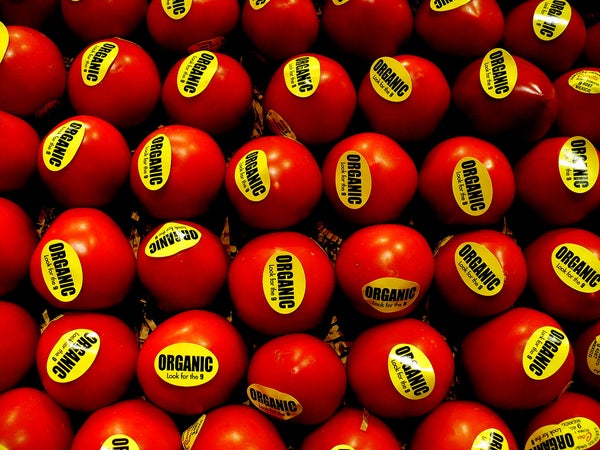
A recent episode is about organic food and, surprise surprise, the science shows it's not all it's cracked up to be.
On supporting science journalism
If you're enjoying this article, consider supporting our award-winning journalism by subscribing. By purchasing a subscription you are helping to ensure the future of impactful stories about the discoveries and ideas shaping our world today.
They address 3 basic questions:
1) Do organic foods taste better?
2) Are organic foods healthier?
3) Are organic foods better for the environment?
The answers? 1) No. 2) No. 3) Ehh... Feel free to listen to get all the details.
I was a little disappointed that they didn't get into GMOs, though the host, Wendy Zuckerman acknowledges this, and (rightly) suggests that it's just too loaded to get into - hopefully they'll do a standalone episode sometime! (Wendy - if you need someone to chat with on background, feel free to get in touch!). But overall, they do a pretty great job - chatting with farmers, doctors and scientists.
I like learning new things, and I actually learned a fair bit with this episode - and before that they abley tackled gun control and fracking. This is a pretty great start as far as I'm concerned, and a much-needed resource for our public discourse. Plus, the episodes are filled with off-color jokes and terrible (or glorious, depending on your perspective) puns - what more could you want?!