
This article was published in Scientific American’s former blog network and reflects the views of the author, not necessarily those of Scientific American
A century ago military powers used sophisticated visual shape-disrupting techniques to conceal weapons of war, and to hide resources during wartime. The artform was mastered by members of the Women's Reserve—NYC art students who signed up and used their knowledge to enhance the art of camouflage and deception. They developed numerous techniques to camouflage individuals. Camouflage functions by either decreasing contrast of the object being hidden, or by disrupting its shape profile so that the hidden object cannot easily be identified and/or properly categorized.
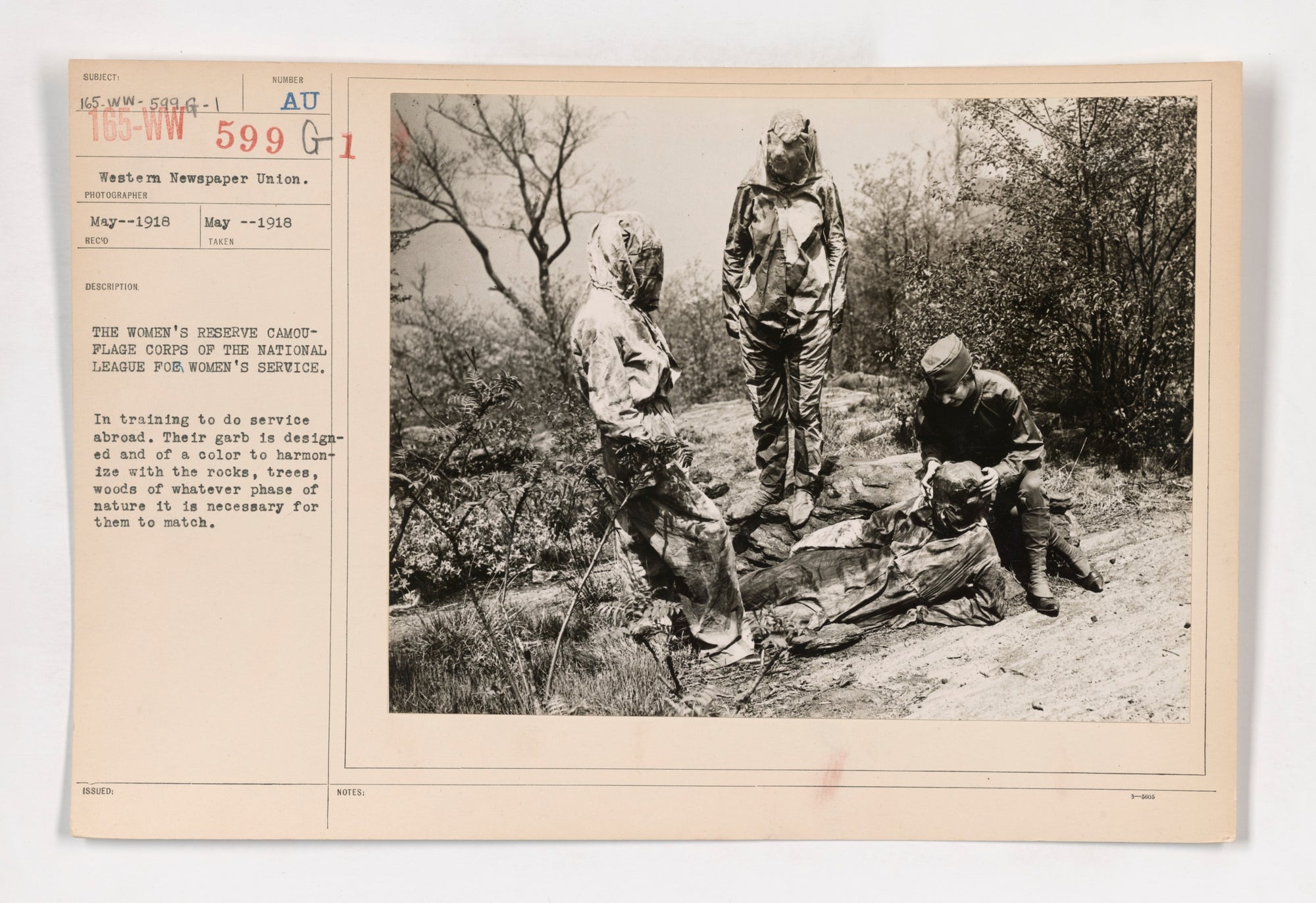
The Women's Reserve at work optimizing camouflage uniforms. Credit: War Department. 1789-9/18/1947
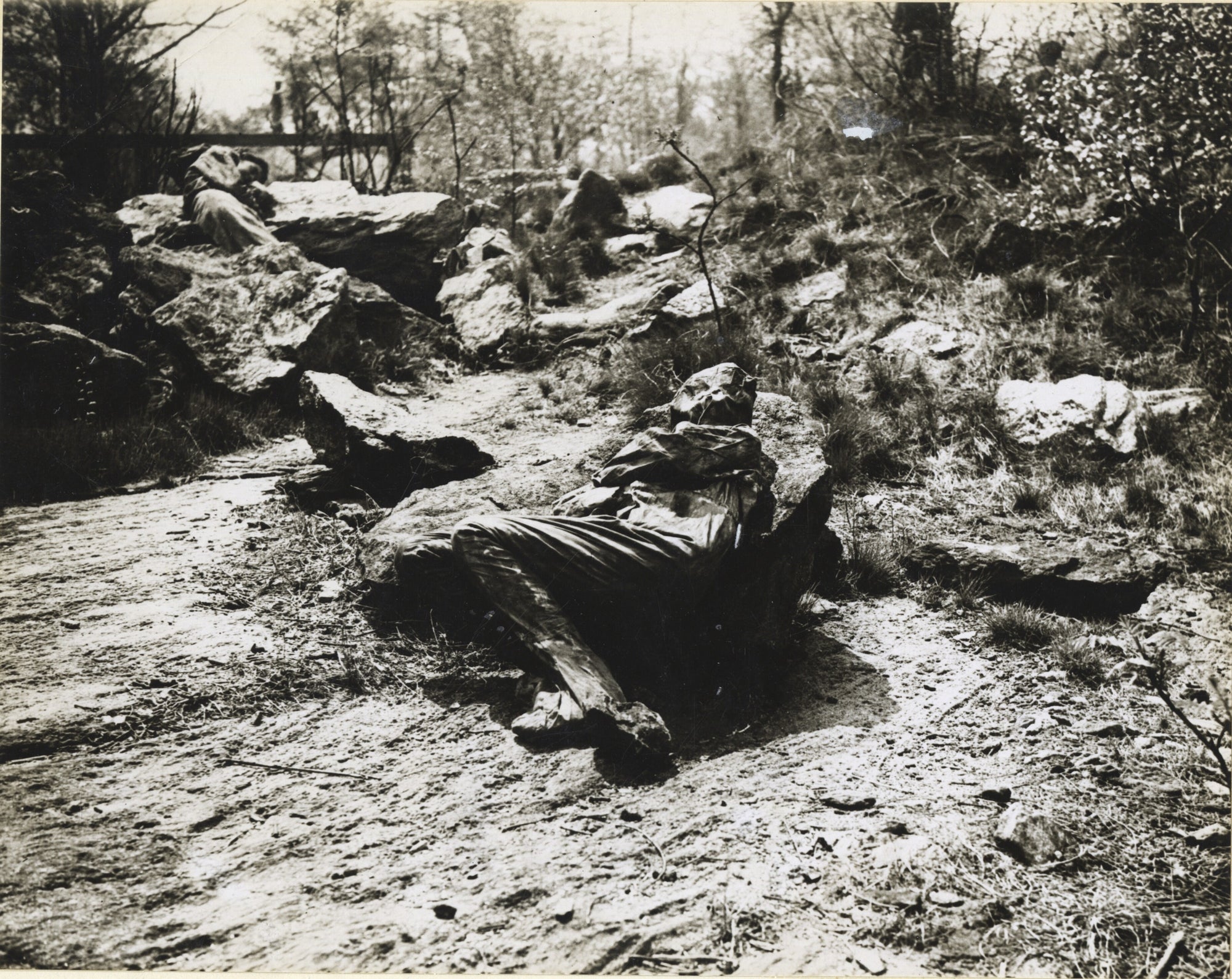
A Living Rock. Women’s Camouflage Reserve Corps, of the National League for Women’s Service. Credit: NARA 165-WW-599G-13
On supporting science journalism
If you're enjoying this article, consider supporting our award-winning journalism by subscribing. By purchasing a subscription you are helping to ensure the future of impactful stories about the discoveries and ideas shaping our world today.
The Women Reserve also camouflaged naval vessels, and the US Navy had its own office dedicated to the critical function, as did foreign navies such as the British Navy. Naval designs were intended to make the ships more difficult to track and precisely position, so as to thwart would-be torpedo attacks.
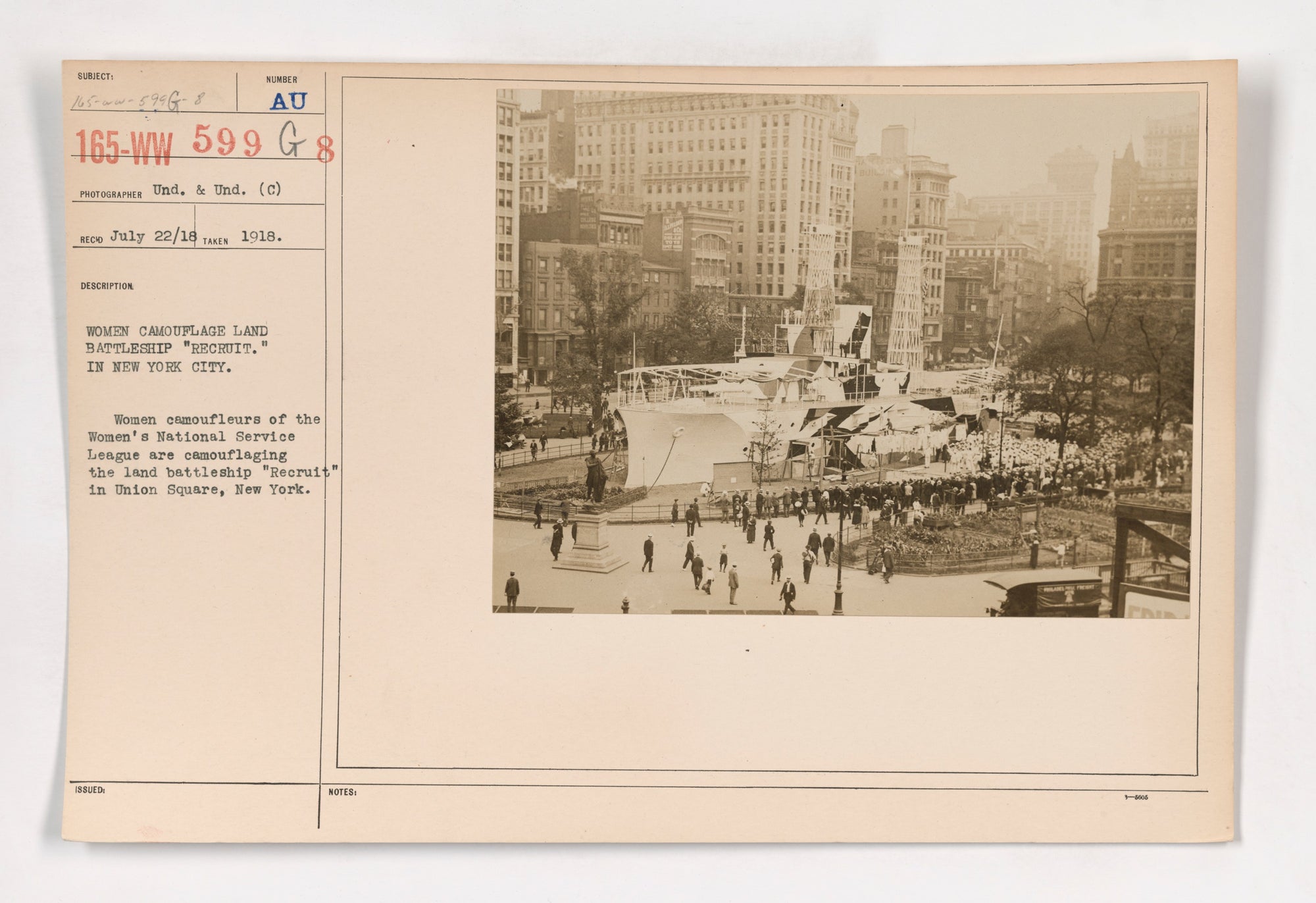
The mock battleship “Recruit” during WWI. Docked in Union Square. Credit: War Department. 1789-9/18/1947
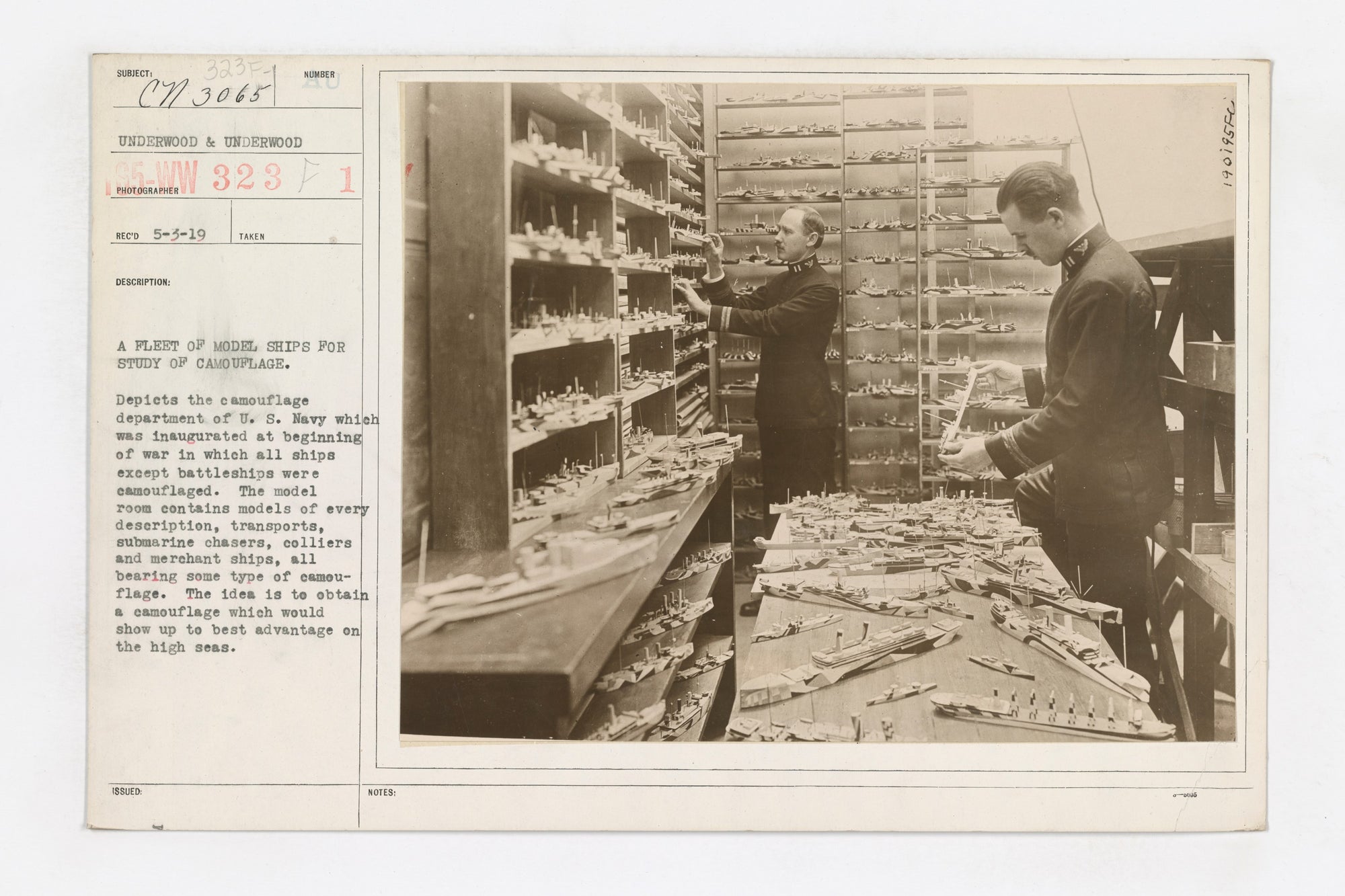
The US Navy studied hundreds of camouflage patterns. Credit: Underwood & Underwood.
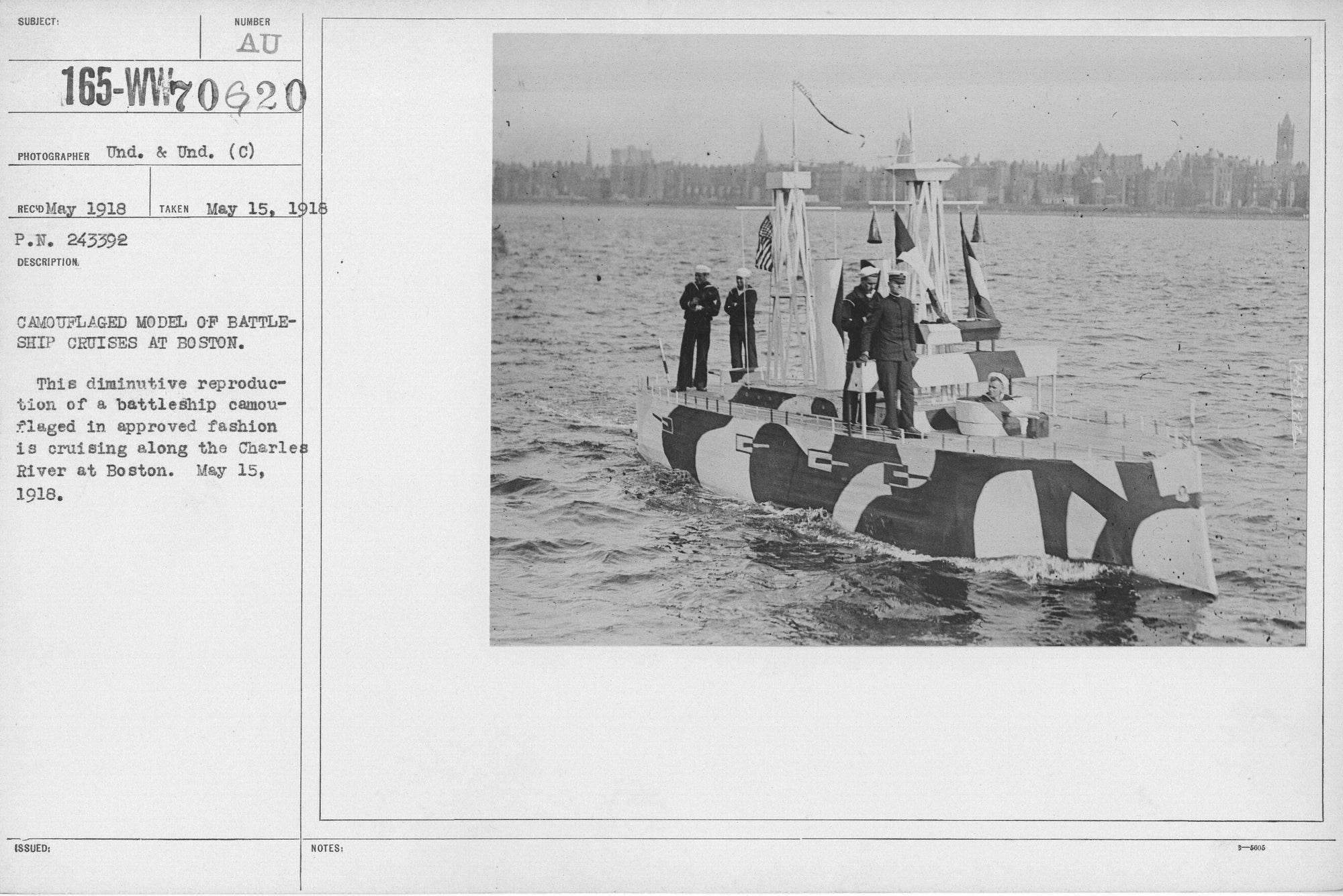
Scaled miniatured mockups were tested to ensure pattern effectiveness. Credit: Underwood & Underwood.
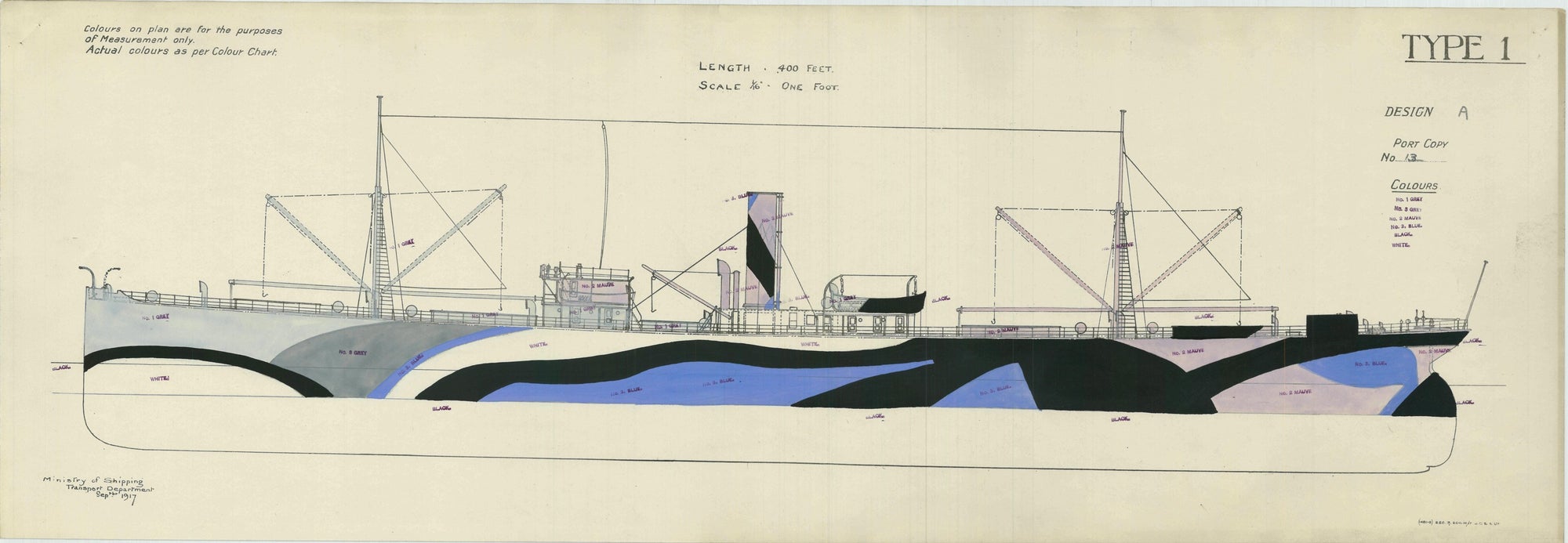
A British pattern for a cargo ship. Credit: Department of the Navy. Bureau of Construction and Repair. 1862-1940

Credit: Champions of Illusion Book