This article was published in Scientific American’s former blog network and reflects the views of the author, not necessarily those of Scientific American
On supporting science journalism
If you're enjoying this article, consider supporting our award-winning journalism by subscribing. By purchasing a subscription you are helping to ensure the future of impactful stories about the discoveries and ideas shaping our world today.
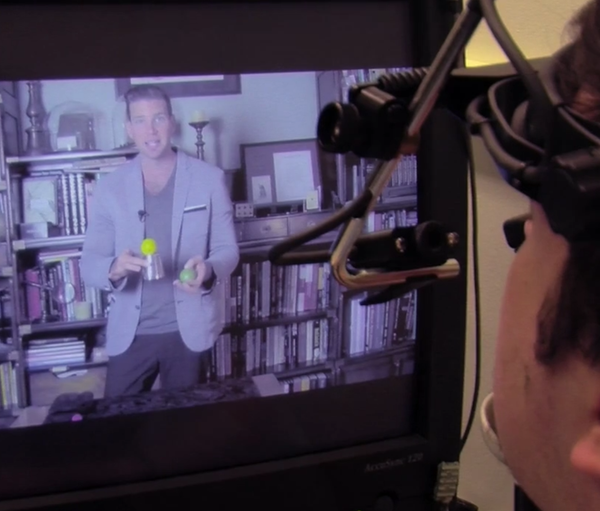
Leila Falls, a student at the City University of New York, and a freelance reporter for NYCity NewsService, recently reviewed our research on neuromagic. She tested out our findings in a new video featuring the inimitable Joshua Jay, a NYC-based magician and bestselling author on magic, who performs all over the world. Fall’s project produced a 6-and-a-half minute video that is one of the finest summary’s of the state of the art available. Beware! The video reveals magic secrets… so don’t watch unless you want to know how your mind gets blown by magicians. Falls did such a great job, Scientific American picked it up and showcased it here.
The video packs in interviews by yours truly and Susana Martinez-Conde, Roger Dreyer of Fantasma Magic, and Christopher Fecarotta (a pediatric ophthalmologist from our home research institute, SUNY Downstate Medical Center), and appearances by Jeremy The Magician, Phil The Magic Man, and Magick Balay from Tannen’s Magic.
Subscribe to Support Independent Journalism
Great science journalism requires human expertise, time, effort and creativity. And it costs money. That’s why I and the journalists here at Scientific American hope you’ll join our community.
When you subscribe, you are supporting staff and freelance journalists who are passionate about telling science stories that are true, important and compelling. Our editors and reporters are often experts in their fields, which means they understand the nuances of big discoveries and can untangle the breakthroughs from the hype. With a subscription, you are also supporting rigorous fact-checking to ensure the words we publish are precise and accurate. And you’re supporting original illustrations, graphics and photos that bring you closer to an advanced laboratory, an ice sheet in Antarctica or a space mission in orbit. You’re helping us craft other types of high-quality journalism as well: Our newsletters are carefully written, edited and curated by staffers you have or will come to know and love. Our Science Quickly podcast is based on original reporting, collaboration with editors and scientists and exacting production.
Subscriptions keep this engine running so we can continue to deliver thoughtful, rigorous and independent science journalism to you. In an era of viral misinformation, this work is crucial. If you value what we do, I hope you’ll consider joining us as a subscriber