
This article was published in Scientific American’s former blog network and reflects the views of the author, not necessarily those of Scientific American
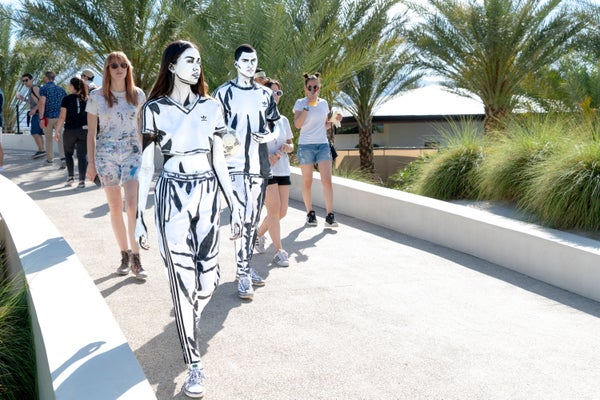
Alexa Meade’s life can look like something out of the 1980's A-ha video Take On Me. The header image of this blog post features the artist herself, as the woman following her portrait creations down the walkway. We showed the picture to our 12 year-old son, asking him, "Doesn't this look just like a painting?" and had to laugh when he replied, “Nah, it's obviously a filter.” So even in an era where digital natives have deeply engrained knowledge of Instagram's functions, these illusions confound and delight. More important to scientists, Meade’s artworks are relevant to understanding how we see depth.
The image is uncanny: normal in every way, except for the two people in stark black/white contrast, who seem to have arisen from flatland. Even though the models cast shadows, and must be actually shaded themselves by the sun and sky—just as Meade herself is—the paint job obscures and destroys such depth cues. As we also discuss in our Illusions column in the September issue of Scientific American MIND, Meade’s creations feed your visual system with erroneous information, leaving you with the perception of flat actors—though you know they must belong to a 3D universe.
Meade explains that she has searched for years for the right name for her illusions but has not found it yet. She hopes to enlist the help of Scientific American readers:
On supporting science journalism
If you're enjoying this article, consider supporting our award-winning journalism by subscribing. By purchasing a subscription you are helping to ensure the future of impactful stories about the discoveries and ideas shaping our world today.
“There have been numerous attempts at coming up with a name for this illusion concept, but so far, I haven’t found any terms that really seem to capture the essence. If given the chance to name it yourself, what would you call it? How would you describe this illusion in the most elegantly simple terms?”
Please use the comments section to propose your best names for Meade’s creations!
A variety of Meade's projects are featured in the video and images below.
Living Paintings Artist Reel. Credit: Alexa Meade
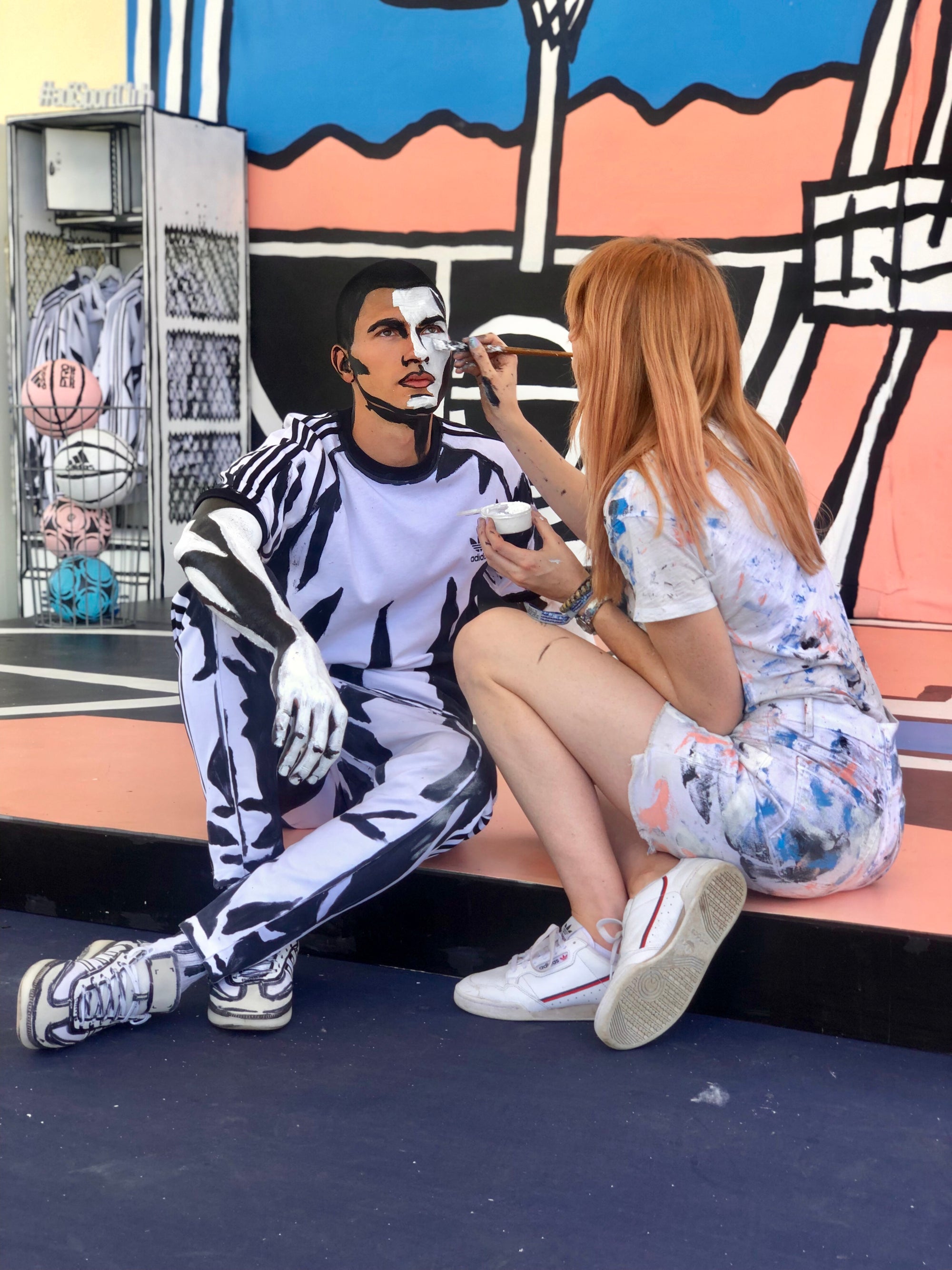
Sport Club Getting Set. Credit: Alexa Meade

Sunu Bashful Glance. Credit: Alexa Meade
.jpg?w=2000)
Out to this World. Credit: Alexa Meade
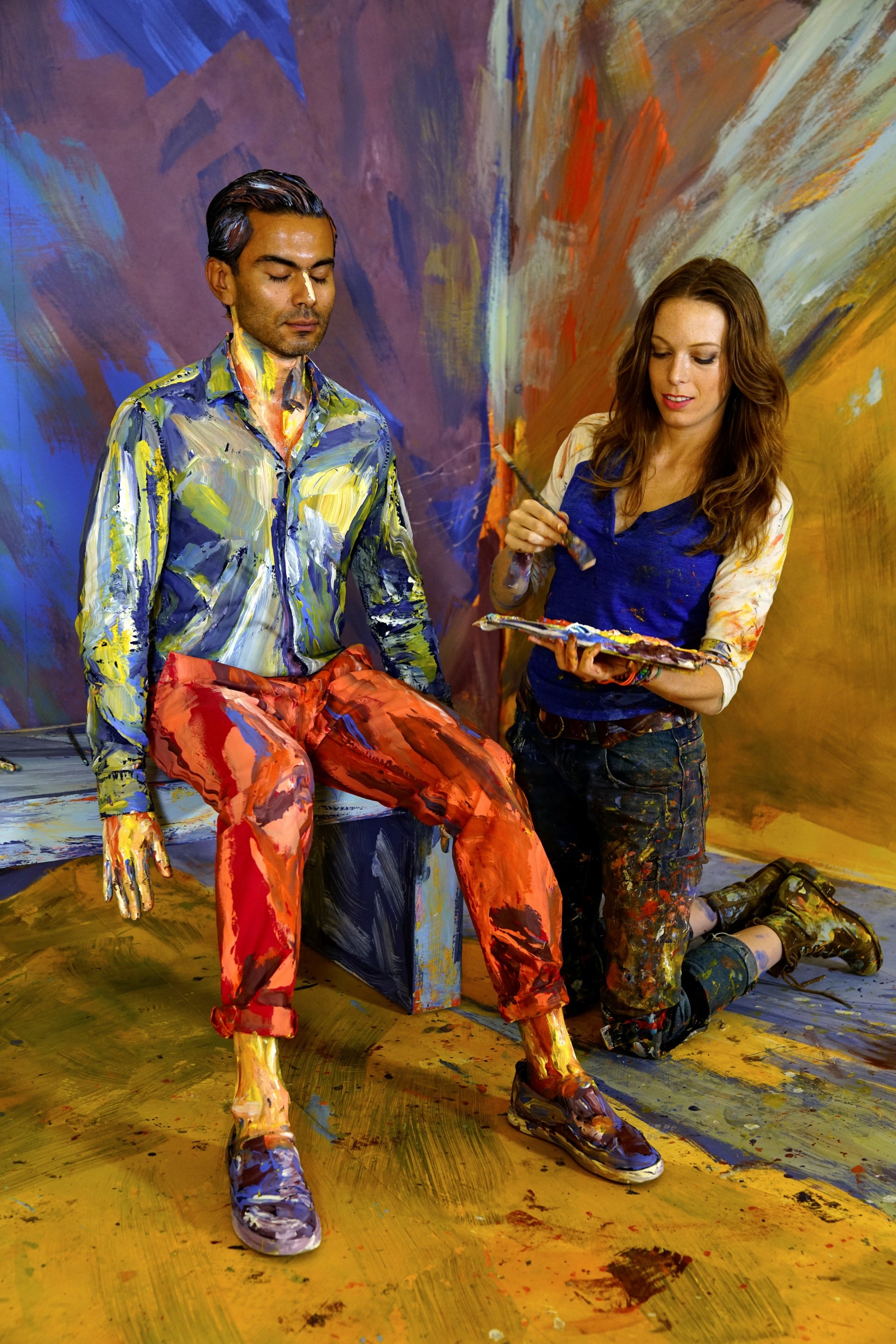
Suited for Alexa to Paint the Face. Credit: Alexa Meade
Additional Reading:
Susana Martinez-Conde and Stephen Macknik (2019). Help, I’m Stuck in a Painting!Scientific American MIND 30(5): 44-45.