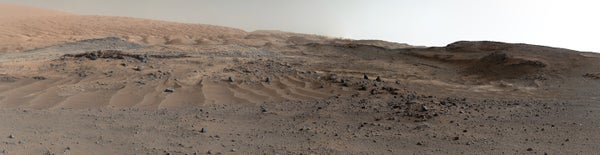
3 Years into Its Mission, Curiosity's Stunning Martian Panorama

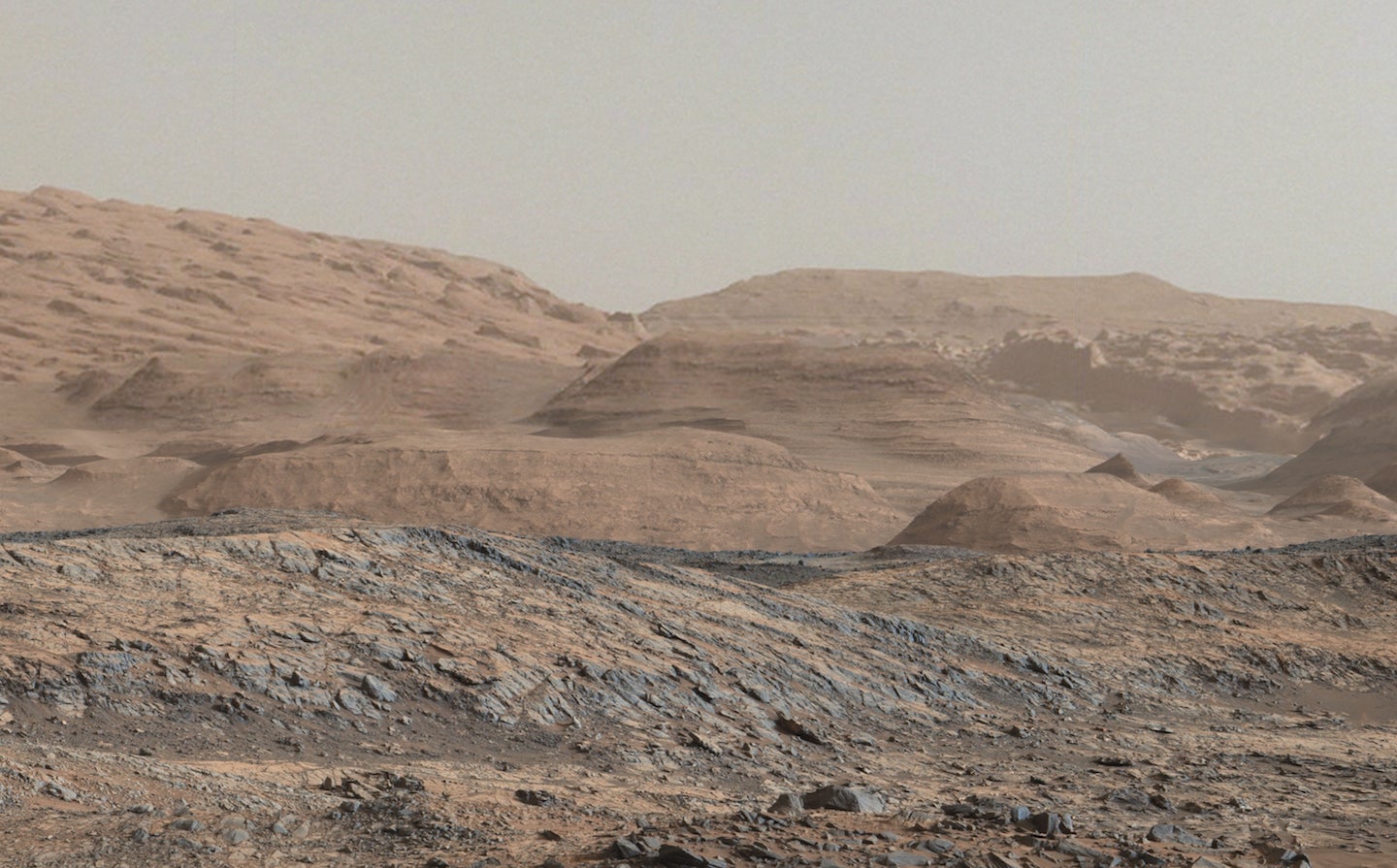
NASA's Curiosity rover provides a beautiful, scientifically appetizing view of what's ahead on Mount Sharp on Mars

(NASA/JPL-Caltech/MSSS)

Join Our Community of Science Lovers!

This article was published in Scientific American’s former blog network and reflects the views of the author, not necessarily those of Scientific American


It's been three years since NASA's Curiosity rover, carrying the Mars Science Laboratory, made its bold skycrane-assisted landing on the surface of Mars.

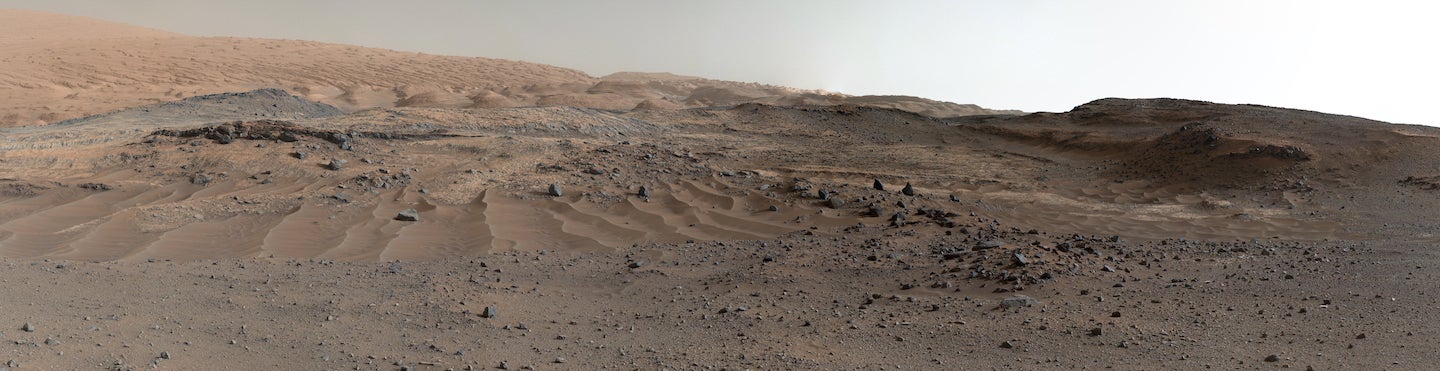
Since then the rover has progressed across a wealth of varied and fascinating terrain. The southward looking panorama here has been stitched together from images taken back in April 2015 with the rover cameras - on Martian days (or sols) 952 and 953 after landing (a solar day on Mars is 24 hours and 39 minutes).
NASA/JPL-Caltech/MSSS


On supporting science journalism

If you're enjoying this article, consider supporting our award-winning journalism by subscribing. By purchasing a subscription you are helping to ensure the future of impactful stories about the discoveries and ideas shaping our world today.


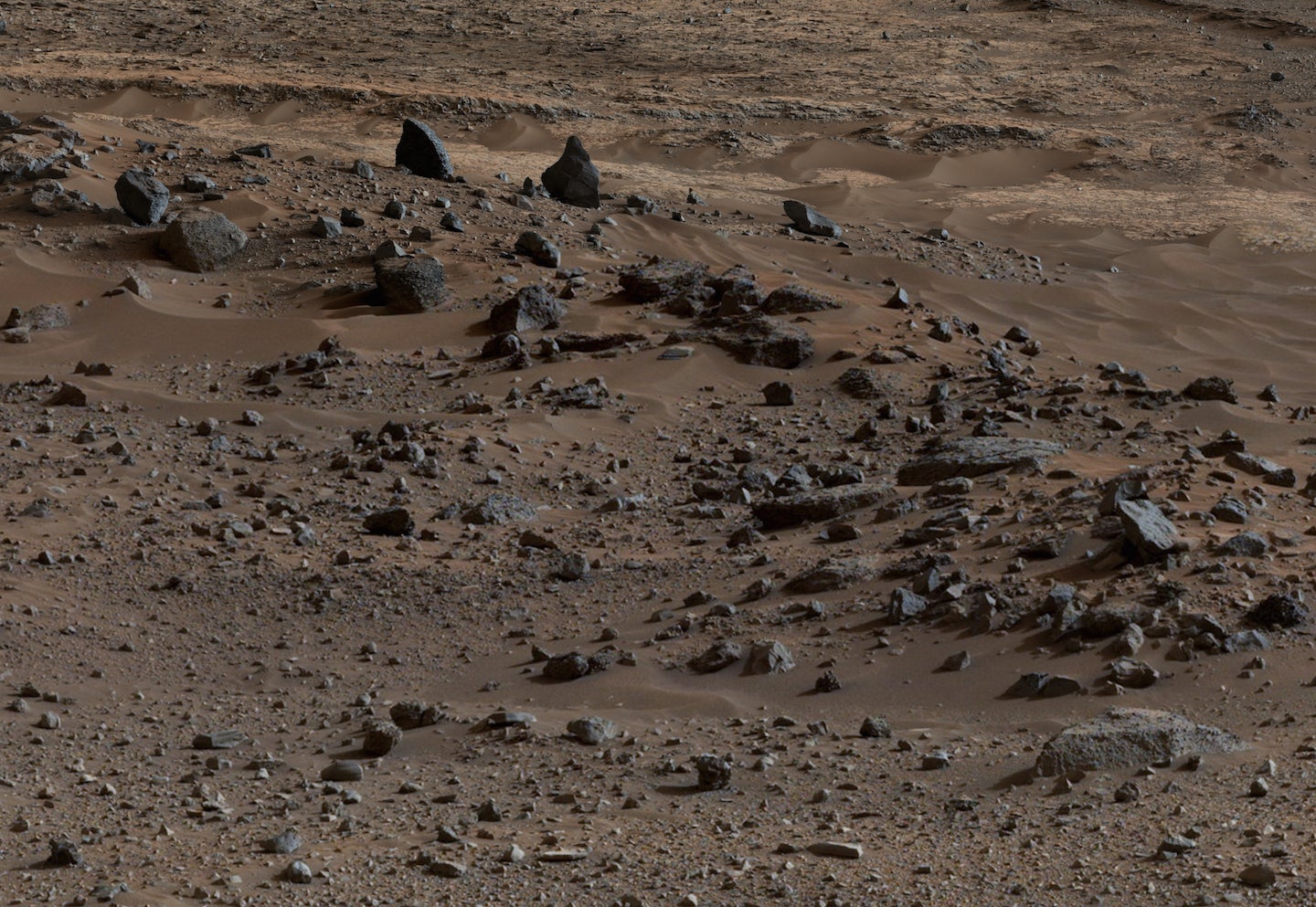
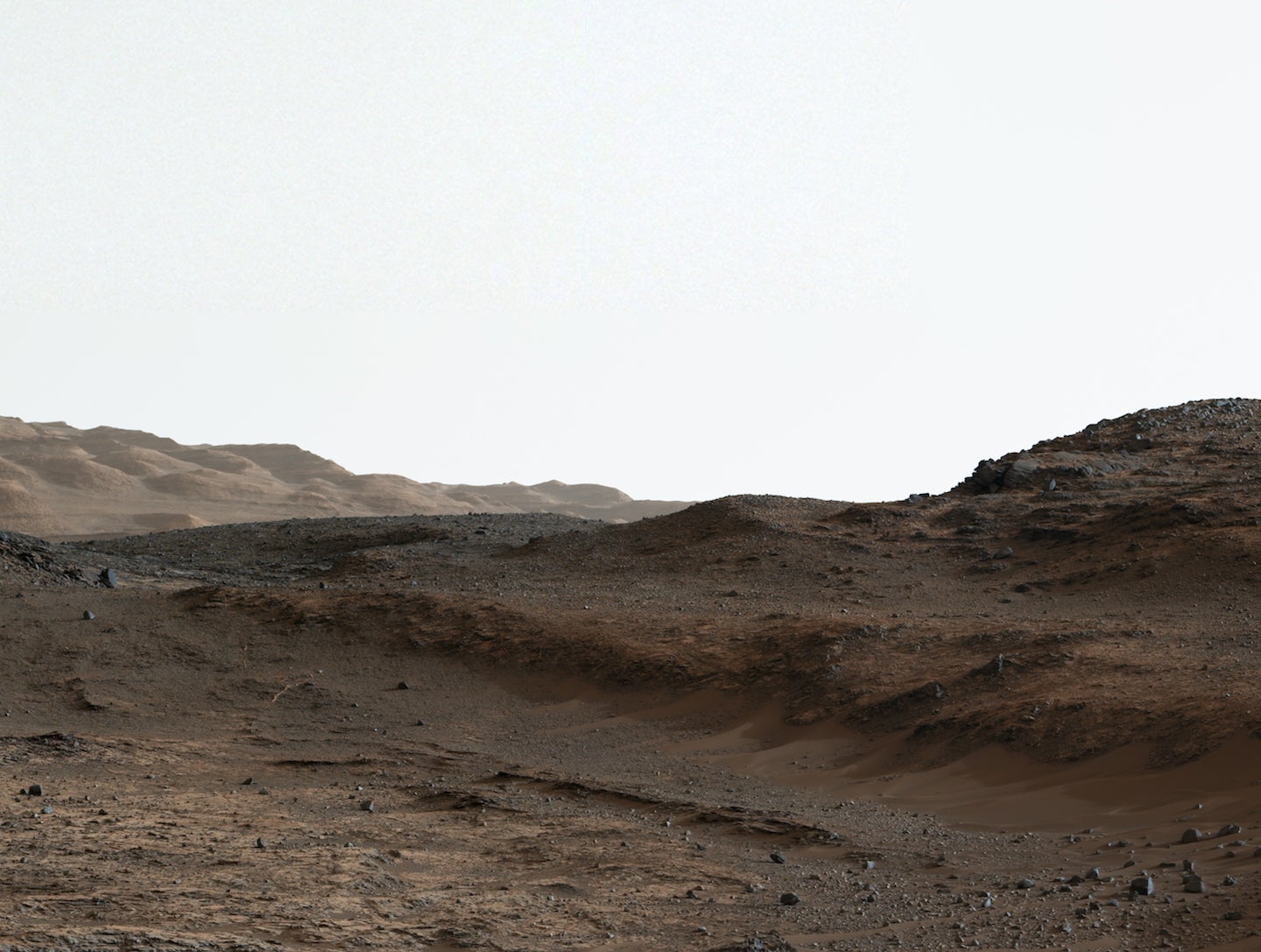
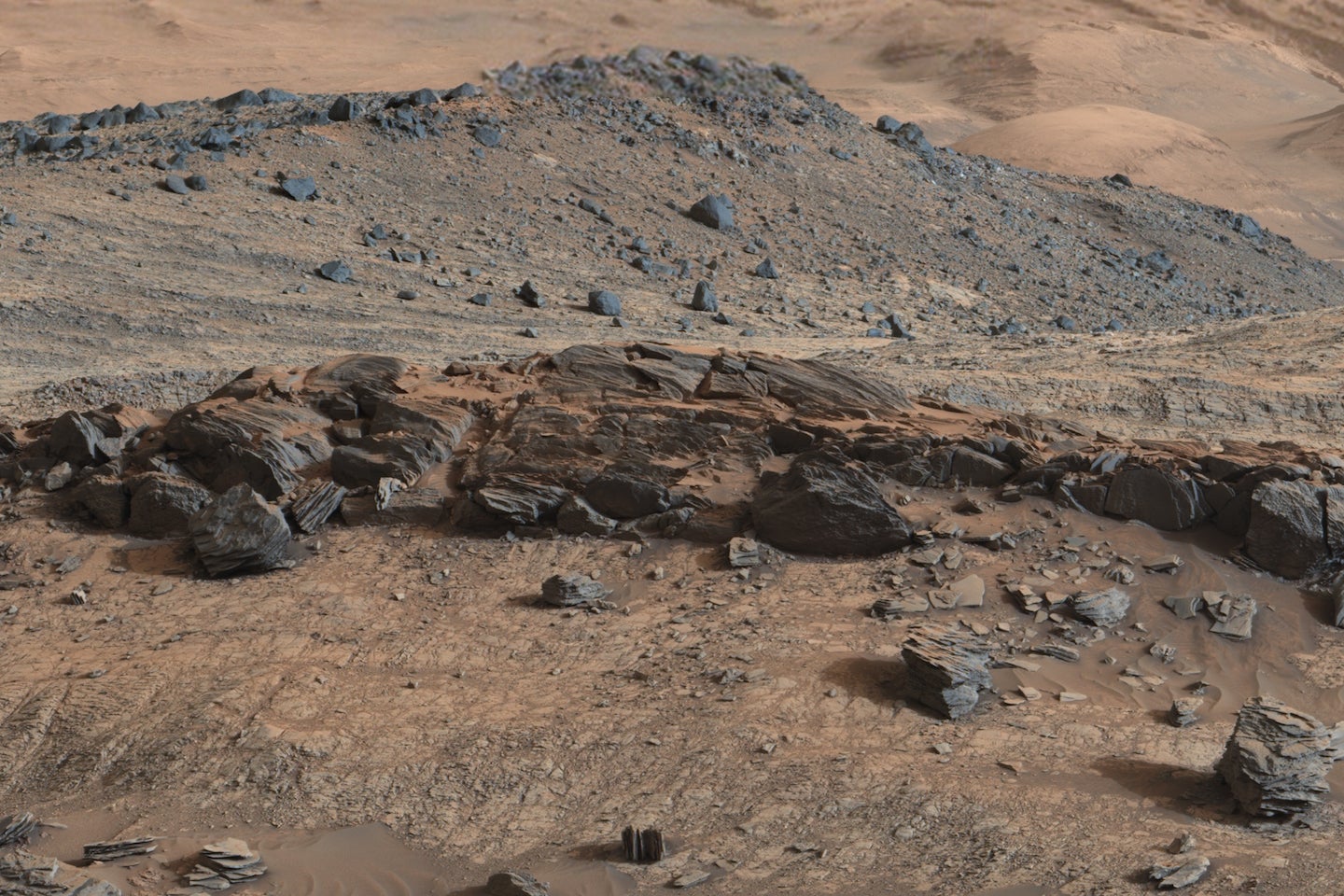
It's a marvelous view: from outcroppings and smooth bedrock, to rounded buttes still in the distance. But to fully appreciate the details and the extraordinary 'presence' of Mars you have to poke around this 70-plus MB pixel file.

Here are a few closeups, and you can explore the whole image directly online here.
NASA/JPL-Caltech/MSSS
NASA/JPL-Caltech/MSSS
NASA/JPL-Caltech/MSSS
NASA/JPL-Caltech/MSSS


Subscribe to Support Independent Journalism

Great science journalism requires human expertise, time, effort and creativity. And it costs money. That’s why I and the journalists here at Scientific American hope you’ll join our community.

When you subscribe, you are supporting staff and freelance journalists who are passionate about telling science stories that are true, important and compelling. Our editors and reporters are often experts in their fields, which means they understand the nuances of big discoveries and can untangle the breakthroughs from the hype. With a subscription, you are also supporting rigorous fact-checking to ensure the words we publish are precise and accurate. And you’re supporting original illustrations, graphics and photos that bring you closer to an advanced laboratory, an ice sheet in Antarctica or a space mission in orbit. You’re helping us craft other types of high-quality journalism as well: Our newsletters are carefully written, edited and curated by staffers you have or will come to know and love. Our Science Quickly podcast is based on original reporting, collaboration with editors and scientists and exacting production.

Subscriptions keep this engine running so we can continue to deliver thoughtful, rigorous and independent science journalism to you. In an era of viral misinformation, this work is crucial. If you value what we do, I hope you’ll consider joining us as a subscriber

Thank you,

Jeanna Bryner, Editor in Chief, Scientific American

Subscribe