
This article was published in Scientific American’s former blog network and reflects the views of the author, not necessarily those of Scientific American
Today was a busy day for space exploration. Not only did NASA's Insight probe make it down to the surface of Mars, but part of the support system for the mission took their first, and last, close up peek at the red planet.
In an earlier post on these pages, back in March 2018, I wrote about the two Cubesats that were going to tag along with Insight across interplanetary space. The Mars Cube One (MarCO) mission was part technology experiment and part support infrastructure for Insight itself.
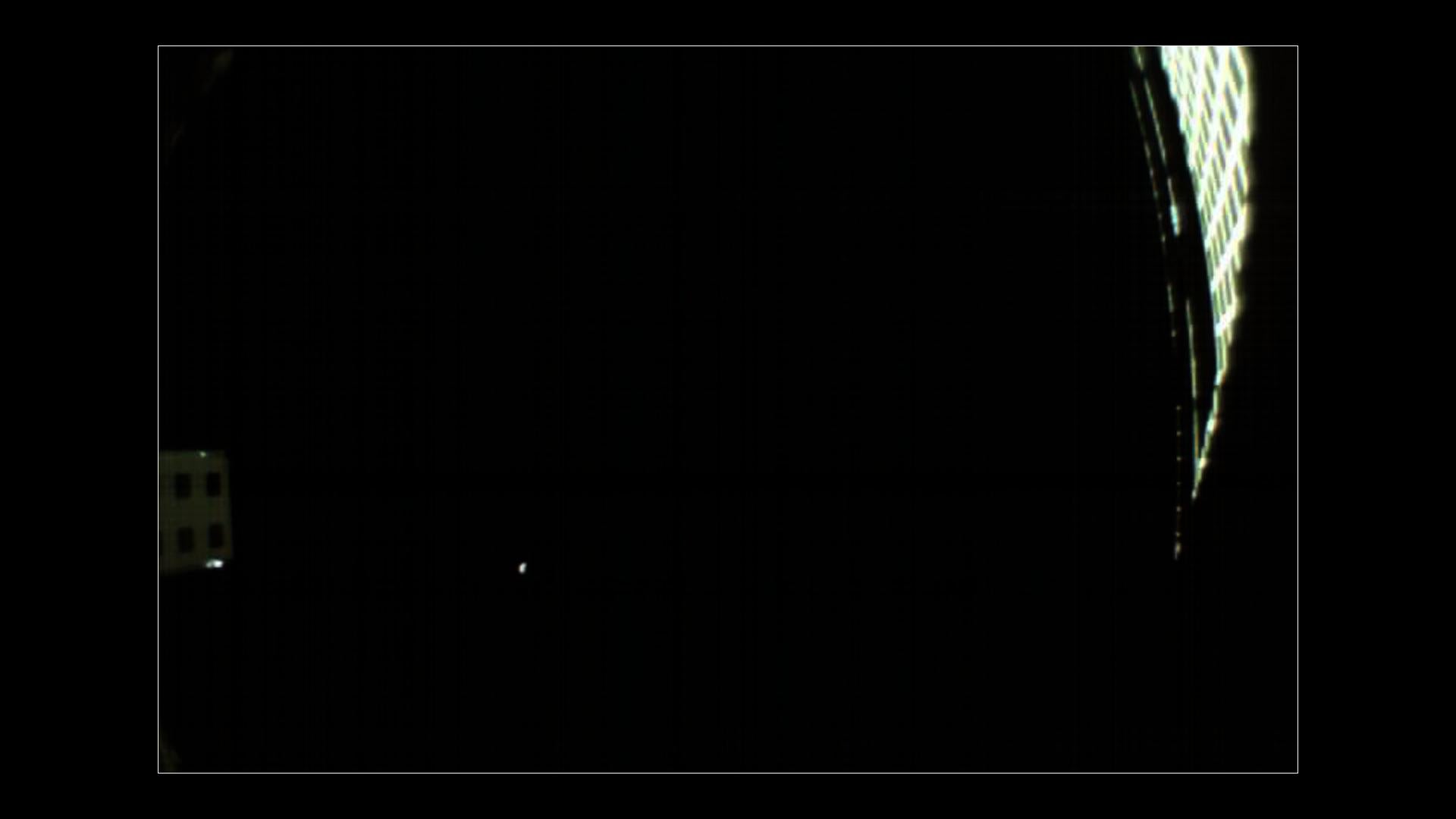
During Insight's landing on Mars the briefcase-sized MarCO spacecraft served as data relays, using their special flat antennae to beam data back to Earth. Two days ago, still 310,000 miles from Mars, MarCO-B sent back this wide-angle image, showing part of its high gain antenna (right) and antenna feed and thermal blanket (left), as well as an approaching Mars (lower left/center).
On supporting science journalism
If you're enjoying this article, consider supporting our award-winning journalism by subscribing. By purchasing a subscription you are helping to ensure the future of impactful stories about the discoveries and ideas shaping our world today.
Credit: NASA and JPL-Caltech
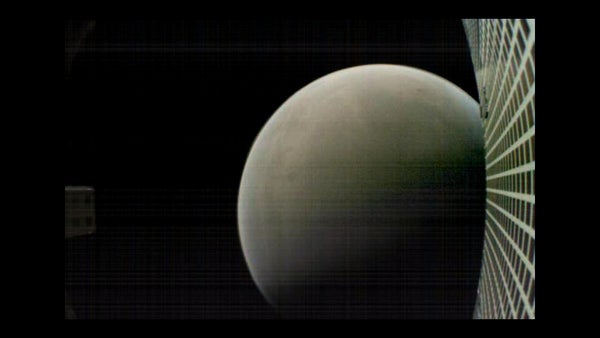
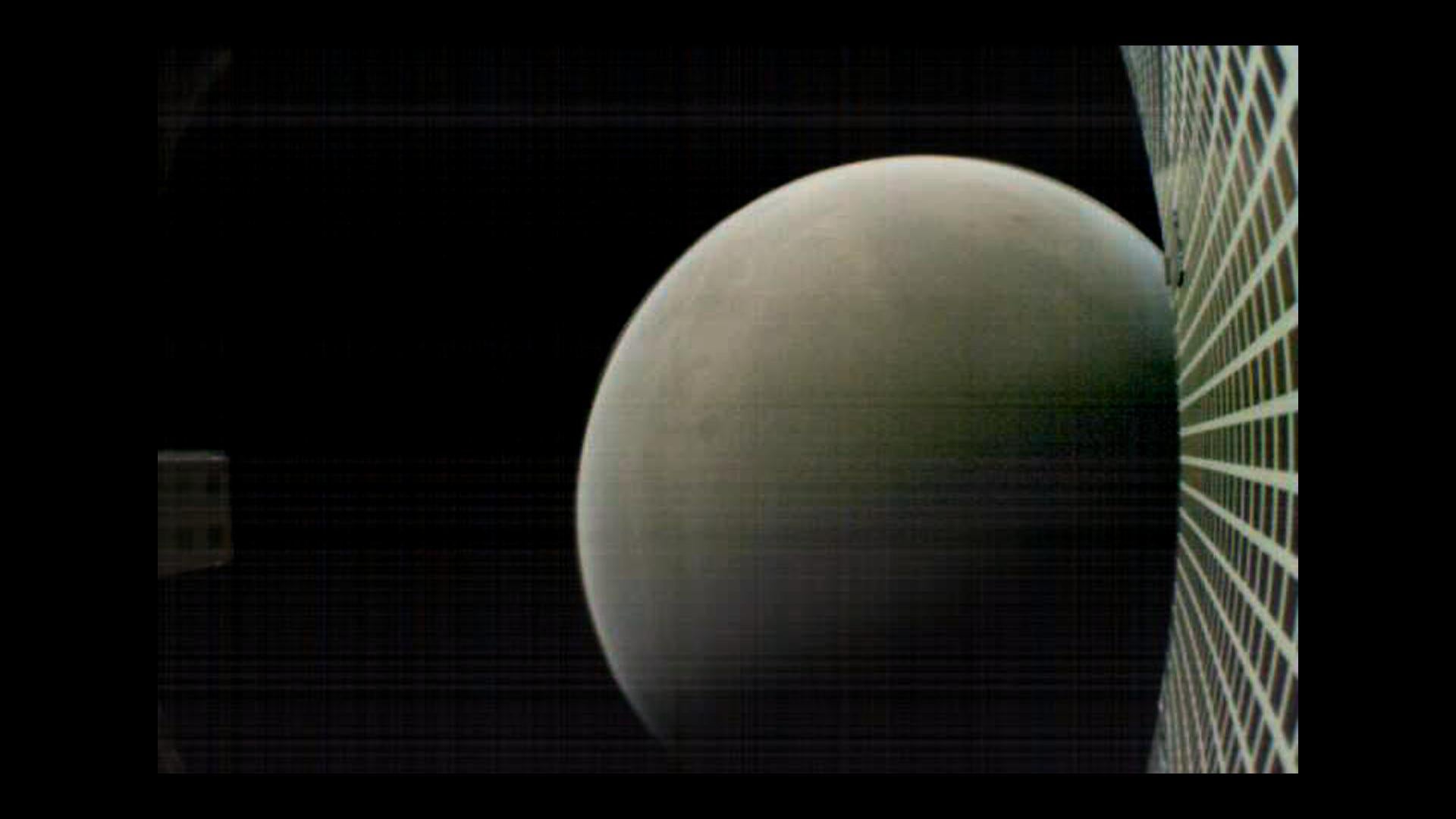
But buzzing by Mars at a closest distance of about 3,500 kilometers meant that these diminutive vehicles were never going to to stay. Instead they're now moving on, in an elliptical orbit around the Sun. Before they did though, one of the pair - MarCO-B, sent back the image below.
Credit: NASA and JPL-Caltech
It's a positively crude image by today's standards - it feels like the pioneering views of early space exploration. But it's also highly evocative of the reality of cosmic journeys; a grainy, last glimpse of another world from a tiny probe crammed with the technology of a restless, clever, and sometimes wonderful species. This feels like a real adventure.