
This article was published in Scientific American’s former blog network and reflects the views of the author, not necessarily those of Scientific American
In the 50 years since July 20, 1969, and the first humans landing on the moon, we’ve grown accustomed to seeing the same pictures of the Apollo 11 mission again and again. But there is a wealth of material beautifully archived at NASA. In honor of Neil Armstrong, Edwin “Buzz” Aldrin and Michael Collins, as well as the thousands of people who contributed to this extraordinary—and provocative, moving, controversial, epoch-making, tear-jerking and outrageous—undertaking, here are a few selected images that don’t often see the light of day—or space.

On July 12, 1969, Apollo 11 astronauts Buzz Aldrin, Neil Armstrong and Michael Collins take their final press conference from inside their semi-isolated NASA quarters (done to minimize the odds of getting sick and to allow for a period of intense last-minute training). Deke Slayton is seen on the stool at far left. Credit: NASA
.jpg?w=1350)
On the day of the launch, on July 16, 1969, Armstrong and Collins cross the walkway to the command module atop the Saturn V rocket. It will be an early-morning launch. Credit: NASA
On supporting science journalism
If you're enjoying this article, consider supporting our award-winning journalism by subscribing. By purchasing a subscription you are helping to ensure the future of impactful stories about the discoveries and ideas shaping our world today.

Saturn V launches, as seen from the Kennedy Space Center control room. Credit: NASA

Leaving Earth behind. Credit: NASA

Moon and Earthrise, with the lunar module in the foreground. Credit: NASA

First image taken by Armstrong after setting foot on the moon. Credit: NASA

Plaque left on the moon. Credit: NASA

Aldrin moving to place some of the mission’s experiments and devices. Credit: NASA
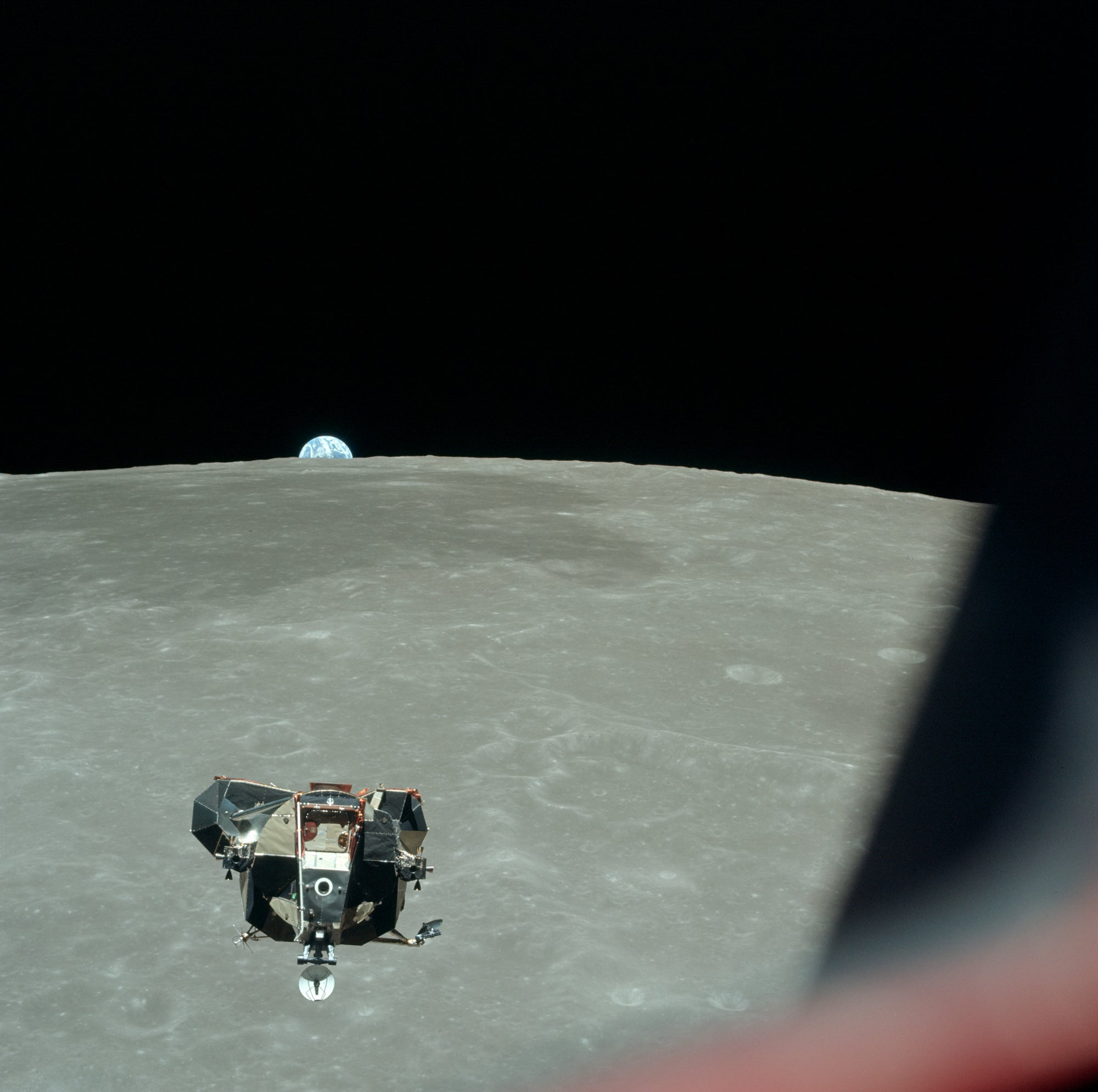
Lunar module returning to rendezvous with Collins.
Credit: NASA
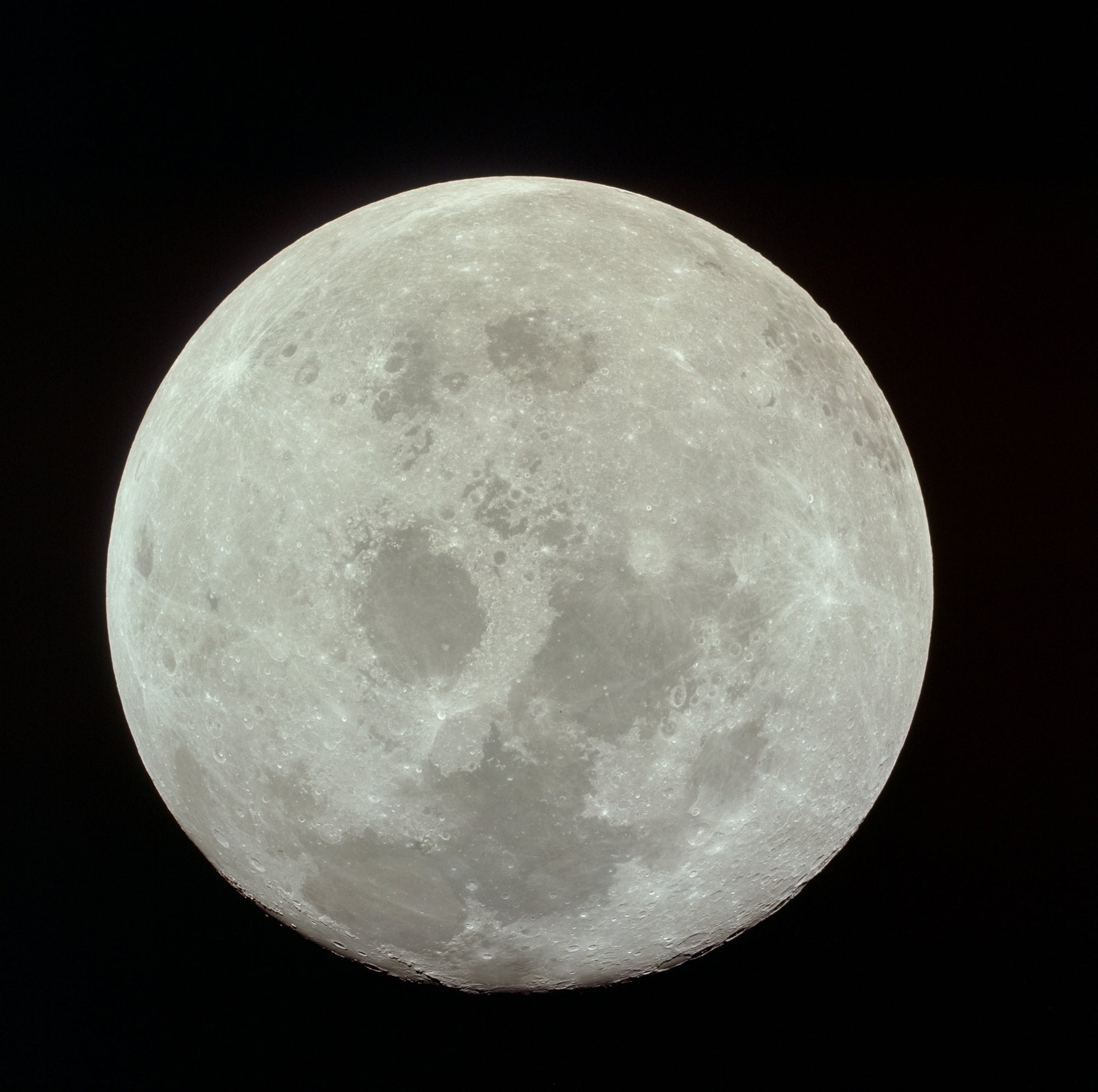
View of the moon after trans-Earth injection and the start of the astronauts’ return to Earth. Credit: NASA