
This article was published in Scientific American’s former blog network and reflects the views of the author, not necessarily those of Scientific American
Between our physical exploration of the extremes of Earth's geography and environment, the solar system, and our great astronomical devices, humans have become used to a certain intimacy with the near and far universe.
But it's not always easy to pinpoint what you're looking at when pictures are shown out of context. Here's a brief challenge for you: Can you identify the following images? If so you've definitely earned your cosmic merit badge.
[Answers and image credits are at the end of this post]
On supporting science journalism
If you're enjoying this article, consider supporting our award-winning journalism by subscribing. By purchasing a subscription you are helping to ensure the future of impactful stories about the discoveries and ideas shaping our world today.

(1)

(2)

(3)
(4)


(5)
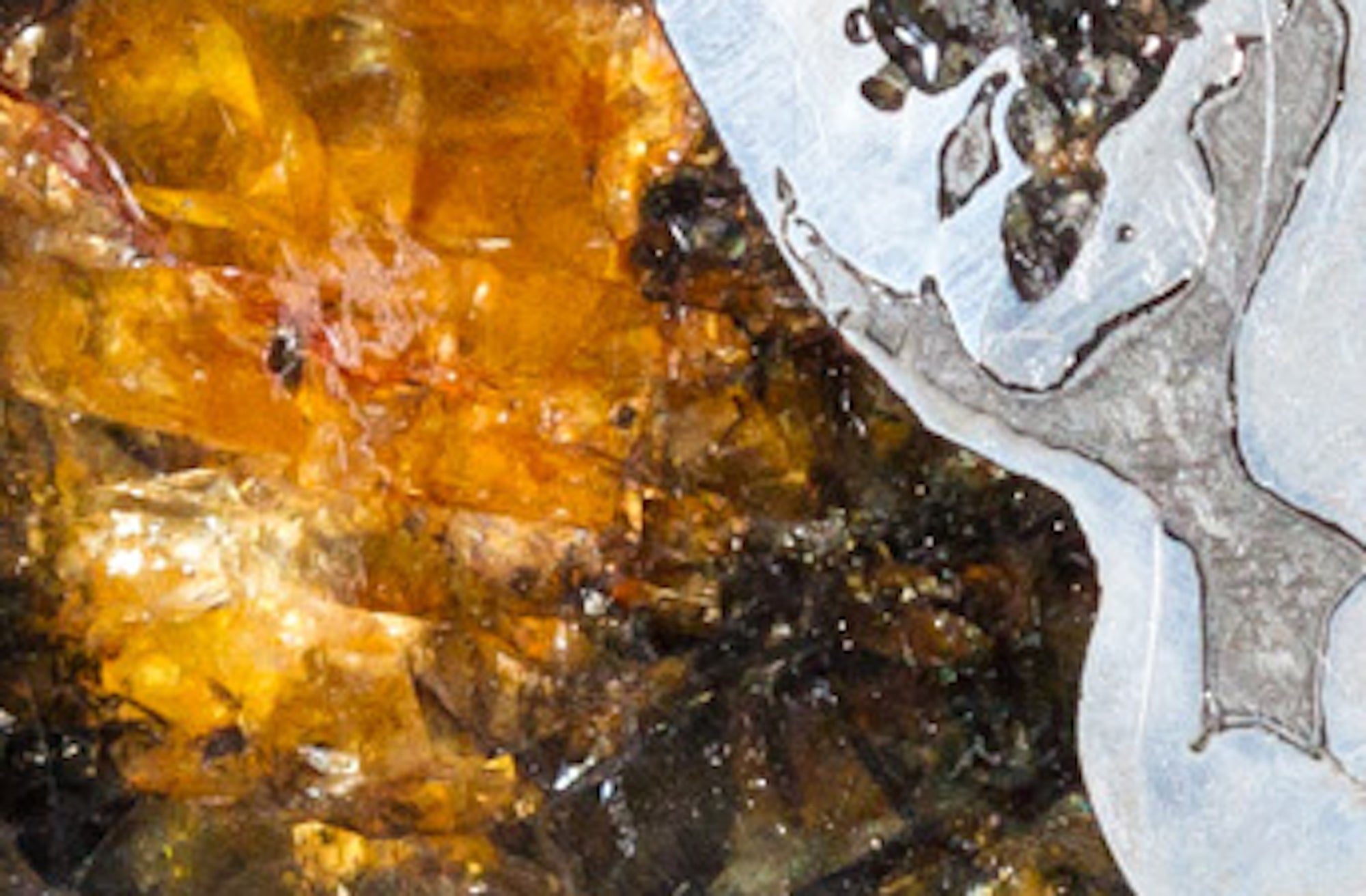
(6)
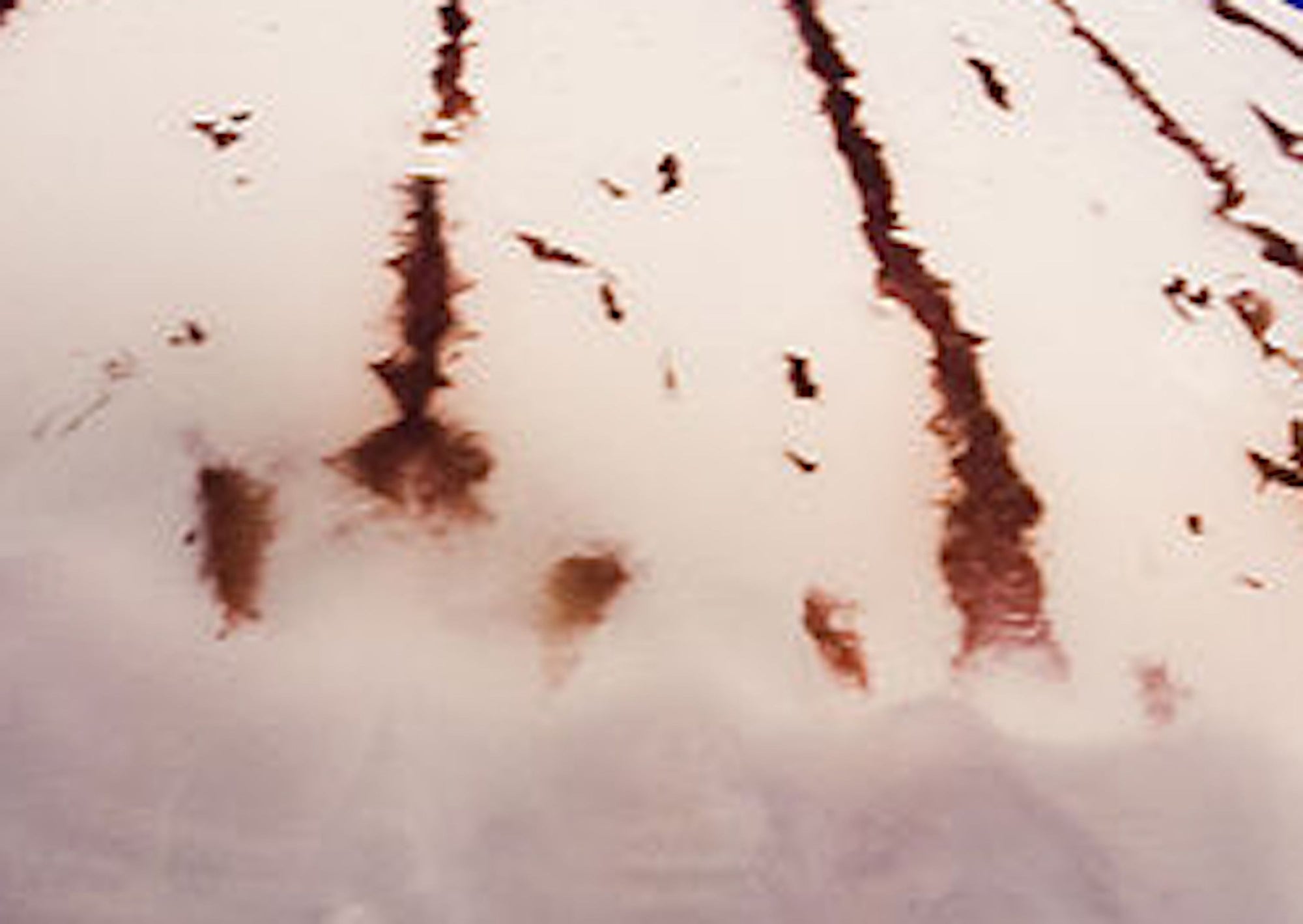
(7)
Answers:
(1) Large (over 150 micron) Martian sand-grains after sifting by the Curiosity rover. Image about an inch square. Credit: NASA/JPL-Caltech/MSSS.
(2) Part of a solar filament (dark) breaking away from the Sun in 2015, seen in extreme ultraviolet light where the filament plasma appears cooler and darker. Spotted by the SOHO's C2 coronograph. Credit: NASA/SOHO.
(3) Part of the image of a distant galaxy being gravitationally lensed by a foreground massive galaxy, image taken by the Hubble Space Telescope. Credit: NASA/STScI/ESA.
(4) The Tartarus Dorsa mountains on Pluto, view less than 100 miles across. Credit: NASA/JHUAPL/SWRI/New Horizons.
(5) The Jovian moon Io - a closeup of one small region on Io's volcanically active surface (over 400 active regions at any given time) taken by the Galileo probe. Credit: NASA / JPL / University of Arizona.
(6) Closeup of a cross-section of a meteorite with olivine crystal inclusions (yellow) in a nickel-iron alloy - a centimeter or so across. Credit: J. Debosscher, KU Leuven.
(7) A living landscape - the surface of a Purple-striped jellyfish (you can see the original here). Credit: Sanjay Acharya, and Monterey Aquarium/Creative Commons.
