
This article was published in Scientific American’s former blog network and reflects the views of the author, not necessarily those of Scientific American
Chocolates, roses and ... death? In the animal kingdom, not every species celebrates love with expensive dinners and doting cards. Semelparity—death by mating—exists in many species, making the act of lovemaking an act of suicide. While this strategy obviously has its drawbacks, these mating events have trade-offs that make them evolutionarily favorable.
In Australia, for example, males of the carnivorous marsupial genus Antechinusgo on fatal mating frenzies that can last up to 14 hours. A couple of weeks afterward, the males’ immune system breaks down because of the stress hormones produced during these frenzies. A single mating event results in a litter of about 10 offspring, which seems like a meager crop, given the sacrifice. But males inseminate multiple females during their frenzies.
Unfortunately, the females store sperm from multiple males before fertilization occurs, meaning that only the strongest sperm from the strongest males manage to fertilize eggs. This arrangement is an evolutionary advantage because only the best genes will be passed on to the next generation. Even more unfortunately, however, Antechinus populations have been depleted as a result of the recent bushfires that have killed millions of endemic animals in Australia.
On supporting science journalism
If you're enjoying this article, consider supporting our award-winning journalism by subscribing. By purchasing a subscription you are helping to ensure the future of impactful stories about the discoveries and ideas shaping our world today.
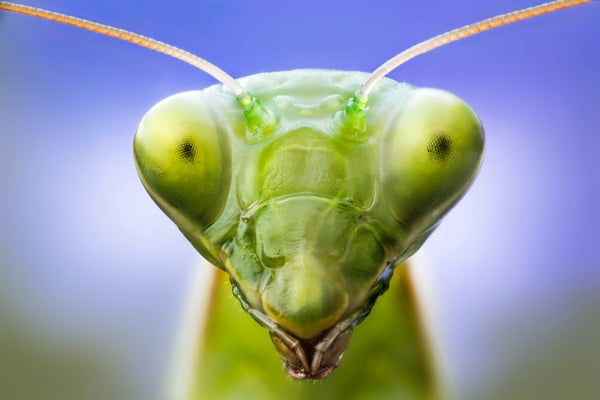
The best-known examples of semelparity come from insects and arachnids: Female black widow spiders are known for sometimes fatally biting males after mating, hence the name “widow.” Praying mantis females will decapitate and eat males after—and sometimes even during—mating events. Neither of these deadly practices has discouraged males from mating, however, because a single mating event in either species results in hundreds of offspring.
In sockeye salmon, females die about a week after mating, while males continue to seek mates and reproduce. A single mating event will result in between 2,000 and 5,000 fertilized eggs that are then buried in gravel depressions, known as redds, dug by the females before mating. In addition to making semelparity less disadvantageous, releasing such a massive quantity of eggs helps to ensure that a species highly prone to predation can have enough offspring mature to adulthood to perpetuate the population.
So when you’re enjoying a candlelit dinner with your loved one or indulging in some other romantic celebration of Valentine’s Day, please keep in mind that humans are not semelparous. In other words, please do not eat your mate.