
This article was published in Scientific American’s former blog network and reflects the views of the author, not necessarily those of Scientific American
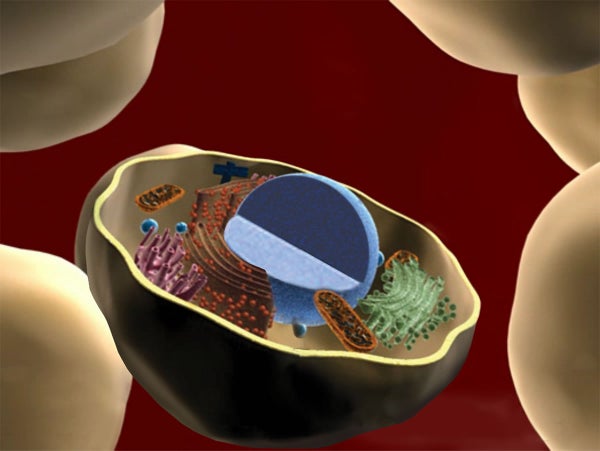
It can be hard to visualize how biology works at the molecular level, but biomedical animators like Drew Berry at the Walter and Eliza Hall Institute of Medical Research make it easy, using a wealth of data to create vibrant motion pictures of cellular processes in vivid color, complete with sound effects.
On supporting science journalism
If you're enjoying this article, consider supporting our award-winning journalism by subscribing. By purchasing a subscription you are helping to ensure the future of impactful stories about the discoveries and ideas shaping our world today.
Cells act like small cities, with proteins and other molecules moving between different factories. But they can’t move themselves. They need motor proteins to pull them or walk around. At 3:10 in this animation, you can watch two motor proteins, dynein (pale green) and kinesin (orange), strut their stuff.
Animators like these integrate studies about structure, energy, and more to know just where and when to place every molecule. The hues and the sound of footsteps give them personality and bring them to life. You can watch animations on more cellular processes on WEHI’s online platforms, without needing to walk with any motor proteins to get there.