
This article was published in Scientific American’s former blog network and reflects the views of the author, not necessarily those of Scientific American
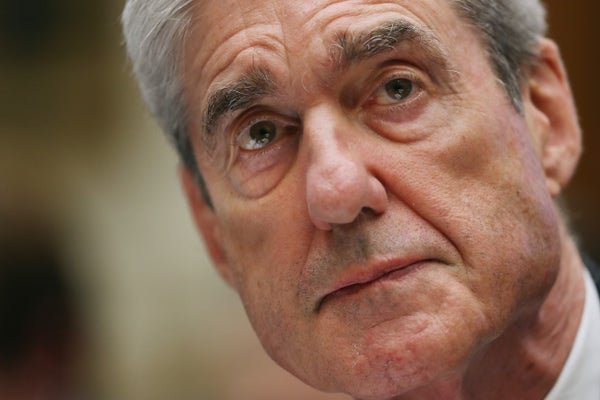
Robert Mueller has shown a steadfast determination to remain as apolitical as possible in releasing his report and in his congressional testimony. Which is a tall order, given his task to investigate the president of the U.S. in a hyperpartisan political climate. It is easy to understand why he would not want to get dragged into the political food fight that is the unfortunate norm in Washington today. He has risked providing clarity on what the report really means, however.
In his hearing, his succinct answers provided little more understanding than the misinformation about the report believed by the American people.We’ve seen a similar reluctance on the part of scientists, who often say they don’t want to be perceived as political—or even worse, partisan. They’re afraid that such an image could undermine their credibility in presenting the data they spend their careers investigating. The reality is that their research is often funded by taxpayers—and taxpayers and lawmakers do, in fact, want a big-picture conclusion.
At 314 Action, our aim is to push scientists to get involved beyond an advisory role—to not just put the evidence out there and think it can speak for itself but rather communicate directly with the public and present the possible next steps. It is in this same regard that Mueller failed.
On supporting science journalism
If you're enjoying this article, consider supporting our award-winning journalism by subscribing. By purchasing a subscription you are helping to ensure the future of impactful stories about the discoveries and ideas shaping our world today.
He made it clear he doesn’t want to prescribe a next step for Congress. Since even before the report was released to the American public, we have been hearing about what it means from partisans instead of Mueller, to the detriment of clarity.
We have no idea how many members of Congress actually read the report, but the average person who follows the news would rightly conclude that they cannot agree on even what the report says, never mind next steps. That is why we needed to hear from Mueller what, exactly, the evidence points to and what he would recommend.
Science is the pursuit of answers. That fact is why scientists work so hard, every day, to deliver important truths about our world. Shouldn’t we demand the same from those in a role like Mueller’s, in which the integrity of our democracy itself hangs in the balance? What I often tell scientists is that you don’t have to say everything to say something. In a time when our country is so divided and so many leaders can’t even agree on the facts, the former special counsel setting the record straight would have gone a long way.
Perhaps this moment can be a lesson, not only for scientists but for future generations of leaders in government and politics: when the stakes are high, we cannot count on the facts speaking for themselves.