

This article was published in Scientific American’s former blog network and reflects the views of the author, not necessarily those of Scientific American
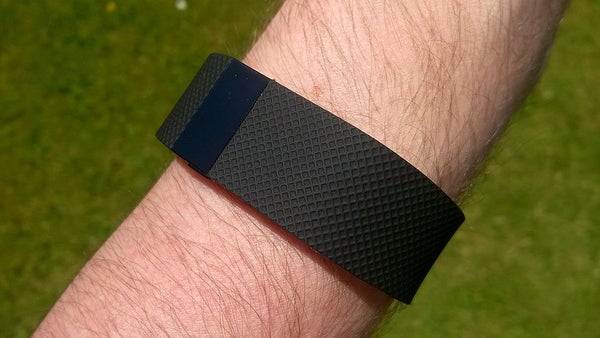
Fitness trackers and other wearable devices provide quantifiable information that helps users increase physical activity, engage in friendly competition and improve fitness. But simply having access to information is not the same as knowing what it means or what to do with it—and the market for these gadgets is slumping.
Many of these devices, such as Fitbits or Apple Watches, seem geared to appeal to the young, healthy and affluent consumer who can easily afford expensive smartphones or other gadgets. As research suggests, they also happen to be the least likely to be obese or to have high cholesterol—the kinds of health problems that fitness trackers try to address by motivating consumers to be more active or eat healthier. If the appeal of wearables is, well, wearing off—and data from wearables is not helping people meaningfully change their health behaviors—part of the problem may be the narrow set of health-related concerns that personal health wearables tend to emphasize.
Manufacturers could help reinvigorate the market for personal health devices by targeting a larger, broader community of users that could directly benefit from the information. Devices that are designed specifically for users who require consistent updates on their personal health data—such as heart rate, blood oxygen levels, or blood glucose levels—may encourage more consistent use. Research from the Pew Foundation has shown that nearly half of adults have one or more chronic health problems like diabetes, hearing loss or heart disease. And those with one chronic health problem are twice as likely to monitor their personal health data as those without such health problems.
On supporting science journalism
If you're enjoying this article, consider supporting our award-winning journalism by subscribing. By purchasing a subscription you are helping to ensure the future of impactful stories about the discoveries and ideas shaping our world today.
One challenge to building a bigger market is that personal health depends less on personal fitness habits than commonly believed. Recent research suggests that community-wide factors—such as education, employment and neighborhood environment—affect individual and community health and well-being more so than individual health behaviors alone, such as exercising or healthy eating. Across the United States, where someone lives and how much they earn is strongly related to life expectancy.
Instead of continuing to focus narrowly on health and fitness, makers of these devices should consider seeking creative ways to incorporate other measures of health and well-being into them. Miniature motion sensors, cameras, barometers, and sophisticated algorithms that recognize voices, faces or landmarks—all of which are already available on smartphones and wearable devices—might be used to gauge a neighborhood’s air quality, the amount of green space, how safe it is, the presence of public art, or the level of social connectedness.
Air Louisville, an innovative community partnership program that began in 2012, takes this approach. The program gives out free sensors to attach to asthma inhalers, which track when and where people in Louisville, Kentucky, experience asthma symptoms and take medication to deal with them. The result is real-time air quality information that city leaders could use to make data-driven decisions about how to try to improve air quality. As of last fall, Air Louisville had collected data from 97,000 inhaler uses by 1,100 residents diagnosed with asthma. By connecting inhaler use to weather, pollution or traffic conditions, the city could target certain areas for such specific interventions as introducing congestion pricing (to cut down on the number of vehicles on the road) or rearranging noise barriers on city streets (the barricades have been shown to spread air pollutants).
Trackers focused on well-being also could complement similar citizen science efforts by helping members of the public who are already collecting information about the well-being of their community. During the contaminated water crisis that began in 2014 in Flint, Michigan, residents sounded the alarm and eventually collaborated with researchers to help figure out what was going on. Volunteers knocked on doors in Flint to collect samples of tap water in homes, initially collecting about 270 samples. But when they returned to see whether conditions had improved, many of the residents had moved away, unintentionally thwarting the data collection and analysis.
Smart devices might have prevented that. Because they can repeatedly sample community conditions like air or water quality, or monitor health conditions (such as lead levels in blood), wearables can reveal trends and help pinpoint when changes occur. If trackers being worn across the community had been able to connect the dots, the polluted water might have been detected much earlier, possibly preempting the full-blown crisis.
Wearables offer potential benefits far beyond monitoring heart rate or counting the number of steps walked. Wearable data could be combined with other health indicators present in nontraditional data (like social media content) or traditional data (like that gleaned from the U.S. Census or clinical and public health systems). Manufacturers could look for opportunities to ease the constant burden of self-monitoring for those with chronic diseases or disabilities and to partner with policymakers, who increasingly recognize the potential in digital health data.
City governments have used social media information to improve food safety, monitor outbreaks of the Ebola virus and disrupt illegal drug distribution. In a major drive to use technology to reduce patient deaths, England’s National Health Service has made devices and apps available free to millions to help them manage conditions such as diabetes and heart disease.
Although their popularity may be in flux, personal health apps and wearables are likely here to stay. Those designed to help people who will actually benefit from them most will have the potential to help people function more effectively in the world, inform data-collection for public health—and improve community well-being.