
This article was published in Scientific American’s former blog network and reflects the views of the author, not necessarily those of Scientific American
Don’t be too quick to throw away those Thanksgiving leftovers. By saving that turkey and stuffing to eat another day, you can help save a lot of energy from ending up in the garbage bin.
Each day, the average American household throws away a pound and a half (~0.7 kilograms) of food. Over the course of a single year, these pounds amount to the energy equivalent of throwing 350 million barrels of oil into the trashcan according to a study from the University of Texas at Austin that we have previously discussed here on Plugged In.
To put this figure into perspective – 350 million barrels of oil is the equivalent of:
On supporting science journalism
If you're enjoying this article, consider supporting our award-winning journalism by subscribing. By purchasing a subscription you are helping to ensure the future of impactful stories about the discoveries and ideas shaping our world today.
about 2% of total annual energy consumption in the United States
about 20% of the nation’s net energy imports
twice the amount of energy that Switzerland (with its more than 8 million people) consumes in an entire year
In their study, UT Austin Professor Michael E. Webber and his former graduate student, Amanda Cuellar, estimated the energy that is embedded in wasted food in the United States. In other words, they calculated how much energy was used to get food to our tables, which is wasted when that food ends up in the garbage bin. Their process involved calculating the energy intensity of the food production supply chain including the following steps for different types of food:
agriculture (i.e. growing/raising food)
transportation (i.e. moving food from field to processing plants)
processing
food sales
storage
preparation
You can read more of the details of the findings in this study here.
In the week after Thanksgiving, Americans will throw away almost 200 million pounds of turkey according to the Natural Resource Defense Council. If you want to save some money (and energy), explore some ways to use those leftovers (for those who like to cook, NPR has some ideas).
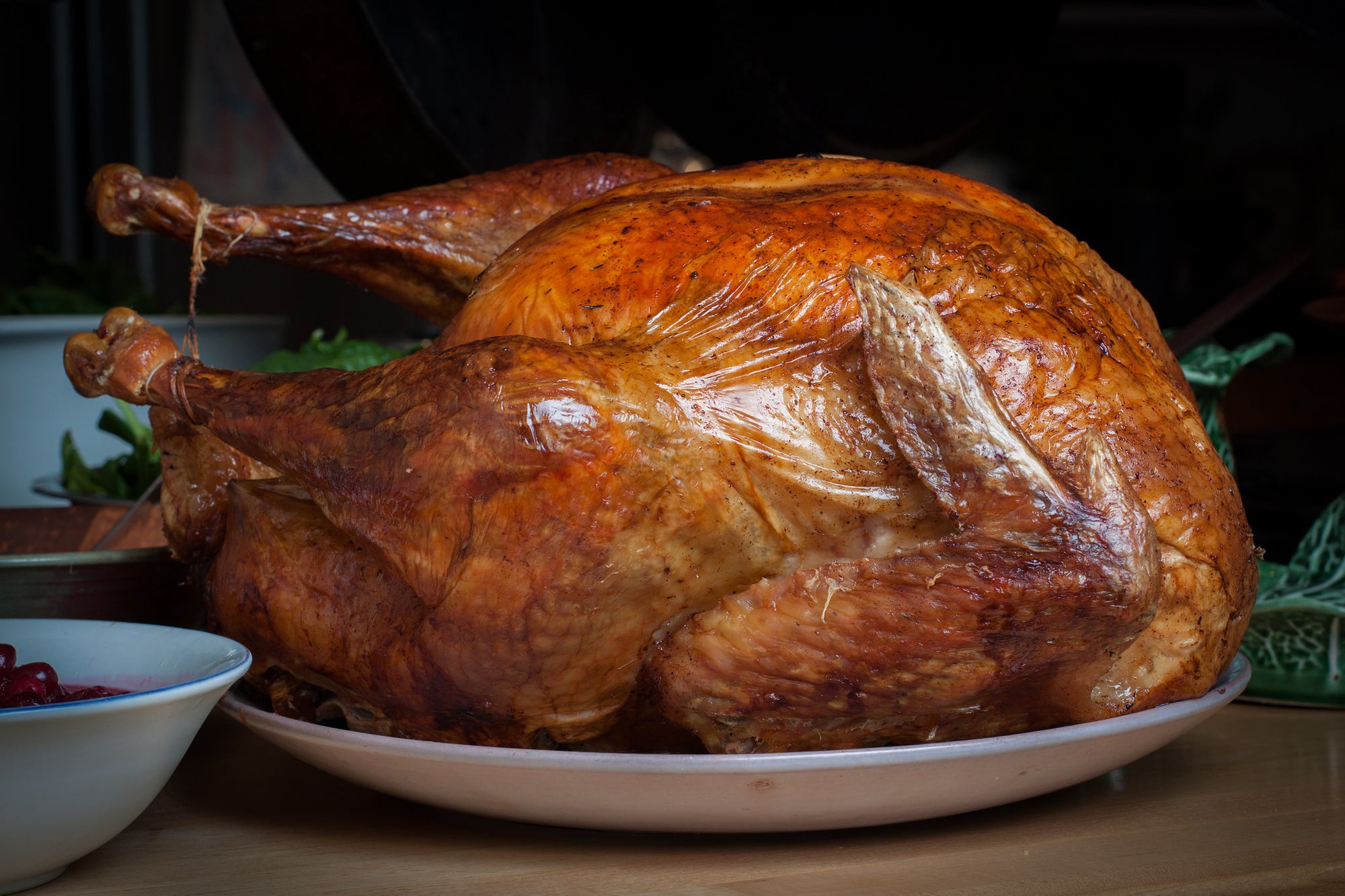
Thanksgiving turkey. Credit: Tim Sackton Flickr (CC BY-SA 2.0)