

This article was published in Scientific American’s former blog network and reflects the views of the author, not necessarily those of Scientific American
This week, U.S. Secretary of Energy Rick Perry accepted the “Good Neighbor Award” given by the U.S.-Mexico Chamber of Commerce. The award was given in recognition for his work to “foster collaboration” between the two countries while serving as the Governor of Texas and highlights the connections between the US and Mexico energy industries.
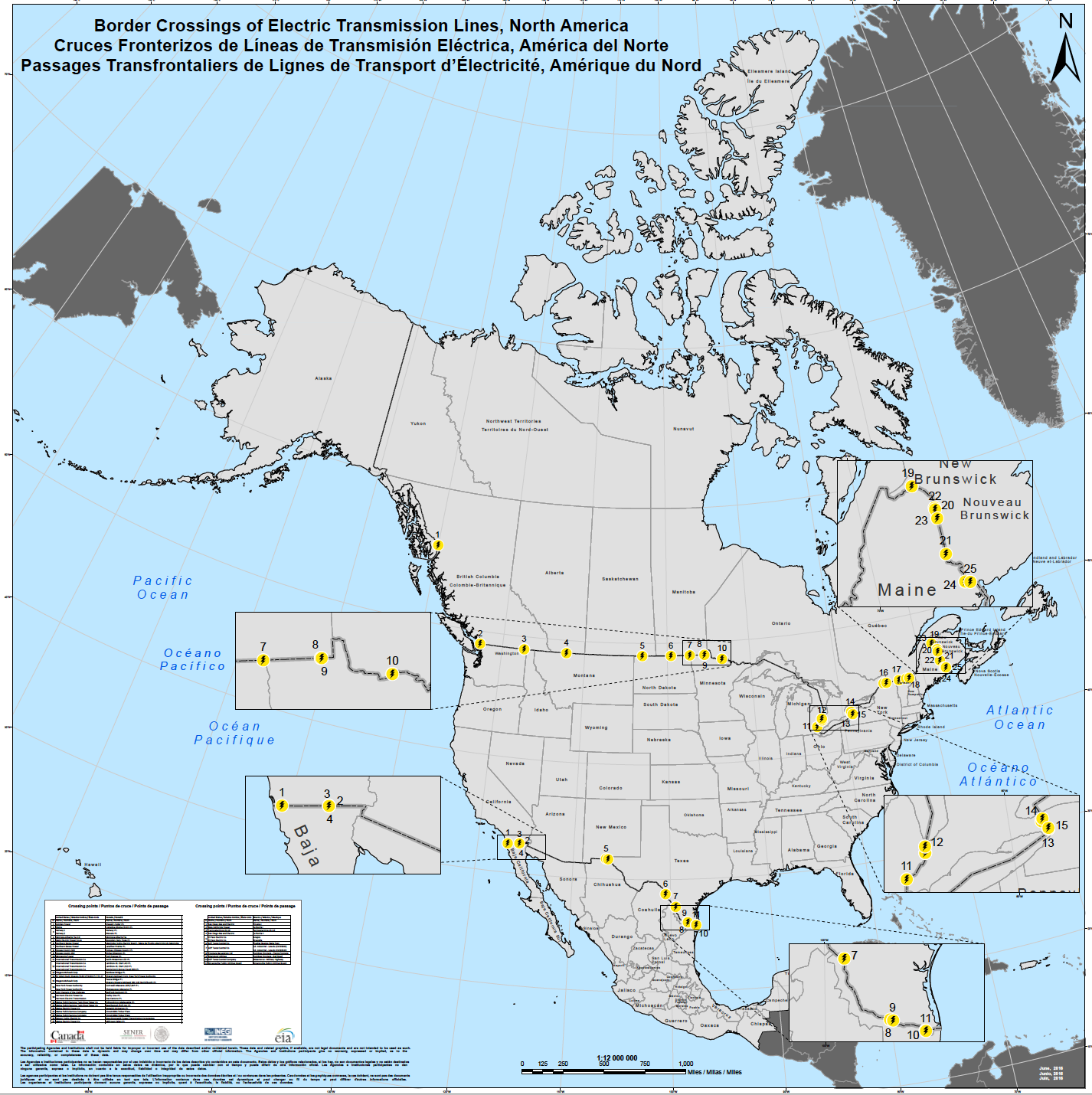
In particular, there are currently 11 sets of transmission lines straddling the border between the US and Mexico, with a majority sitting on the Texas border. These lines allow electricity to be traded between the two countries. In fact, one power plant – the Frontera combined cycle plant in Mission, Texas - sends 100 percent of its electricity across the border.
On supporting science journalism
If you're enjoying this article, consider supporting our award-winning journalism by subscribing. By purchasing a subscription you are helping to ensure the future of impactful stories about the discoveries and ideas shaping our world today.
A primary reason for this trade lies at the cost of electricity in Mexico, which is 25% higher than in the United States and amongst the highest in the Northern hemisphere. Furthermore, while the cost of generating electricity has declined over the past 12 months in the United States, power in Mexico has remained expensive and somewhat unreliable. Conversely, Mexico’s power plants can serve a back-up resource if more power is needed north of the border.
According to an article published this month by University of Texas journalism fellow Lorne Matalon, decision makers and industry executives on both sides of the border are working to expand the connections between the power grids in the U.S. and Mexico. In the recent article, Matalon quotes Mexican Energy Undersecretary César Hernández Ochoa in saying:
"This year we are starting to build a stronger interconnection between Nogales, Sonora and Nogales, Arizona…In a more efficient world, we would see that happening all across the border."
To hear more about cross-border electricity transmission between the U.S. and Mexico, check out Lorne Matalon’s article and podcast here.