
This article was published in Scientific American’s former blog network and reflects the views of the author, not necessarily those of Scientific American
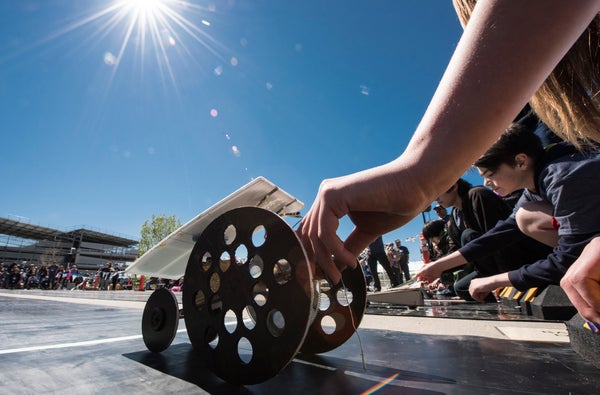
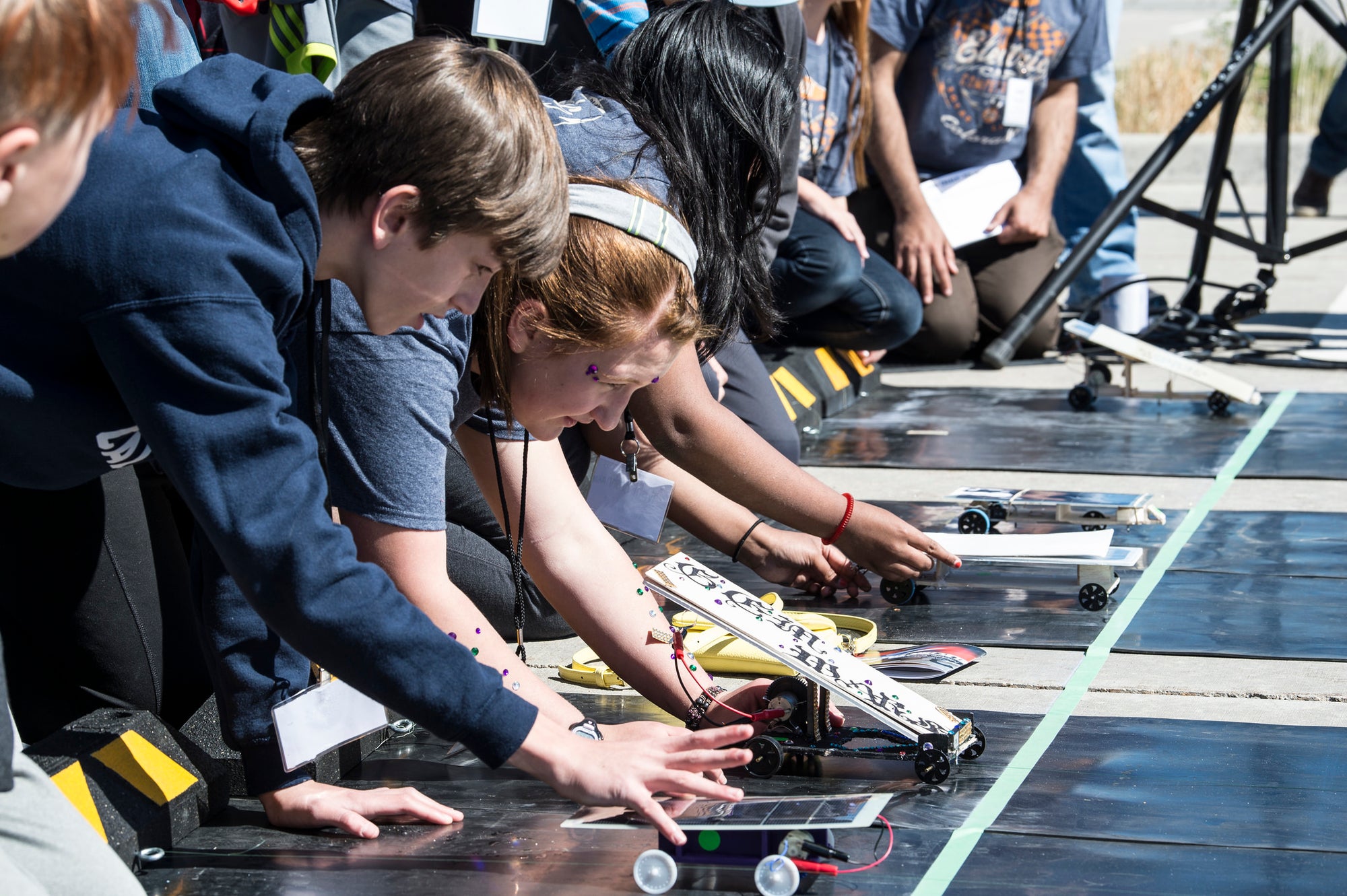
This month, students from eighteen Colorado middle schools raced in the 27th Annual Junior Solar Sprint and Lithium-Ion Battery Car Competitions. The event included fifty-three teams (around 170 students) who gathered at the National Renewable Energy Laboratory to spend the day racing vehicles that they designed and built.
Of these teams, thirty-one raced solar-powered cars and the rest relied on vehicles powered by lithium-ion batteries.
For the lithium-ion battery car competition, the time trials were dominated by two teams from the Stargate School located north of Denver in Thornton, Colorado. For the solar-powered races, two teams from Manning Options School rose to the top.
On supporting science journalism
If you're enjoying this article, consider supporting our award-winning journalism by subscribing. By purchasing a subscription you are helping to ensure the future of impactful stories about the discoveries and ideas shaping our world today.
.jpg?w=2000)
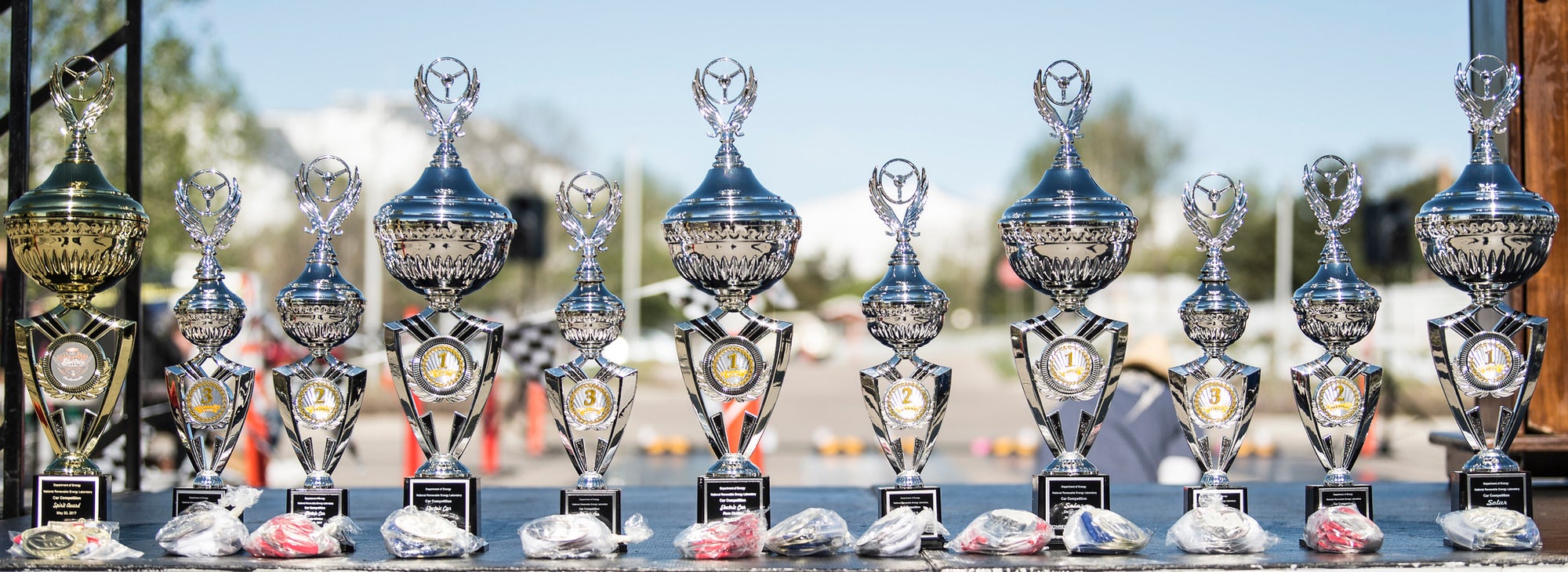
At the end of the day, trophies were given out for:
the fastest solar-powered model cars: Stargate School’s Purple and Silver Teams (1st and 3rd place, respectively) and Ken Caryl Middle School’s KCMS #1 (2nd place)
technology, craftsmanship and innovation for solar-powered car design: to Hulstrom K-8’s team “Rainbow Unicorns” (1st place) and “Solarollers” (2nd place) and Resurrection Christian Middle School’s “Cougars 1” (3rd place)
the fastest lithium-ion-powered model cars: Manning Options School’s “Manning Battery #1” (1st place) and “Manning Batter #2” (3rd place) and Parker Performing Arts School’s “PPA Battery #1” (2nd place)
technology, craftsmanship and innovation lithium-ion design: Parker Performing Arts School’s “PPA Battery #1” (1st place) and Hulstrom K-8’s “Iron Tires” (2nd place) and “Lithium Lightning” (3rd place)
Furthermore, “The Electrifiers” from Mead Middle School, located about 40 miles north of Denver, received the competition’s “Spirit Award” for their good sportsmanship, fairness, and respectful behavior in the battery-powered car competition.
Congratulations to all of the students!
Credit: Dennis Schroeder NREL Flickr(CC BY-NC-ND 2.0)