
This article was published in Scientific American’s former blog network and reflects the views of the author, not necessarily those of Scientific American
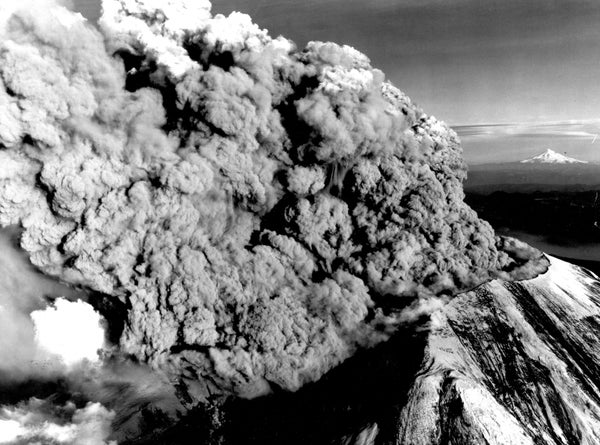
United States volcanoes sure have been busy grabbing our attention this spring! Both Mount St. Helens and Mount Hood have experienced earthquake swarms (which, darn it, is completely normal activity and not a sign of imminent eruptions. Kilauea had some exciting new lava breakouts recently. And Mauna Loa just got bumped from normal to advisory status due to an increase in seismic activity (although it's not quite signalling an eruption - yet).
These volcanoes are quite different from each other, but they share two things in common: they're pretty popular, and their eruptions can have some pretty serious effects on urban areas.
On supporting science journalism
If you're enjoying this article, consider supporting our award-winning journalism by subscribing. By purchasing a subscription you are helping to ensure the future of impactful stories about the discoveries and ideas shaping our world today.
You may have these or other volcanoes as neighbors. It pays to be aware of what they're up to and what they're capable of. You'll definitely want a plan for coping with any of their shenanigans! So here are six easy steps all of us living near active or potentially-active volcanoes can follow to keep safe and happy.
Look up your nearest volcanoes on your country's geological survey website.
Check out the hazards map. Don't have a hazards map? Bug your politicians for one!
PANIC!
No, wait, DON'T PANIC. Stop that panicking. You're fine. Everything's fine. Seriously, it is. Hazard maps look scary, yeah, but you can cope with this.
Come up with a plan. Check with your local and state/provincial emergency management folks for evacuation routes and other necessary info. Have your important stuff, your communications, and everything else you'll need for fleeing an eruption scoped out and ready to go for when your friendly neighborhood geologists say, "Oh, bugger, she's gonna blow!"
♥ volcano monitoring. Make sure your government knows it's important. That's how you'll know to put your plan into effect in plenty of time to stay safe.
See? Easy-peasy! Now you can sit back, relax, and enjoy the dangerous but beautiful and exciting fire mountains near you.

