
This article was published in Scientific American’s former blog network and reflects the views of the author, not necessarily those of Scientific American
I gave a talk on the Columbia River Flood Basalts to our local 4H Club a bit ago, and got a request afterward for book recommendations. I figured I'd stick them here since we're shortly going to be discussing both the flood basalt province and the Missoula Floods in depth. Whether you're looking for cool summer reading (Southern Hemisphere) or some hawt winter stories (Northern Hemisphere), I've got you covered. Here's your all-ages pass to the stories behind some of the most spectacular landscapes on Earth!
Books for Kids
There are, unfortunately, no children's books dedicated to either topic. But they're covered at least a little in the following book, and you'll learn a lot about other awesome geological processes at work in the Pacific Northwest, too.
On supporting science journalism
If you're enjoying this article, consider supporting our award-winning journalism by subscribing. By purchasing a subscription you are helping to ensure the future of impactful stories about the discoveries and ideas shaping our world today.
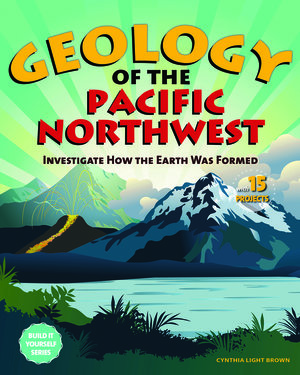
Credit: Cynthia Light Brown
Easy, Breezy Books for Adults
Alas, no one's written a really good book on the Columbia River Flood Basalt Province for laypeople, but there are a ton of great non-technical books about the Missoula Floods, and most of them talk a bit about the eruptions that created the enormous expanses of basalt the floods later carved into the coulees of the Channeled Scablands. All of these are great resources for understanding how those baffling landscapes came to be.

Credit: Ooligan Press
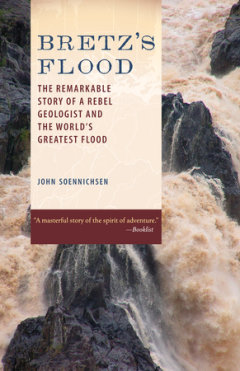

Credit: Mountain Press
Glacial Lake Missoula and Its Humongous Floods by David Alt
Field Guides
Here are a few absolutely marvelous guides to the Channeled Scablands, and some more guides that include features on the Washington and Oregon coasts that were formed when enormous floods of molten basalt reached the Pacific Ocean. These are indispensable for anyone who's going to be traveling through these areas and wants to know more about what they're seeing.

Credit: Mountaineers Books
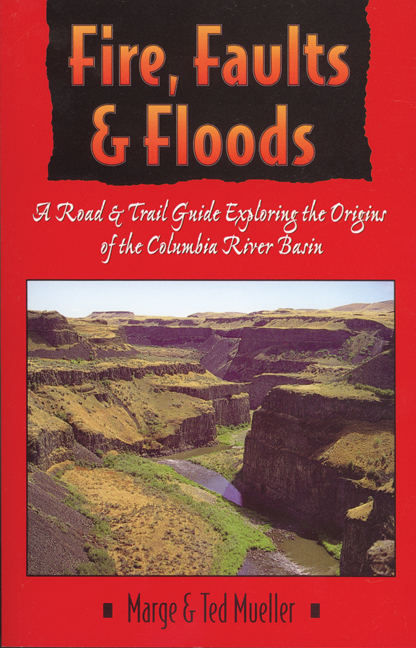
Credit: Caxton Press
Credit: Keokee Books
On the Trail of the Ice Age Floods: a Geological Field Guide to the Mid-Columbia Basin by Bruce Bjornstad and Eugene Kiver
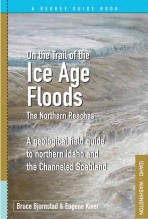
Credit: Keokee Books
On the Trail of the Ice Age Floods - Northern Reaches by Bruce Bjornstad and Eugene Kiver

Credit: Mountain Press
General Guides to the Region
Roadside Geology of Washington by Marli B. Miller and Darrel S. Cowan

Credit: Mountain Press
Roadside Geology of Oregon by Marli B. Miller
Ready to Get Technical?
For those of you who aren't afraid to handle the super hard stuff, here are some books written for advanced audiences. They're difficult, but keep in mind that geology is a very friendly science, and these might prove easier to grasp than you think!

Credit: Geological Society of America
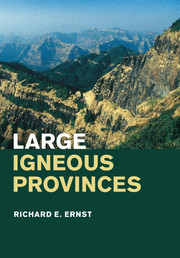
Credit: Cambridge University Press