
This article was published in Scientific American’s former blog network and reflects the views of the author, not necessarily those of Scientific American
It’s the SciAm Blog Network’s first birthday! Let’s stare inscrutably at things that move, cry till it hurts, throw up on ourselves a little bit and whatever else one-year-olds do at their own birthday parties. I’ve only been here a little while, but what an amazing community to be a part of.
Speaking of birthdays, how do our animal friends get to celebrate theirs? With incredible cakes, if you happen to live at the Dallas Zoo. I can’t believe this program, which they posted on their website for their June 21 ‘Zoo-wide Animal Birthday Party’ this year:
Animal birthday treats served and cards to sign at each of the following:
11:00 a.m. Mookie Chimp
11:30 a.m. Zephyr Peccary and Honeydew Tapir – icy fruit cake with photinia browse, frozen melons & pineapples
11:30 a.m. Giraffe
12 noon Hogs
1:00 p.m. Meerkats – interactive structure made of watermelons & sweet potatoes
1:30 p.m. Batu Tiger – icy treat made of meat flavored with blood, milk & bone layers, topped with ribbons of deer hide
1:30 p.m. Ann Okapi
2:00 p.m. Shadow and Betty Wattled Cranes
2:30 p.m. Tank the Pony – kiddie pool-sized cake with corn & fruit iced with streamers of coastal hay
3:00 p.m. Galapagos Tortoise
3:00 p.m. Apollo and Lakai Cougars – layered ice treat with meat filling between blood flavored ice topped with catnip and herbal scents.
On supporting science journalism
If you're enjoying this article, consider supporting our award-winning journalism by subscribing. By purchasing a subscription you are helping to ensure the future of impactful stories about the discoveries and ideas shaping our world today.
You can clearly pick the staff favourites, why didn’t everybody get some kind of pool-sized blood-flavoured milk-bone thing?
As part of our own birthday celebrations, we’d like to get to know our readers, and like Ed Yong over at Discover does every year, we’re asking you to tell us who you are in the comments section. So…
1) Tell us about you. Who are you? Do you have a background in science? If so, what draws you here as opposed to meatier, more academic fare? And if not, what brought you here and why have you stayed? Let loose with those comments.
2 ) Tell us how you found us, or regularly follow us. Is it through Twitter, Facebook and/or other beyond-RSS mechanisms that you may use to corral your information stream?
3) Tell us what you’d like to see more of. In particular, are there any strange animals that you want to know more about?
And if you like us, why not tell someone else about this and the other blogs on the network? Choose someone who’s not a scientist but who you think might be interested in the type of stuff found in this blog. Ever had family members or groups of friends who’ve been giving you strange, pitying looks when you try to wax scientific on them? Send ‘em here and see what they say.
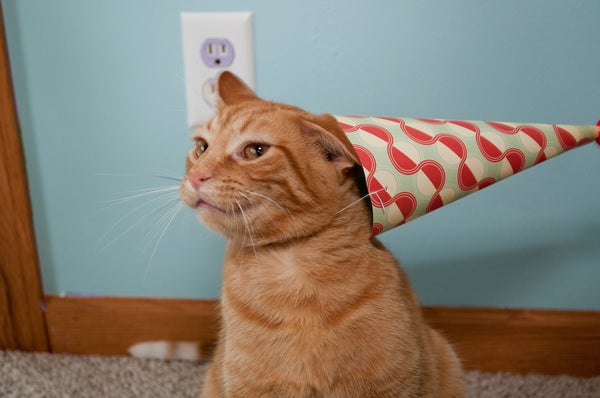
Birthday cat by jfliess @ Flickr