
This article was published in Scientific American’s former blog network and reflects the views of the author, not necessarily those of Scientific American
Like musicians whose voices resonate long after they're gone and authors whose ideas live on in books and papers, scientific illustrators take pride knowing that their illustrations will inform scholars for generations to come. Carolyn Bartlett Gast, a scientific illustrator who spent over 30 years illustrating at the National Museum of Natural History, left more than images when she passed away this month. She was a founding member of the Guild of Natural Science Illustrators (GNSI), a professional group that caters to artists who communicate science through visuals.

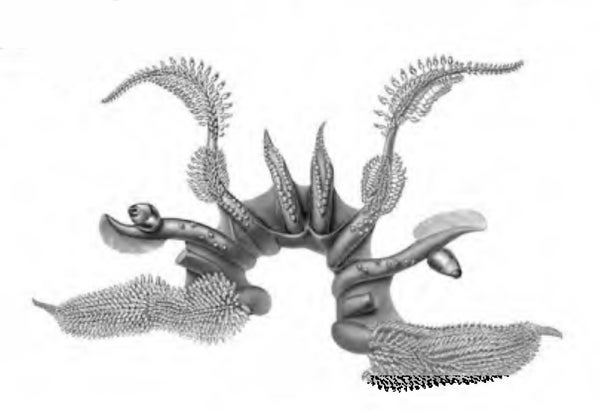
Illustration of Pliciloricus enigmatus by Carolyn Gast, National Museum of Natural History. From a condensed Smithsonian report, New Loricifera from Southeastern United States Coastal Waters
When the GNSI was founded in 1968, there were just 21 members. In the intervening years, the Guild has expanded considerably, now with 12 local chapters in addition to the national organization, all of which are active year round putting on exhibits, workshops, lectures and more. I, for one, credit the Guild with welcoming me and providing a wealth of resources and education opportunities as I chose science illustration as my career. Thank you, Carolyn, for your part in making the GNSI the thriving organization it is today.
On supporting science journalism
If you're enjoying this article, consider supporting our award-winning journalism by subscribing. By purchasing a subscription you are helping to ensure the future of impactful stories about the discoveries and ideas shaping our world today.

Oral view of the arm crown of A. alveatus with tentacles removed for clarity. Illustration by Carolyn Gast.
For those interested in reading more about Carolyn Gast and her career, here are some additional links:
A Brief History of the GNSI by Elaine Hodges (GNSI History)
Beauty is in the Eye of the Illustrator by Pamela Kessler (Washington Post)
Every September we here at Symbiartic take the opportunity to increase our postings for the month to catch up on all the incredible artists we haven’t been able to get to during the year. Curious to see the inspiring artists we’ve packed into the September SciArt Blitz over the years? Check out previous years’ galleries:2014 | 2013 | 2012