
This article was published in Scientific American’s former blog network and reflects the views of the author, not necessarily those of Scientific American
People have funny ideas about the skill involved in making digital art. Somehow, when you tell them that a Very Impressive piece of art was done on a computer, their awe deflates and you can practically see the speech bubble form above their heads: "Oh, that explains it. The computer did it." But computers are just a tool like oil paints or clay - it takes years of focused practice to master digital drawing, painting, and sculpting. And - little known fact - many artists that create the bulk of their work digitally for practical reasons ("undo" being one of my personal faves), still enjoy getting back to the basics and sketching from life.
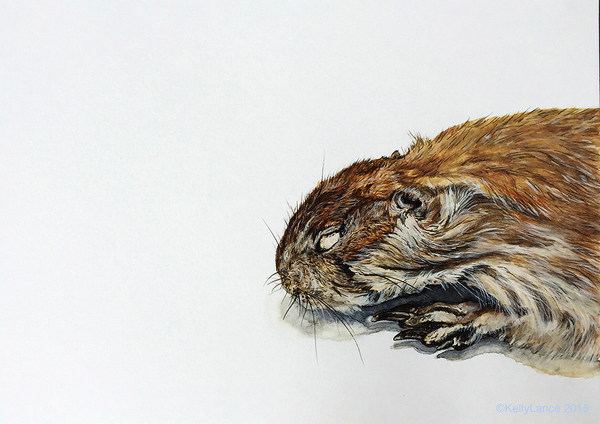
This is what inspired science illustrator Kelly Lance to head back to the collections at her local natural history museum, the Denver Museum of Nature and Science. Her career had drawn her away from her passion - illustrating the natural world. So she started Sketch on Sunday. Here is a taste:

Male Western Meadowlark, Sturnella neglecta, in ventral view with eggs. Drawn from the collections at the Denver Museum of Nature and Science. © Kelly Lance
On supporting science journalism
If you're enjoying this article, consider supporting our award-winning journalism by subscribing. By purchasing a subscription you are helping to ensure the future of impactful stories about the discoveries and ideas shaping our world today.
Kelly Lance portfolio | blog | Twitter
Every September we here at Symbiartic take the opportunity to dish up a daily dose of sciart featuring all the incredible artists we haven’t been able to get to during the year. Curious to see the inspiring artists we’ve featured in the September SciArt Blitz over the years? Check out previous years’ galleries:2014 | 2013 | 2012