
This article was published in Scientific American’s former blog network and reflects the views of the author, not necessarily those of Scientific American
On supporting science journalism
If you're enjoying this article, consider supporting our award-winning journalism by subscribing. By purchasing a subscription you are helping to ensure the future of impactful stories about the discoveries and ideas shaping our world today.
When I was in college (back in the early 1990's), I learned that the bulk of the US food supply was provided by roughly 3-5% of this nation's population. At the time, that 3-5% were mostly family-run farms and ranches that toiled the land, raised livestock, and took the personal financial risks to feed the rest of us, plus some of the world. There I was 17 years old, away from home, sitting in my very first college science class and the world changed in a moment. I was born and raised in the big city (Memphis, Tennessee, the largest city in state) and here I was in my Animal Science 101 classroom with 25 other students, most of which were from nearby rural communities. In that single moment I was awakened with a reality that ws unknown to me...My entire way of life was purchased by some other family's hard work adn sacrifice. I came to understand - really understand - how dependent my urban way of life was on rural communities. Until that moment, I had never considered where my food came from, what effort and energy and planning and luck it took to bring it to life, to harvest, to the market, to my plate.
For some reasons, agriculture is so mysterious to so many people --particularly to urbanites. It is a veiled industry and as a result most of us are disconnected from agriculture. That's a problem in my book. Even more of a problem as our population continues to grow. Some experts project that 70% of the population will live in cities by the year 2050! Who will feed us? How will they feed us?
Personally, I think it's a shame that agriculture outreach and education to urban communities is so limited. First, why is secondary agriculture education restricted to rural area schools.? I got a crash course in agriculture - the science and the culture - in college. I struggled quite a bit. I amused my classmates with my questions related to reproductive anatomy of farm animals, figuring out what exactly was silage and what a silo is, not to mention complex problems related to commodities and agriculture economics. I had no idea what was going on; however, most of my classmates did. That is because most of them had taken high school classes called Agriculture Education, Agriculture Economics, Agronomy, Animal Science and had participated in academic competitive clubs such as FFA adn 4-H. And those were the kids who weren't raised on family farms.
Second, why are State Fairs still stuck in a time warp? It's like 1950. Forever! With the growing popularity of Farmer's Markets in most major cities and the emergence of urban farming and organic farming, the Fair organizers would be wise to update programing format to include these modern agriculture experiences. It may also draw new audiences to fairs since these are 'formats' that are somewhat familiar to many urbanites.
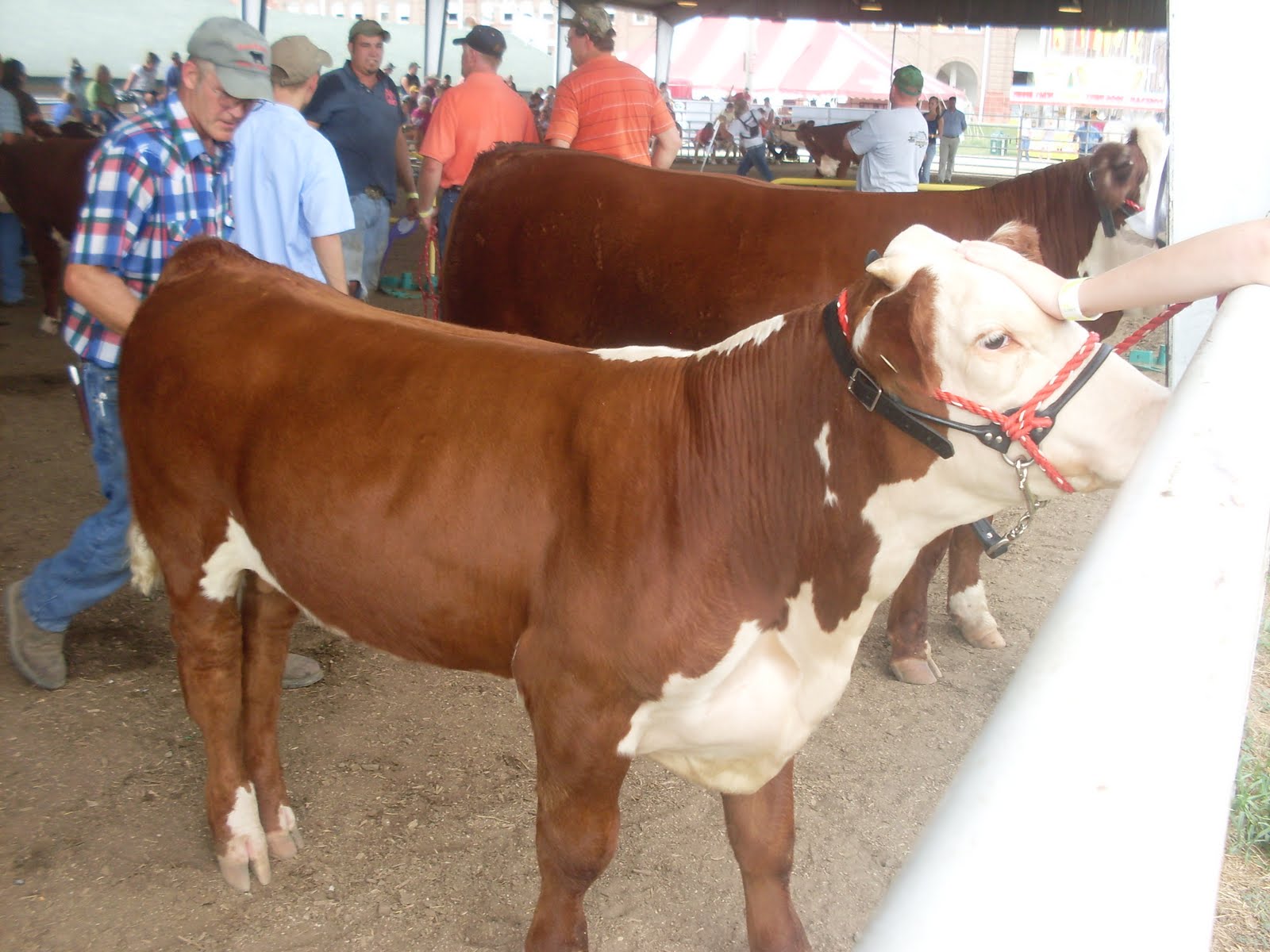
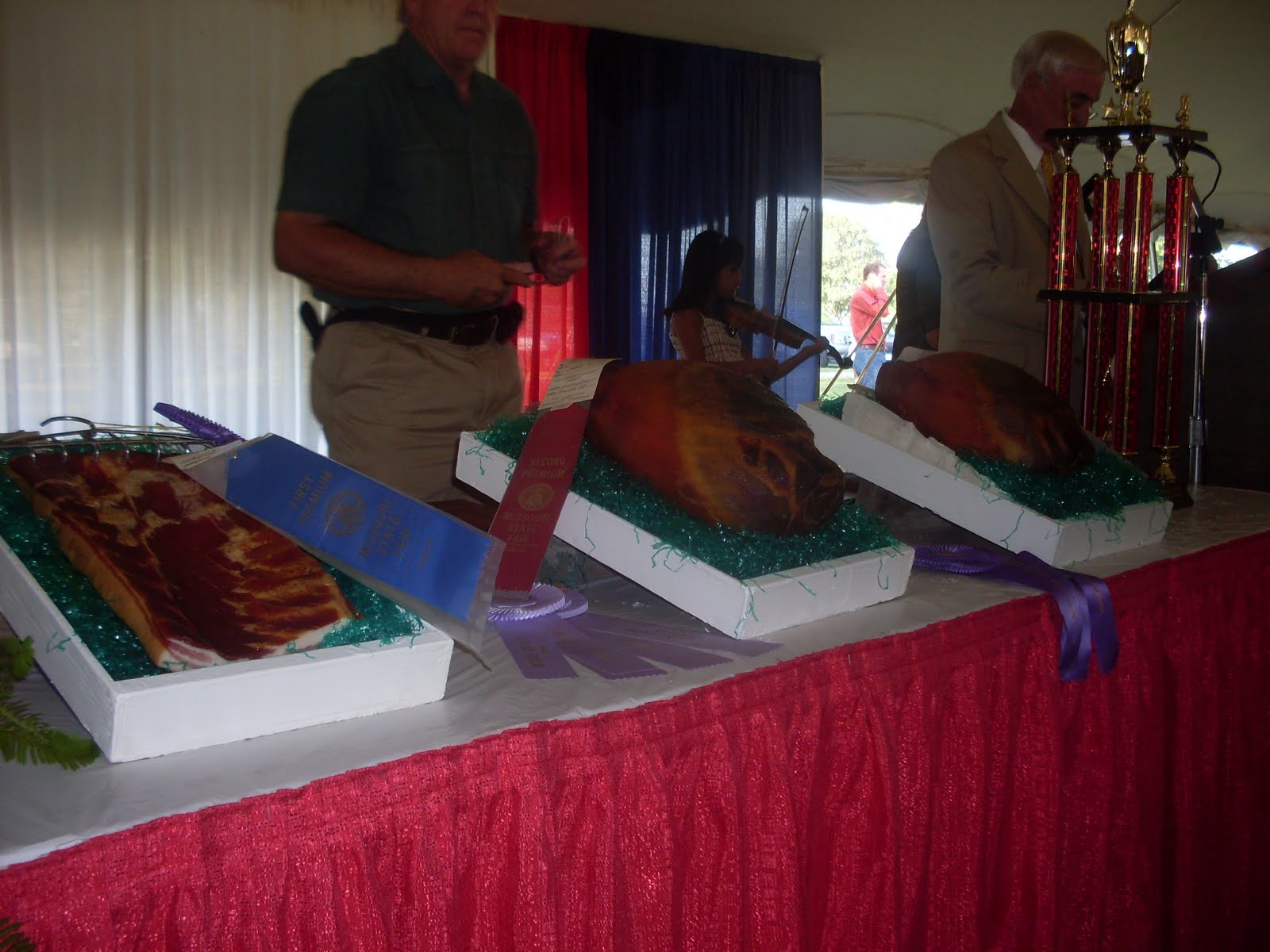
Our nation is already experiencing some of the ills of this urban-rural disconnect. Food insecurity among our nation's poorest (with highest density of these populations in urban areas) and the prevalence of urban food deserts are contributing to our unhealthy bodies. Perhaps some fundamental education would be just what we need to get things back in balance.